Advanced Fleet Tracking Systems
Fleet tracking involves using GPS technology to monitor the locations and movements of vehicles in real time. This system is essential for businesses seeking to enhance operational efficiency, improve fleet management, and increase asset security. Through the integration of telematics, businesses can gain valuable insights into vehicle performance, driver behaviour, and routing, which can aid in making informed decisions. Fleet tracking solutions can lead to reduced operational costs through better fuel management and maintenance scheduling, while simultaneously ensuring compliance with regulations and safety standards. Companies providing fleet tracking services focus on flexible and scalable solutions to cater to various business sizes and industry needs.
Expert Fleet Tracking Capabilities
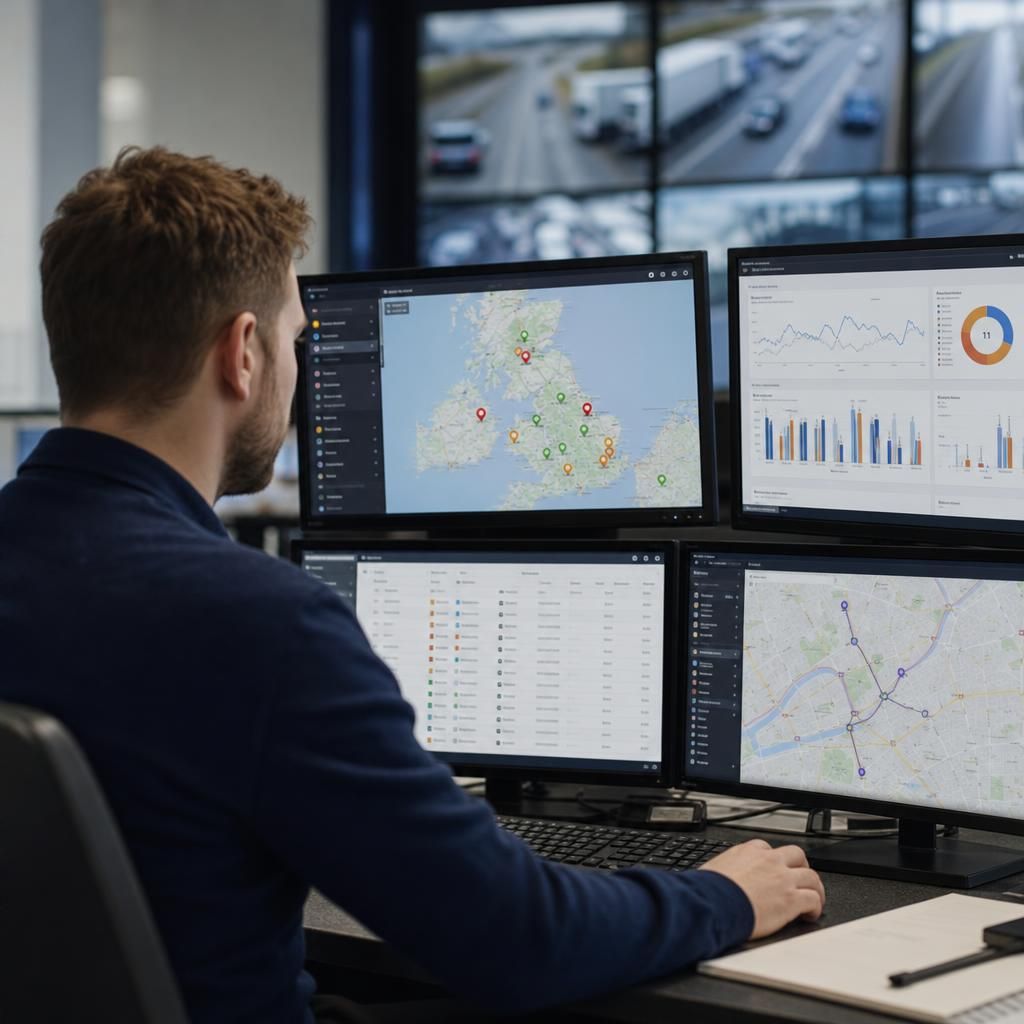
Real-Time Fleet Monitoring
Real-time fleet monitoring gives businesses the capability to track vehicle locations instantaneously. This ensures that fleet managers have up-to-the-minute updates on the whereabouts of their vehicles, leading to improved decision-making and enhanced operational efficiency.

Advanced Geofencing Solutions
Geofencing is a powerful tool in fleet tracking, allowing businesses to designate virtual boundaries. Alerts can be triggered if vehicles enter or exit these predefined areas, providing added security and ensuring compliance with routing protocols.
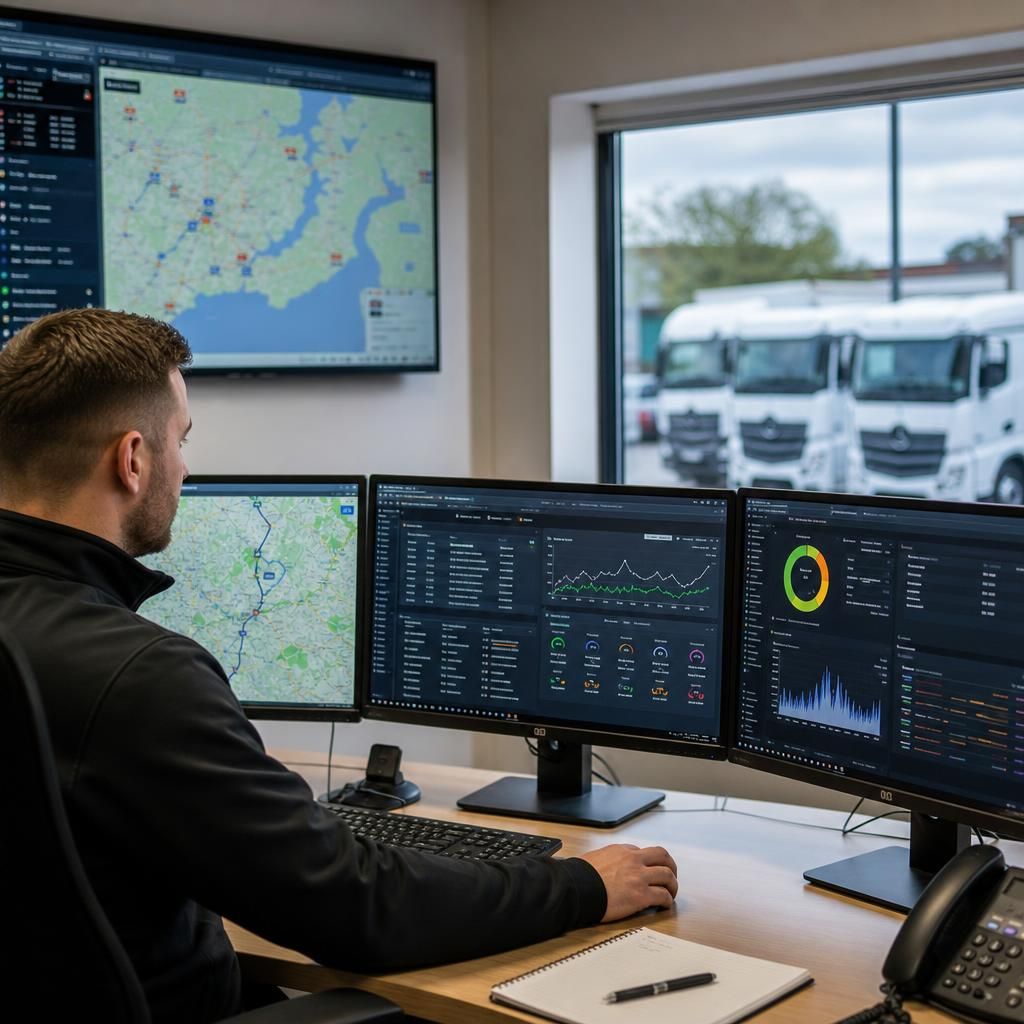
Driver Behaviour Analysis
Analytics on driver behaviour can greatly impact fleet safety and efficiency. Monitoring metrics such as speed, acceleration, and braking patterns helps identify risky driving behaviours, allowing for targeted training and policy development to enhance overall safety.
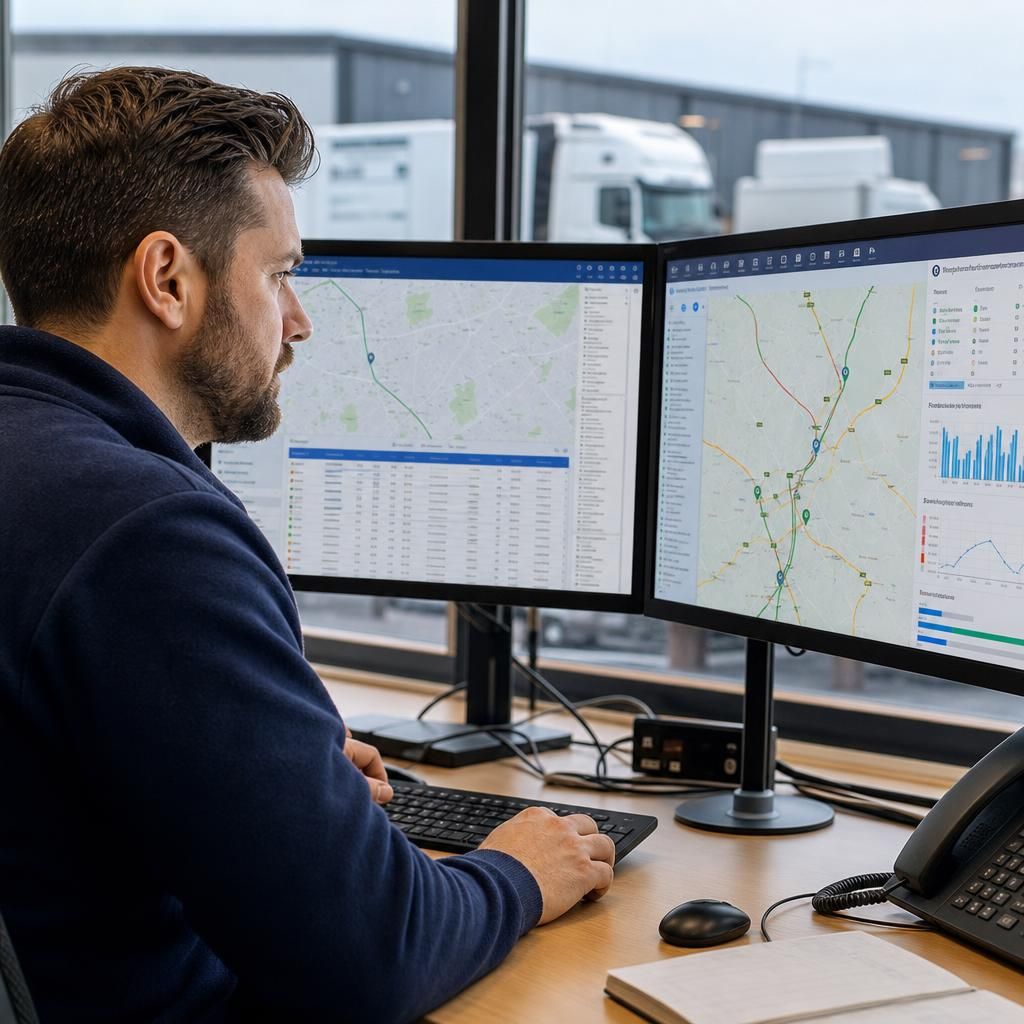
Fuel Efficiency Tracking
Tracking fuel consumption is an essential component of fleet management. Telematics systems provide valuable insights into fuel usage patterns, enabling cost-effective strategies to reduce waste and improve fuel economy.
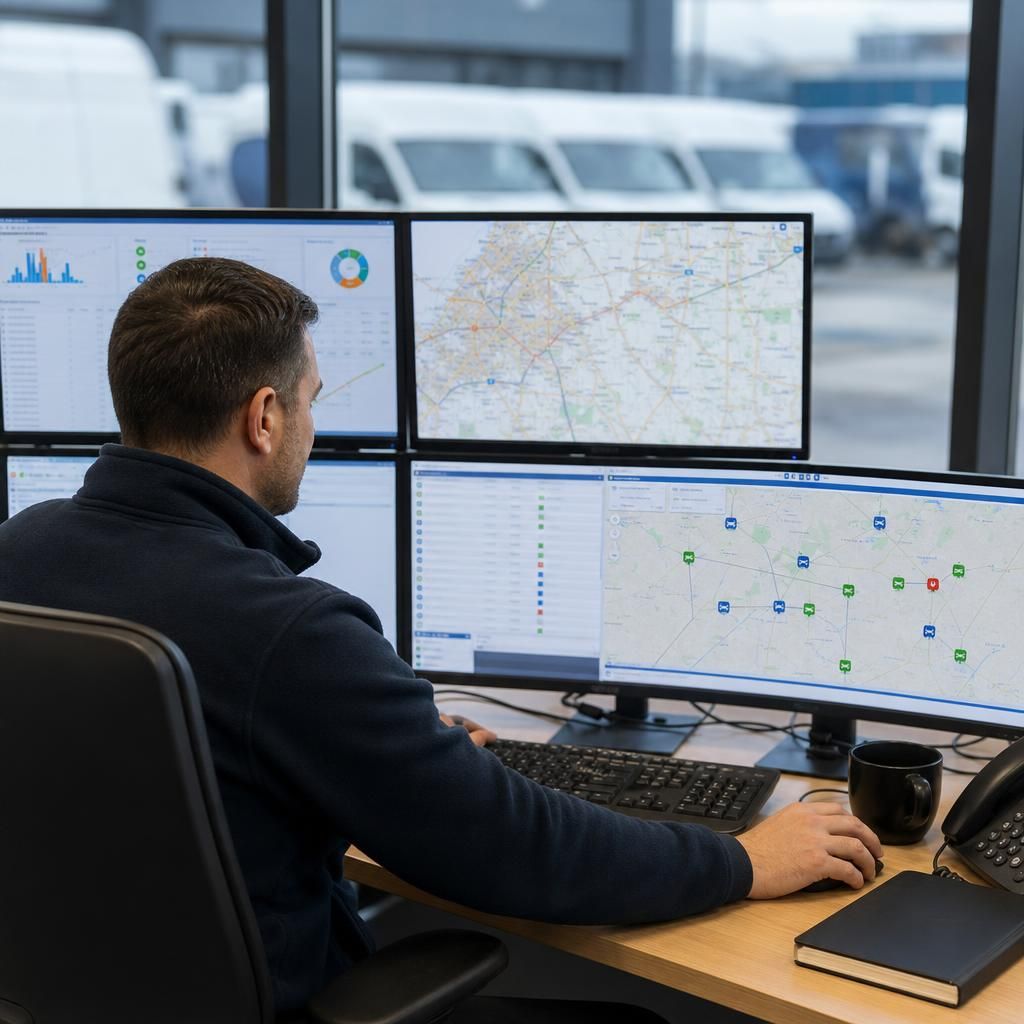
Predictive Vehicle Maintenance
Predictive maintenance leverages data from telematics to foresee potential vehicle issues before they occur. This proactive approach reduces unexpected downtime and extends the lifespan of fleet vehicles by ensuring timely maintenance actions.
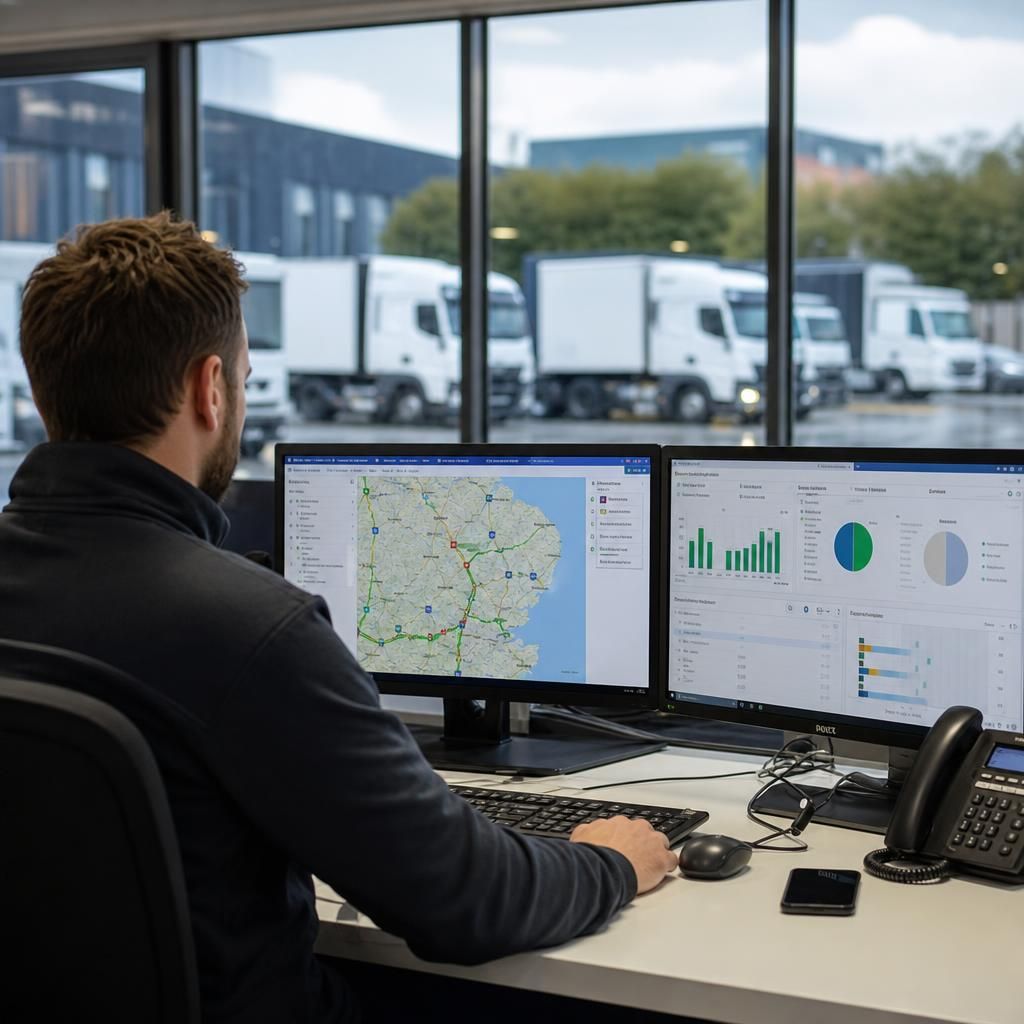
Asset Tracking Solutions
In addition to vehicle tracking, advanced GPS systems can also monitor important assets. Businesses can keep track of high-value items, ensuring their safety and streamlining inventory management through efficient asset tracking.
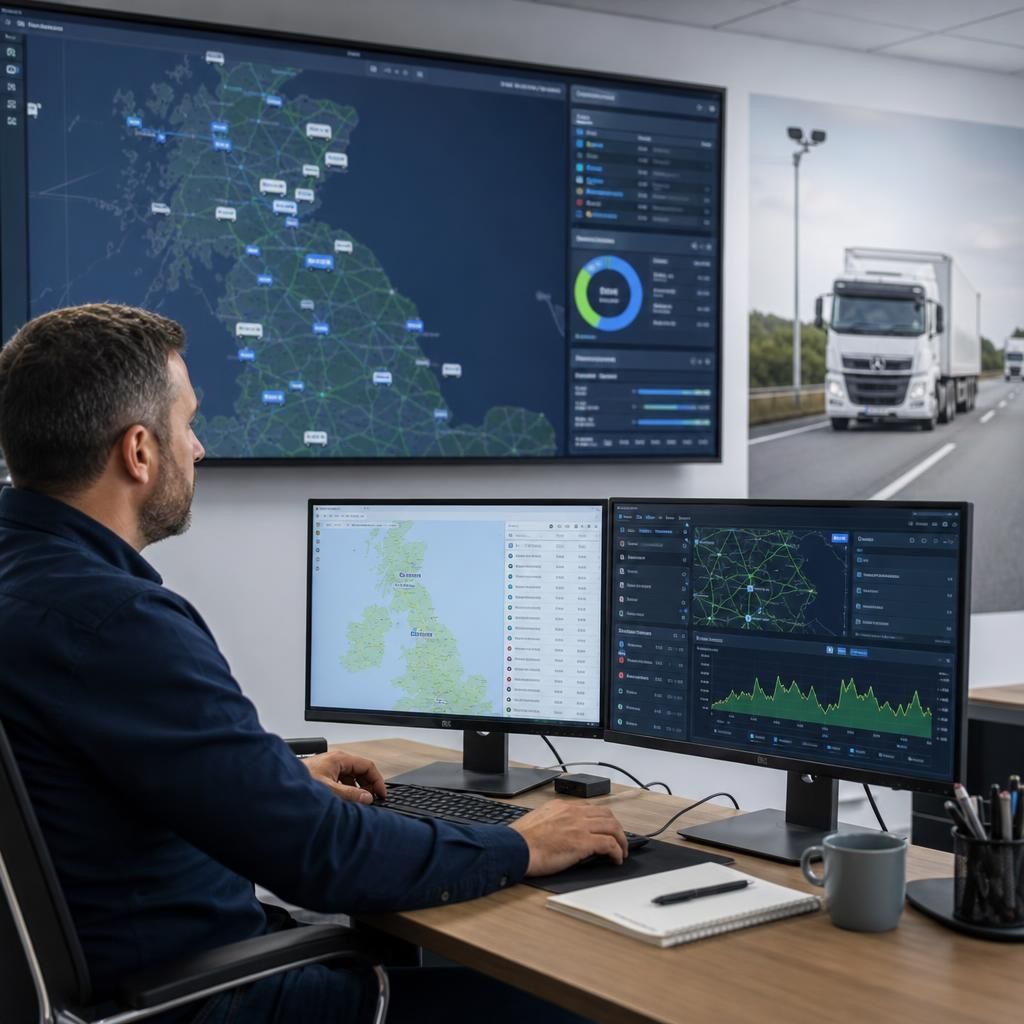
Integration with ERP Systems
Seamlessly integrating fleet tracking data with existing ERP systems enhances data accuracy and improves workflow efficiency. It provides a comprehensive overview of operations, aiding in strategic planning and resource management.
In-Depth GPS Tracking Solutions
Fleet tracking systems utilise advanced GPS technology to provide businesses with real-time data regarding the position and movement of their entire fleet. Beyond mere location tracking, these systems are integral in assessing vehicle performance, monitoring driver behaviour, and optimising routes. By integrating telematics, businesses can acquire significant insights into how their fleet operates, enabling them to make data-driven decisions that enhance efficiency and security. This technology is particularly beneficial for industries seeking to manage large fleets effectively, ensuring that assets are not only tracked but utilised optimally.
While fleet tracking systems are invaluable for managing logistics and transport operations, they also extend benefits to other sectors requiring asset security and compliance management. The systems support improved fuel management and maintenance scheduling, reducing operational costs and increasing fleet uptime. Moreover, the data collected assists managers in complying with regulatory requirements and maintaining safety standards. These solutions are often scalable, catering to small businesses with a few vehicles or large enterprises managing expansive fleets, making them adaptable to any operational context.
Real-Time Location Monitoring
Real-time location monitoring provides unparalleled visibility into fleet operations. It allows businesses to track vehicle positions live, offering benefits in route optimisation and driver safety.
Benefits of Real-Time Tracking
Real-time tracking enhances situational awareness, allowing for immediate response to deviations from planned routes. This capability supports improved delivery times and reduced operational costs through proactive management.
Telematics for Fleet Management
Telematics combines telecommunications and informatics to efficiently manage fleet operations. This technology gathers data on vehicle usage, maintenance needs, and driver behaviour.
Understanding Telematics Data
Telematics data provides insights into fuel consumption patterns, maintenance schedules, and driver behaviour analytics. This data-driven approach helps in reducing operational expenses and increasing fleet longevity.
Enhancing Asset Security
Asset security is critical for businesses with valuable mobile resources. Advanced GPS systems can deter theft and assist in the swift recovery of stolen assets.
Implementing Security Measures
GPS tracking solutions enhance asset security through geofencing and vehicle immobilisation features. Businesses can receive alerts for unauthorised movements and take immediate corrective actions.
Scalability of GPS Solutions
The scalability of GPS tracking solutions allows businesses to tailor their systems to their current size while ensuring they can expand as needed.
Adapting GPS Systems to Business Growth
Scalable GPS systems support various fleet sizes, from small businesses to large enterprises. This adaptability ensures that businesses can align their tracking solutions with their growth trajectory effectively.
Optimising Operational Efficiency
Operational efficiency is crucial for maintaining competitive advantage. GPS tracking systems play a vital role in optimising routes, schedules, and resource allocation.
Strategies for Efficiency Improvement
Using GPS data, businesses can analyse travel patterns and identify inefficiencies. Optimising routes and schedules can lead to significant savings in time and fuel, enhancing overall productivity.
Driver Behaviour Monitoring
Monitoring driver behaviour is a key aspect of fleet management that impacts safety and efficiency. Telematics systems provide insights into driving patterns.
Improving Driver Performance
Telematics can identify instances of harsh braking, rapid acceleration, or excessive idling. Addressing these behaviours through training programs can enhance safety, reduce wear and tear, and improve fuel efficiency.
Why Choose ACES GPS?
ACES GPS Fleet Tracking solutions offer real-time location monitoring through advanced GPS and telematics systems, enabling businesses to make informed operational decisions. These technologies enhance fleet management, ensuring optimal vehicle utilisation and proactive maintenance scheduling, which in turn reduces costs and increases asset security.
ACES GPS stands out by providing bespoke, scalable solutions that cater to varying business sizes and evolving industry requirements. This approach ensures that clients benefit from a fleet tracking system precisely tailored to their specific operational needs, with a focus on enhancing efficiency and maintaining compliance with industry standards.
Robust Security
Our GPS systems incorporate industry-leading security protocols to ensure the safety and integrity of your fleet data at all times.
Real-Time Monitoring
Experience the advantage of real-time location updates and tracking, helping you manage your fleet with unparalleled precision.
Innovative Technology
Utilizing cutting-edge telematics technology, we offer solutions that enhance operational efficiency across your entire fleet.
Scalable Solutions
Our GPS tracking systems are designed to grow with your business, providing scalable options that meet evolving needs.
Data Privacy
We prioritise data privacy, ensuring that all client information and tracking details are securely managed and protected.
Comprehensive History
Access to detailed tracking history empowers you to make informed decisions and improve fleet performance over time.
High Reliability
Our systems guarantee a high level of accuracy and performance, offering reliable tracking solutions for businesses of all sizes.
B2B Focused
Specialising in B2B solutions, we cater specifically to the complex needs of businesses managing diverse and dynamic vehicle fleets.
Key Benefits of Fleet Tracking Systems
Fleet tracking systems enable businesses to monitor and manage their fleets effectively through GPS and telematics technology. These systems provide real-time data on vehicle locations, performance, and driver behaviour, facilitating improved route planning, operational efficiency, and asset security management.
Real-Time Tracking
Real-time tracking refers to the ability to monitor vehicle and asset locations instantaneously. This technology uses GPS satellites and cellular networks to provide exact positioning data, which helps businesses manage their fleets more effectively.
Customisable Reports
Customisable reports within fleet tracking systems allow businesses to generate tailored data on vehicle performance, route efficiency, and driver behaviour, helping to make informed decisions and improve operating procedures.
Enhanced Security Features
Fleet tracking enhances security by offering geofencing, alert notifications, and immobilisation features, helping businesses guard against unauthorised use and theft.
Operational Efficiency
By using telematics data, businesses can streamline route planning, reduce fuel consumption, and optimise scheduling, which leads to significant cost savings and improved efficiency.
Driver Performance Management
Fleet tracking systems can monitor driver behaviour, including speed, braking, and idling patterns, enabling companies to implement training programmes that promote safer, more efficient driving practices.
Maintenance Scheduling
Automated maintenance scheduling ensures vehicles and equipment receive timely inspections and servicing, reducing downtime and extending asset lifespans.
Data Security and Privacy
With stringent data privacy measures, fleet tracking systems protect sensitive information from breaches, ensuring compliance with regulatory standards and reassuring clients about their data's security.
Proven Results
Advanced fleet tracking systems can reduce fuel costs by up to 30% through optimised routing and improved driver behaviour analysis.
Advantages of Advanced Fleet Tracking
Fleet tracking systems utilise GPS and telematics technology to provide businesses with comprehensive data about the locations and movements of their vehicles in real time. These systems are designed to improve operational efficiency by offering insights into vehicle performance and driver behaviour. By analysing this data, businesses can optimise route planning, manage logistics effectively, and ensure enhanced asset security. Fleet tracking not only supports navigation and general fleet management but also enables adherence to compliance and safety standards, critical for various industries handling large-scale operations.
Effective fleet tracking can lead to significant improvements in fuel management and maintenance scheduling. By monitoring vehicle usage, businesses can proactively manage fuel consumption and schedule maintenance based on actual vehicle performance and conditions, rather than arbitrary timeframes. This approach reduces operational costs and increases fleet uptime, resulting in a more cost-effective operation. Additionally, by maintaining well-monitored maintenance schedules, companies can minimise the risk of unexpected breakdowns, thereby enhancing fleet reliability.
Scalability is a key feature of modern fleet tracking solutions, allowing them to cater to diverse organisational sizes and needs. Whether managing a small number of vehicles or a large fleet, businesses can implement tracking systems that scale with their requirements. This flexibility ensures that operations are not only streamlined but also adaptable to changing business demands. Overall, advanced fleet tracking equips businesses with the tools necessary to maintain full command over their assets, improve logistical efficiency, and ensure that they remain competitive in their respective industries.
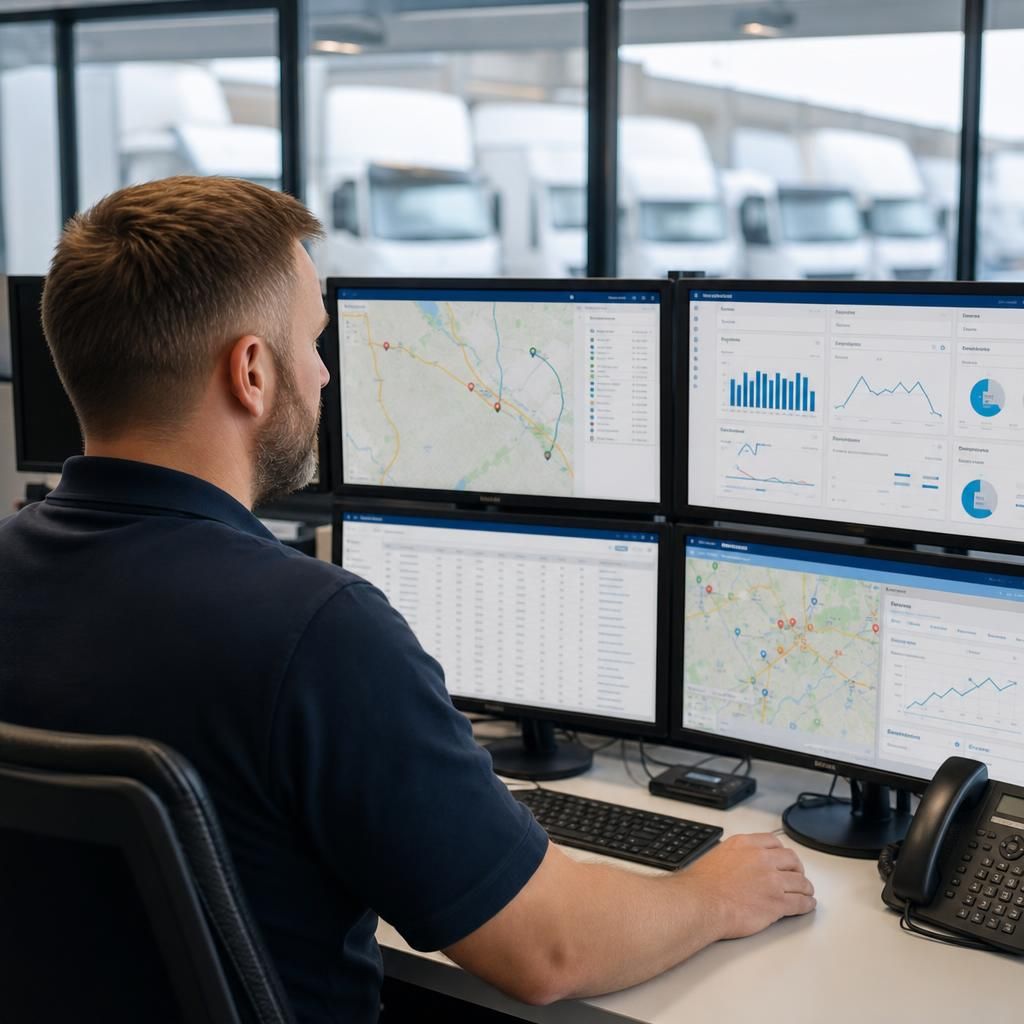
Comprehensive Fleet Insights with GPS Technology
Fleet tracking systems are an advanced method of using GPS technology and telematics to monitor vehicle locations and movements in real time. These systems are pivotal for businesses aiming to enhance their fleet management, as they provide vital data on vehicle performance and driver behaviour. By gaining real-time insights, companies can improve their operational efficiency, reduce fuel consumption, and ensure timely maintenance, leading to cost reductions and increased fleet uptime.
The integration of telematics within fleet tracking systems allows for comprehensive data collection and analysis. This approach facilitates proactive decision-making regarding route optimisation and asset utilisation. It enables companies to maintain compliance with safety regulations and operational standards while adapting to varying business contexts. By leveraging such technologies, businesses can better manage logistics operations, ensuring both improved productivity and asset security.
Scalability is a significant advantage of contemporary fleet tracking solutions. These systems can easily be tailored to suit the specific needs of both small-scale operations and large enterprises, allowing businesses to implement solutions that align with their growth and operational demands. Consequently, organisations can achieve enhanced fleet management and maintain competitive advantage, adapting dynamically to industry requirements and operational changes.
Frequently Asked Questions About Fleet Tracking
What are the benefits of using GPS fleet tracking systems?
Fleet tracking systems provide real-time GPS data to monitor vehicle locations, optimise routes, and enhance operational efficiency. Critical for fleet management, they help reduce fuel costs and improve security by preventing theft.
How does GPS fleet tracking enhance operational efficiency in logistics management?
GPS fleet tracking enhances logistics efficiency by providing real-time data on vehicle locations, helping to streamline routes, minimise delays, and manage resources effectively, ensuring smoother operations and improved customer satisfaction.
What role does telematics play in fleet management and tracking?
Telematics integrates telecommunications and informatics to provide real-time data about vehicle location, speed, and behaviour, enhancing fleet management by improving safety, reducing operational costs, and optimising vehicle performance.
How do GPS fleet tracking systems improve vehicle security?
GPS fleet tracking systems enhance vehicle security by offering real-time monitoring, deterring theft, and enabling rapid recovery. Advanced alerts and geofencing provide additional protection by notifying managers of unauthorised movements.
What features should businesses look for in GPS fleet tracking software?
Businesses should seek GPS fleet tracking software with real-time tracking, route optimisation, vehicle diagnostics, and automated reporting. Features like geofencing and driver behaviour monitoring also enhance security and operational efficiency.
Common Questions About Fleet Tracking Solutions
What are the key benefits of implementing a GPS fleet tracking system for businesses?
Fleet tracking utilises GPS technology to monitor vehicle locations in real-time, enhancing route efficiency and asset security. It provides insights on fleet utilisation, helping businesses optimise operations and reduce costs efficiently.
What should businesses consider when choosing a GPS fleet tracking solution?
Evaluate integration capabilities, real-time data accuracy, user interface simplicity, and customisable alerts. Prioritise scalability to match business growth and ensure robust security measures are in place to protect sensitive data.
What are the potential challenges when implementing a GPS fleet tracking solution, and how can they be mitigated?
Challenges in GPS fleet tracking implementation include high initial costs, data privacy concerns, and employee resistance. Mitigation involves budget planning, robust data security protocols, and comprehensive training programs to ensure smooth adoption.
Why is data security crucial in GPS fleet tracking systems, and how can businesses ensure it?
Data security is crucial to protect sensitive location and operational data from breaches. Businesses can ensure it by implementing encryption, robust access controls, and regular security audits to safeguard information.
How does GPS fleet tracking improve regulatory compliance and reporting for businesses?
GPS fleet tracking enhances regulatory compliance by automatically recording vehicle data, ensuring accurate logs for audits. It simplifies reporting with real-time updates, reducing manual errors and improving transparency.