Advanced GPS Tracking Solutions
Advanced GPS Tracking Solutions provide comprehensive tools for B2B clients seeking enhanced control over fleet management and asset security. Utilising sophisticated telematics technology, our systems enable real-time monitoring of vehicles and assets, improving operational efficiency and safety.
Showcasing GPS Tracking Expertise

Understanding GPS Technology
GPS technology is the backbone of modern tracking systems. It works by using signals from satellites orbiting the Earth to determine the precise location of a receiver on the ground. This technology is widely used for navigation, fleet management, and personal tracking applications.
Real-time Tracking Capabilities
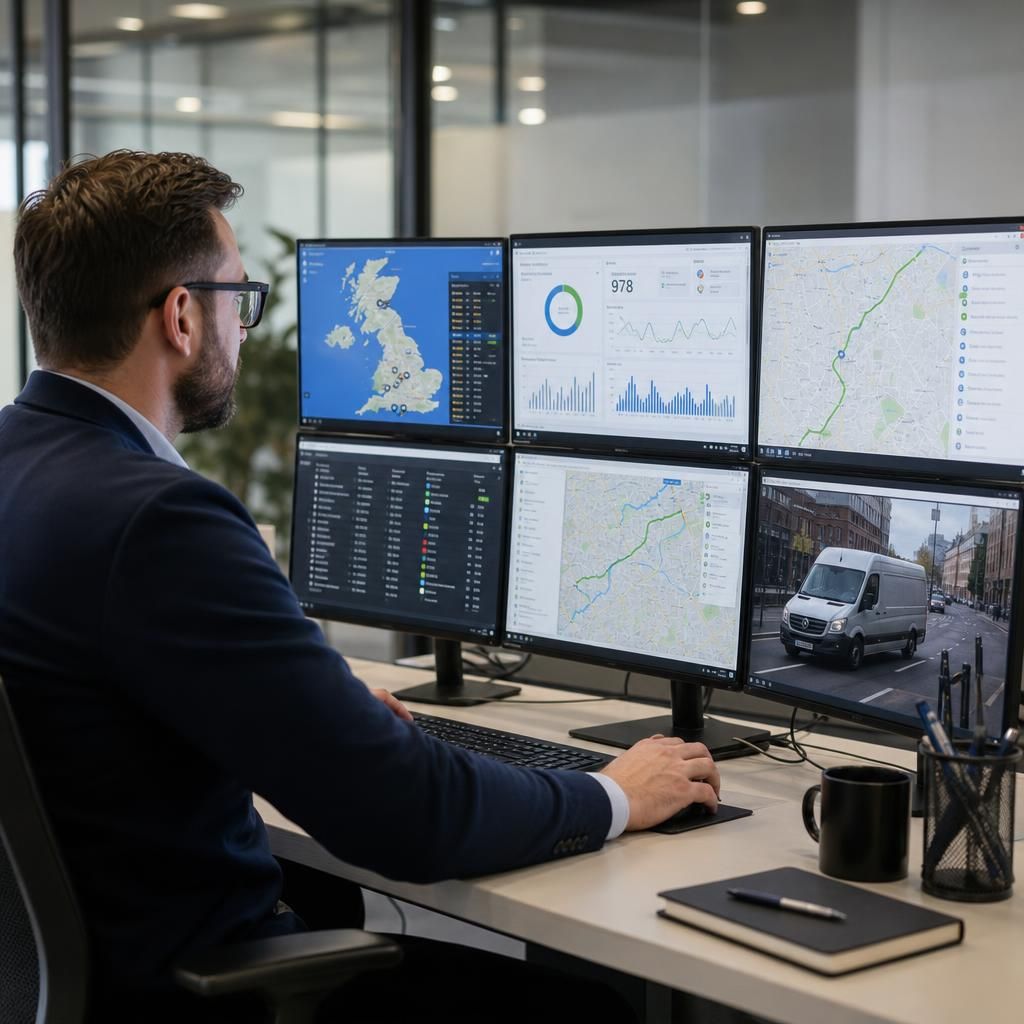
Real-time tracking enables businesses to monitor their fleet and assets instantly. By receiving live updates on the location and status of vehicles, companies can improve operational efficiency and make informed decisions on routing and fleet utilisation.
Enhanced Asset Security
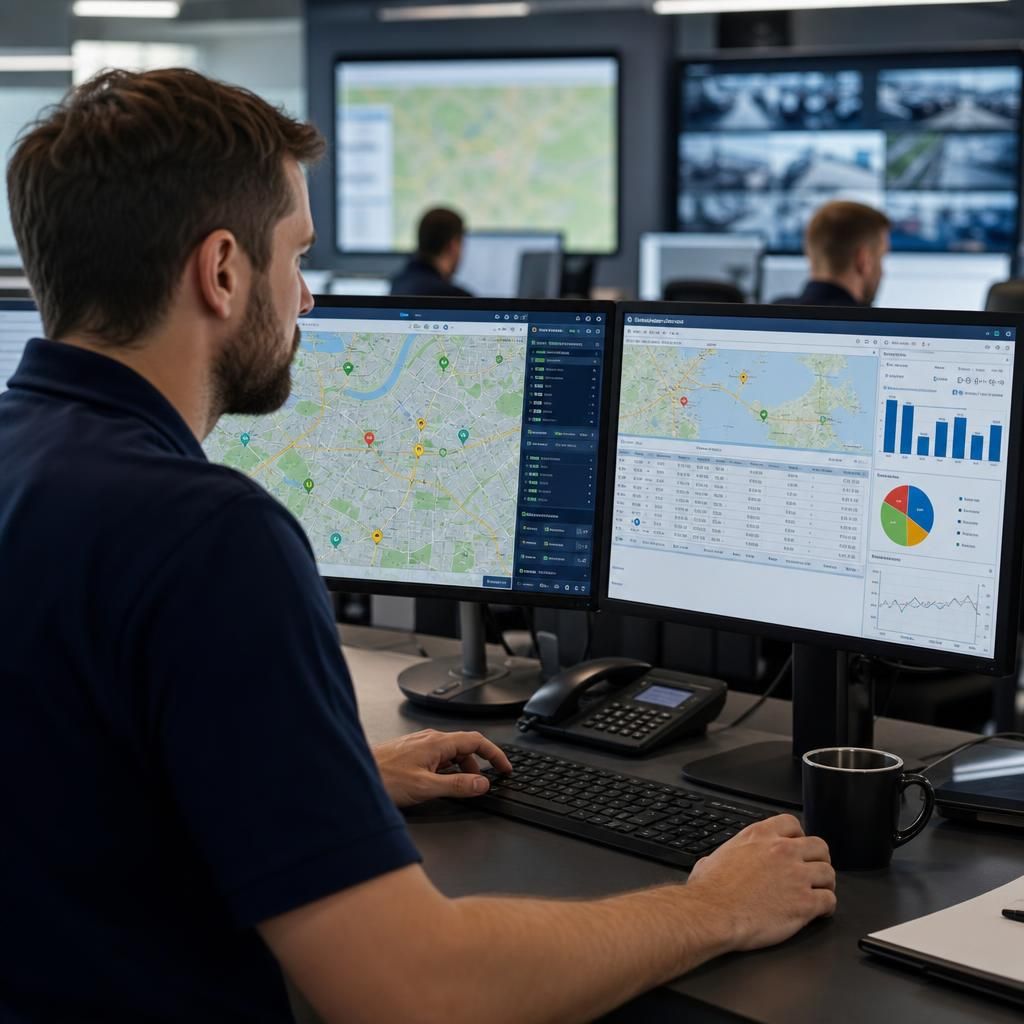
Advanced GPS tracking solutions provide enhanced security features for valuable assets. Alerts can be set up to notify managers of any unauthorised movement or unusual activity, thereby offering an additional layer of protection against theft and misuse.
Leveraging Telematics Data
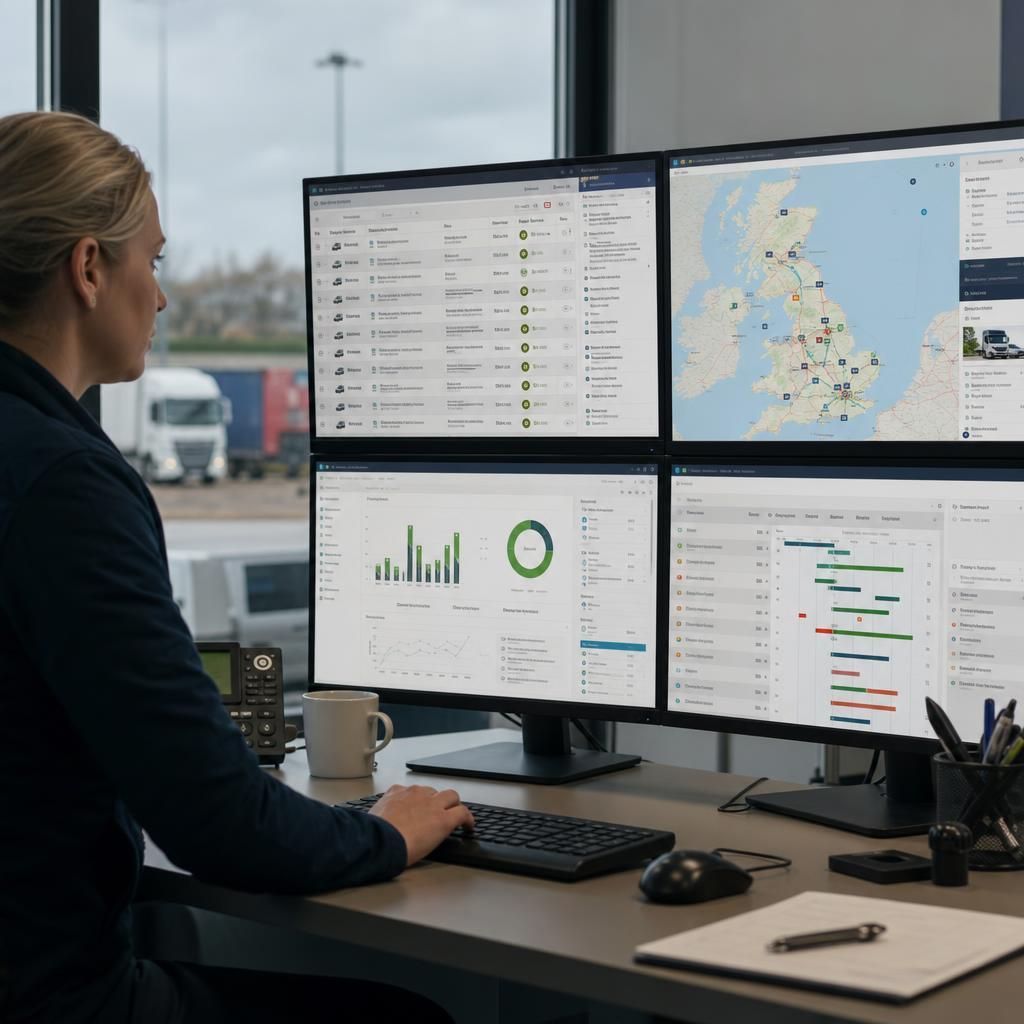
Telematics technology integrates GPS tracking with vehicle diagnostics to provide comprehensive insights into vehicle performance and driver behaviour. This data allows businesses to optimise their fleet operations, reduce maintenance costs, and improve safety.
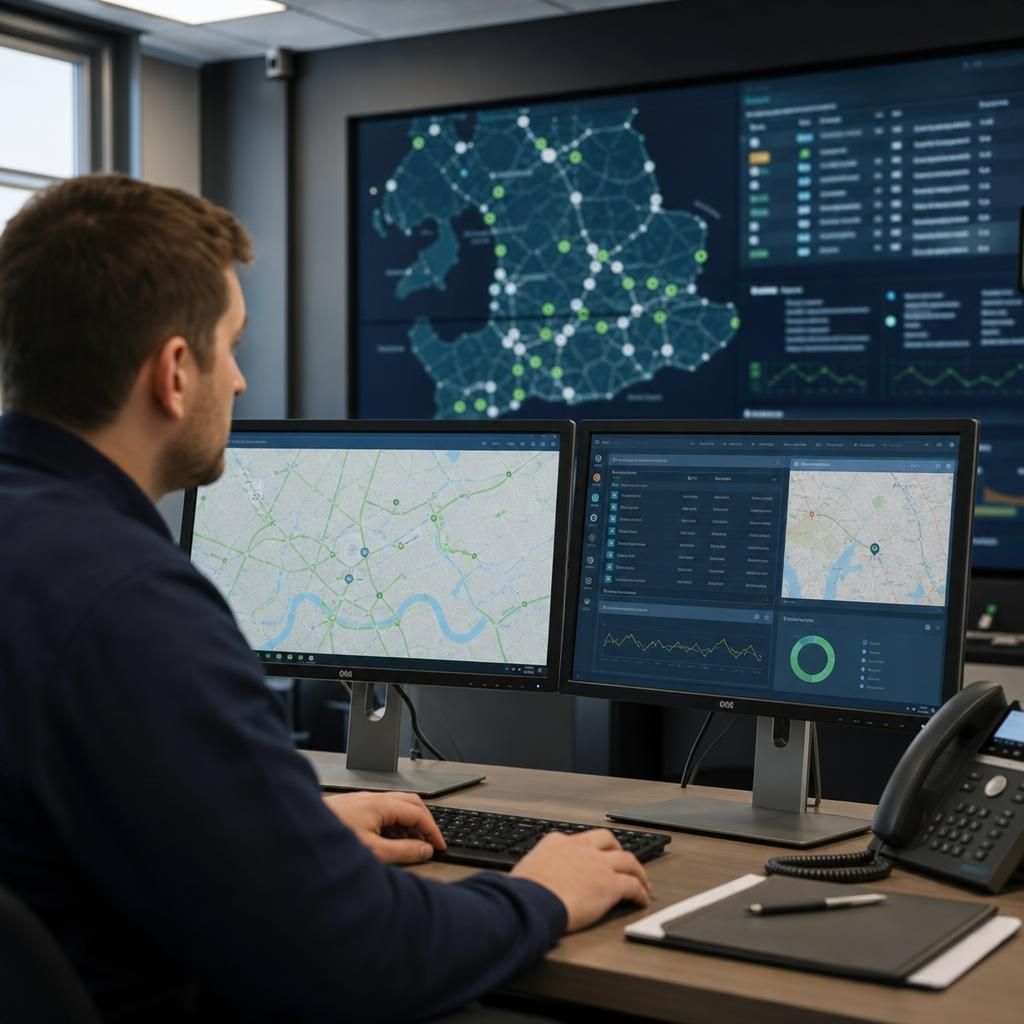
Scalable Solutions for Various Industries
GPS tracking solutions are versatile and can be scaled to suit the needs of businesses across different sectors. Whether managing a small fleet of delivery vehicles or a large logistics operation, these systems can be customised to integrate seamlessly with existing business processes.
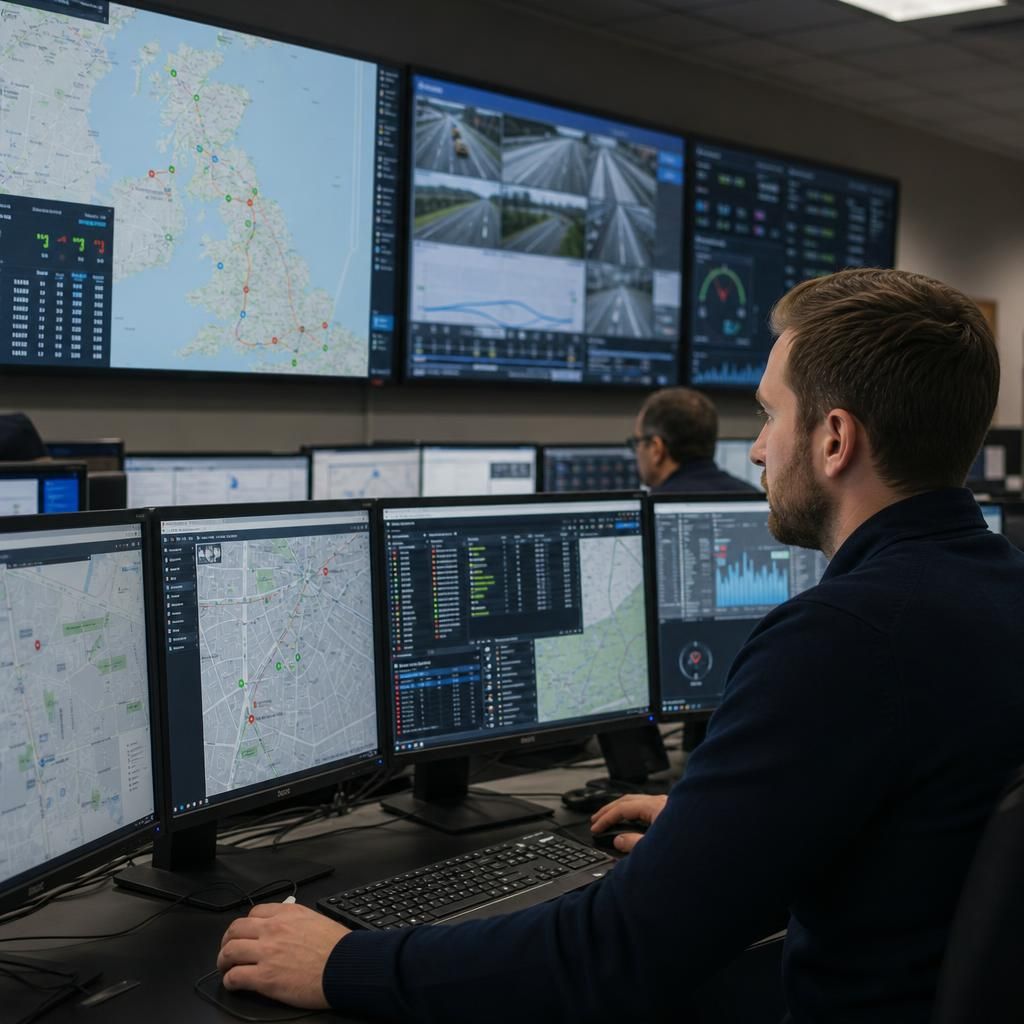
Improving Operational Efficiency
Implementing GPS tracking systems enables companies to streamline operations by providing precise location data and analytics. This can lead to reduced fuel consumption, optimised routes, and enhanced overall performance of the fleet.
Exploring Key Features of GPS Tracking Solutions
GPS tracking solutions are a sophisticated technology that leverages satellite networks to deliver real-time data regarding the geographical location of vehicles and other mobile assets. These systems are instrumental for businesses in managing logistics, as they provide precise location information, which helps in route optimisation and monitoring vehicle usage. Besides fleet management, these systems are widely utilised for securing valuable equipment and ensuring personnel safety. By integrating with telecommunications technology, GPS tracking not only offers location data but can also incorporate driver behaviour analysis, contributing to enhanced operational oversight and security.
The choice of a GPS tracking system often depends on the specific needs of a business. Considerations include the type of assets being monitored, the scale of operations, and particular features like real-time alerts and detailed reporting capabilities. Additionally, the overall cost of the system—including hardware, software, and subscription fees—should be evaluated against the benefits of improved efficiency and security. Businesses looking to implement these systems should also consider scalability and customizability to ensure long-term value. Furthermore, ease of use and seamless integration with existing business systems and processes can greatly influence the effectiveness and adoption of GPS tracking solutions.
Real-Time GPS Tracking
Real-time GPS tracking provides an accurate, live view of the location and status of vehicles and assets.
Understanding Real-Time Tracking
Real-time GPS tracking involves using satellites and tracking devices to deliver constant, up-to-the-minute updates about the location and movement of vehicles. This technology is crucial for businesses that need to monitor their fleet efficiently, ensuring timely deliveries and improving overall operational management.
Geofencing Capabilities
Geofencing allows for the creation of virtual geographic boundaries that trigger responses when entered or exited.
How Geofencing Works
Geofencinguses GPS or RFID technology to set up virtual boundaries around specific locations. When a tracked asset or vehicle crosses these boundaries, the system can automatically trigger alerts or actions, such as notifying managers of unauthorised movements or logging time of entry and exit for compliance purposes.
Benefits of Telematics
Telematics systems combine telecommunications and informatics, offering enhanced management of vehicle fleets.
Exploring Telematics Advantages
Telematics provides detailed insights into vehicle operations by collecting data on speed, idle time, fuel consumption, and more. This enables businesses to optimise routes, reduce fuel costs, improve driver behaviour, and enhance overall fleet productivity.
Asset Tracking Solutions
Asset tracking uses GPS technology to monitor the location and status of valuable assets beyond vehicles.
Implementing Asset Tracking
Asset tracking systems are designed to protect and monitor non-vehicular items such as containers, equipment, and other valuable goods. By using GPS tracking devices, companies can ensure these assets remain secure, streamline their inventory processes, and reduce losses due to theft or misplacement.
Data Security in GPS Tracking
Ensuring the privacy and security of tracking data is a vital concern in GPS tracking solutions.
Securing Tracking Data
Data security measures in GPS tracking systems involve encryption, secure data transmission protocols, and authorisation controls. Protecting sensitive information related to the locations and movements of assets helps prevent potential breaches that could compromise business operations.
Pioneering Telematics Technology
ACES GPS stands out in the industry by providing tailored GPS tracking solutions that harness advanced telematics technology. Our systems are designed for seamless integration into business operations, offering real-time data and analytics critical for effective fleet management and asset security.
Differentiating our services, we focus on scalability and customisability, ensuring our solutions can adapt to various industry needs. This adaptability, combined with our commitment to technological innovation, ensures clients receive robust, future-ready tracking systems that enhance operational efficiency and security measures.
Enhanced Asset Security
ACES GPS provides cutting-edge tracking systems designed to protect mobile assets from theft or misuse.
Real-Time Monitoring
Gain instant access to fleet locations with ACES GPS's real-time tracking capabilities, ensuring optimal management and response.
Advanced Telematics
Utilise comprehensive telematics data to enhance operational efficiency and reduce downtime across your fleet.
B2B Focus
Specialising in commercial tracking solutions, ACES GPS caters exclusively to business clients, providing tailored service.
Reliable Technology
Depend on our robust and reliable systems that offer consistent performance in various operational conditions.
Scalable Solutions
Adapt our tracking solutions to fit small or large fleets, allowing your system to grow with your business needs.
UK Expertise
With deep understanding of the UK market, ACES GPS delivers solutions that are compliant and effective locally.
Key Factors in Choosing GPS Tracking Solutions
Choosing the right GPS tracking solution involves understanding key factors such as integration capabilities, scalability, and the specific needs of your business. Analyse the features offered, including real-time alerts, detailed analytics, and integration with existing systems to ensure optimal performance and return on investment.
Real-Time Location Tracking
Real-time location tracking allows businesses to monitor the precise location of their vehicles and assets at any given moment. This facilitates enhanced fleet management by providing current and accurate data, which is essential for making informed decisions quickly.
Improved Asset Security
GPS tracking systems provide an additional layer of security for valuable assets. With features like geofencing alerts and unauthorised movement notifications, businesses can react swiftly to potential security breaches, thus reducing the risk of theft or loss.
Enhanced Operational Efficiency
By utilising GPS tracking, businesses can optimise routes, reduce fuel costs, and improve delivery times. This leads to more efficient operations, contributing to better resource management and increased profitability.
Telematics for Fleet Management
Telematics technology integrates GPS data with other vehicle information such as fuel consumption, speed, and maintenance needs. This comprehensive approach enables businesses to proactively manage their fleets, ensuring vehicles are operating optimally.
Scalable Solutions
GPS tracking solutions offered by ACES GPS are scalable to accommodate businesses of various sizes. Whether managing a small local fleet or a large national operation, the tracking solutions can be tailored to meet specific business needs.
Decision-Making Support
Access to detailed tracking data aids businesses in making strategic decisions. With insights gained from analysing patterns and trends, companies can better anticipate challenges and create forward-thinking strategies for growth.
B2B Focus
Focused on B2B clients, ACES GPS understands the unique needs of commercial enterprises. Our solutions are designed specifically to support businesses in enhancing their operational control and security over mobile assets.
Proven Reliability
Our GPS tracking systems boast industry-leading uptime and accuracy, ensuring reliable performance for your fleet management and asset security needs.
Advantages of GPS Tracking Systems
GPS tracking systems are crucial tools for businesses that require precise monitoring and management of their mobile assets, such as vehicle fleets and valuable equipment. These systems utilise satellite technology to provide real-time data on the location, speed, and routes of vehicles, enhancing overall operational efficiency. Unlike traditional tracking methods, which often rely on manual input and can be prone to errors, GPS tracking offers automated data collection and analysis, enabling more accurate and timely decision-making.
One of the primary benefits of GPS tracking is its ability to improve fleet management. By monitoring vehicle locations and routes in real time, companies can optimise routes, reduce fuel consumption, and minimise travel time, ultimately leading to cost savings and improved service delivery. Additionally, these systems can assist in ensuring driver safety by analysing driving behaviour, such as speed and braking patterns, thereby enabling the implementation of driver training programs to reduce accident risks.
Moreover, GPS tracking systems are highly adaptable and can be integrated with existing business software, making them a versatile solution for varied business needs. Businesses across different industries, from logistics to construction, can tailor these systems to meet specific operational requirements, ensuring both security and efficiency. Furthermore, the scalability of GPS systems allows companies to expand their tracking capabilities as their operations grow, ensuring continued oversight and control without compromising on performance.
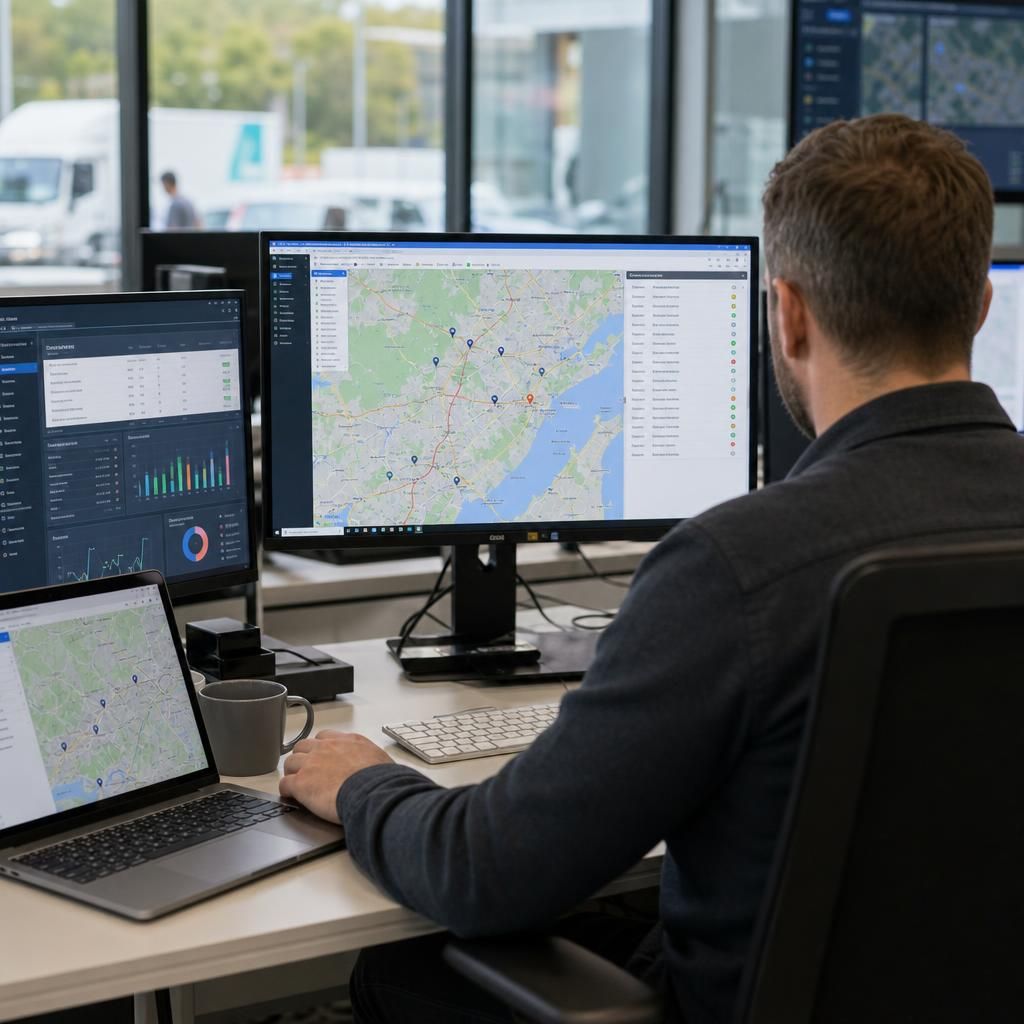
Comprehensive Visualization of GPS Tracking Benefits
GPS tracking systems utilise satellite networks to provide detailed location data, allowing businesses to monitor vehicles and assets in real-time. This technology plays a crucial role in managing logistics more efficiently, offering insights into routes, speeds, and vehicle movements that support route optimisation and enhance operational oversight. By integrating telematics data, these systems can also monitor driver behaviour, contributing to improved safety and performance.
These tracking solutions are adaptable to various business requirements, offering scalable capabilities that grow with the organisation’s needs. This adaptability makes them suitable for a wide range of industries, from transport and logistics to construction and beyond. Integration with existing business systems ensures seamless operation, enhancing both efficiency and security.
When considering GPS tracking options, businesses should evaluate factors such as ease of use, cost implications, and specific features like detailed analytics and real-time alerts. The ability to customise the tracking system to meet bespoke operational needs can prove invaluable, ensuring maximum return on investment and improved management of valuable mobile assets.
GPS Tracking Systems: Your Questions Answered
What is a GPS tracking system and how does it work?
GPS tracking systems use satellites to determine precise locations of vehicles or assets. These systems enable businesses to monitor fleet movements, enhance security, and improve operational efficiency through real-time data.
What are the benefits of GPS tracking for business fleet management?
GPS tracking enhances business fleet management by providing real-time data on vehicle locations, optimising route efficiency, reducing fuel costs, improving driver behaviour, and ensuring better asset security and operational control.
How does GPS tracking improve driver behaviour and safety?
GPS tracking improves driver behaviour and safety by providing real-time monitoring, identifying risky driving habits, and enabling targeted driver training. Advanced telematics systems track speed, acceleration, and braking patterns to enhance safety measures.
What factors should businesses consider when choosing a GPS tracking system?
Businesses should consider features like real-time tracking, user interface ease, scalability, integration with existing systems, cost, and customer support when selecting a GPS tracking system to ensure optimal functionality.
What is telematics and how does it benefit fleet management?
Telematics combines telecommunications and informatics to provide detailed insights into vehicle data, improving fleet management through enhanced route optimisation, real-time tracking, driver behaviour monitoring, and maintenance scheduling.
Enhance Fleet Efficiency Today
Our advanced GPS tracking solutions offer unparalleled insight and control over your fleet management operations. Enhance efficiency and security by investing in our reliable, scalable systems that integrate seamlessly with your business processes. Get started today and revolutionise your asset management strategy.
Common GPS Tracking Queries Answered
How do GPS tracking systems improve fleet management efficiency?
Our advanced GPS tracking systems provide real-time location monitoring for vehicles and assets, enhancing fleet management efficiency. By utilising telematics technology, businesses gain improved control, ensuring asset security and optimising operations effectively.
What factors should businesses consider when selecting a GPS tracking system for their fleet?
Select a GPS tracking system that offers real-time data, scalability, reliable communication features, and robust reporting capabilities. Evaluate costs, technical support, user interface, and customisation options to suit your specific business needs.
What are the key benefits of implementing a GPS tracking system for business vehicles?
Implementing a GPS tracking system improves operational efficiency, provides real-time vehicle monitoring, enhances route optimisation, reduces fuel consumption, and aids in driver behaviour analysis to ensure safer driving practices.
What considerations should be made regarding data security and privacy when using a GPS tracking system?
Ensuring robust data security and privacy involves implementing encryption, secure access controls, and regular audits. Companies must adhere to GDPR compliance and inform users about data collection and usage practices.
How can GPS tracking systems help reduce operational costs for businesses?
GPS tracking systems help reduce operational costs by optimising routes, minimising fuel consumption, and improving vehicle maintenance scheduling, leading to greater efficiency and reduced expenditure for businesses managing vehicle fleets.