Advanced GPS Tracking Solutions
Advanced vehicle tracking solutions leverage GPS technology to provide businesses with real-time monitoring of their fleets and assets. These systems offer precision in location monitoring, significantly enhancing fleet management, asset security, and operational efficiency. Users benefit from streamlined operations, reduced fuel costs, and improved vehicle utilisation through data-driven insights and comprehensive tracking capabilities. Vehicle tracking systems are typically scalable, catering to various industry needs, from small business fleets to large logistics companies, ensuring reliable tracking for every vehicle type.
Specialist GPS Tracking Expertise
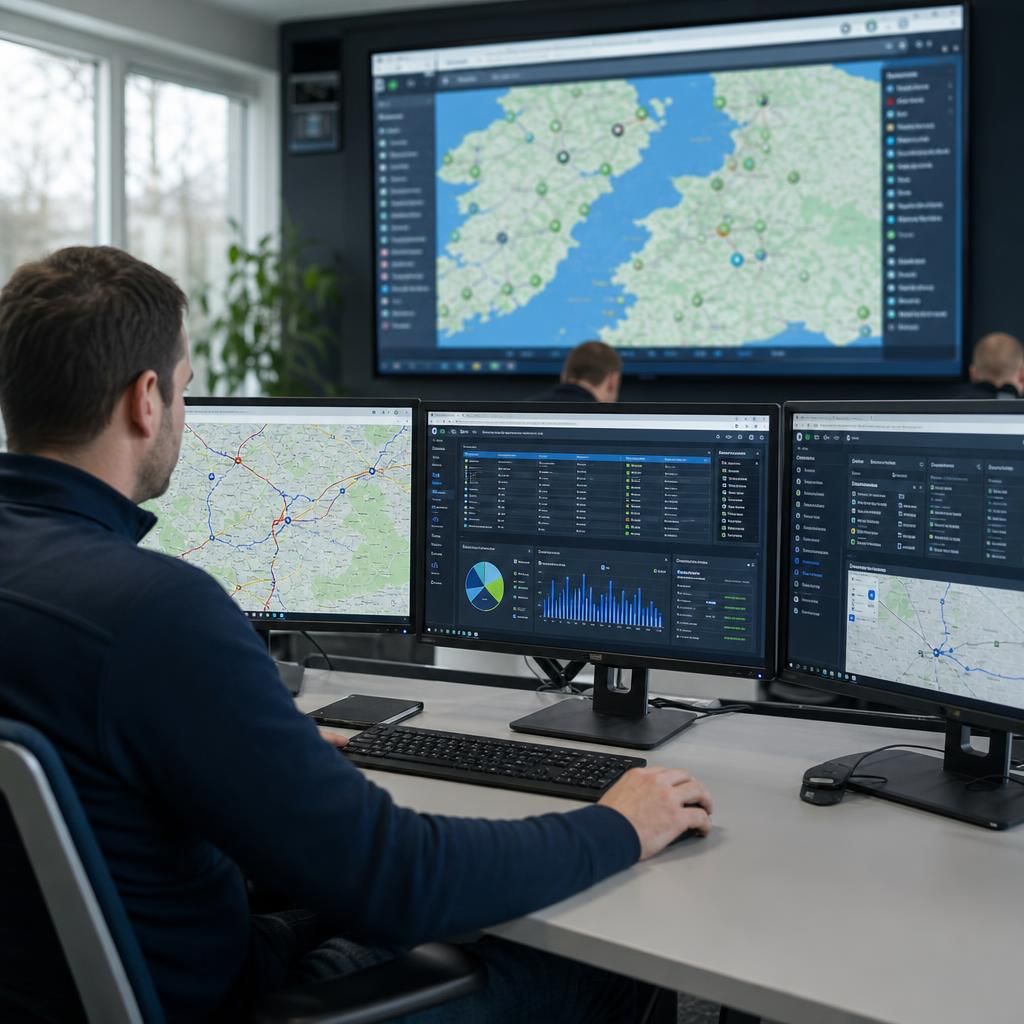
Fleet Management
Fleet management involves the use of GPS tracking technology to monitor and manage an entire fleet of vehicles in real-time. This technology allows fleet operators to track vehicle locations, optimise routes, and reduce fuel consumption and operational costs by identifying inefficiencies.
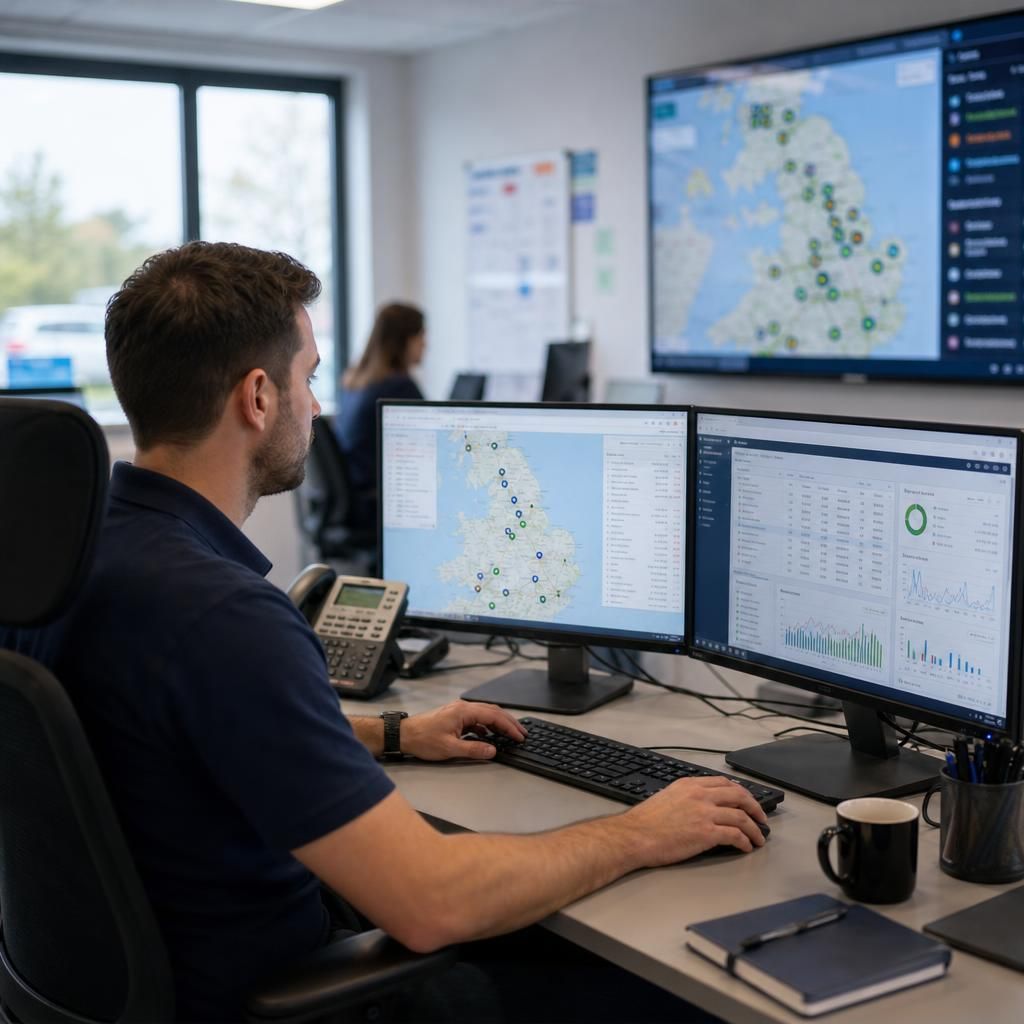
Real-Time Tracking
Real-time tracking is a key feature of vehicle tracking systems, providing up-to-the-minute information on the location and status of vehicles. This allows businesses to respond quickly to unexpected changes, improve customer service through accurate ETAs, and enhance overall operational efficiency.
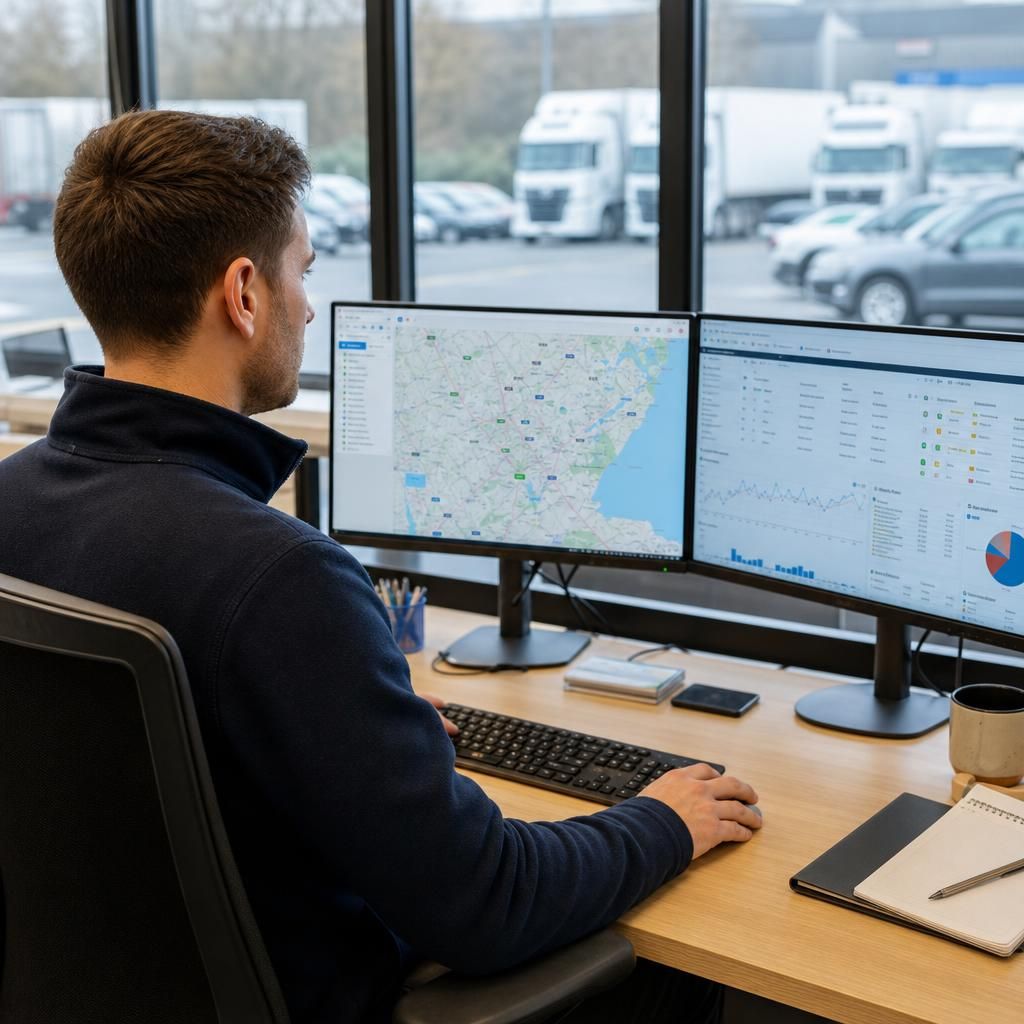
Driver Behaviour Monitoring
Monitoring driver behaviour is crucial for ensuring safety and efficiency. GPS systems can track driving patterns, such as speed, harsh braking, and acceleration, to provide insights into driver performance. This information helps businesses promote safer driving practices and reduce the risk of accidents.
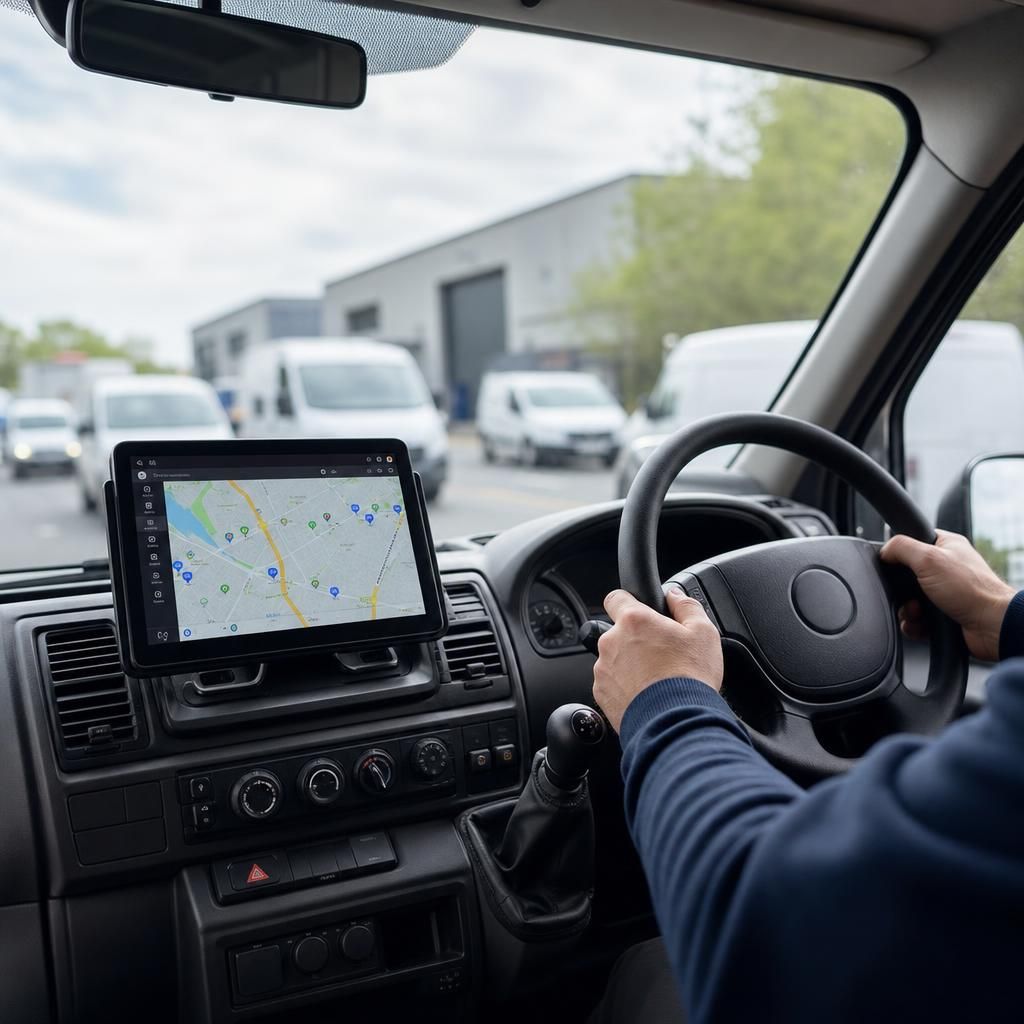
Geofencing
Geofencing technology enables businesses to create virtual boundaries for their vehicles. Alerts can be set up when a vehicle enters or exits predefined areas, enhancing security and allowing for better management of delivery routes and restricted zones.
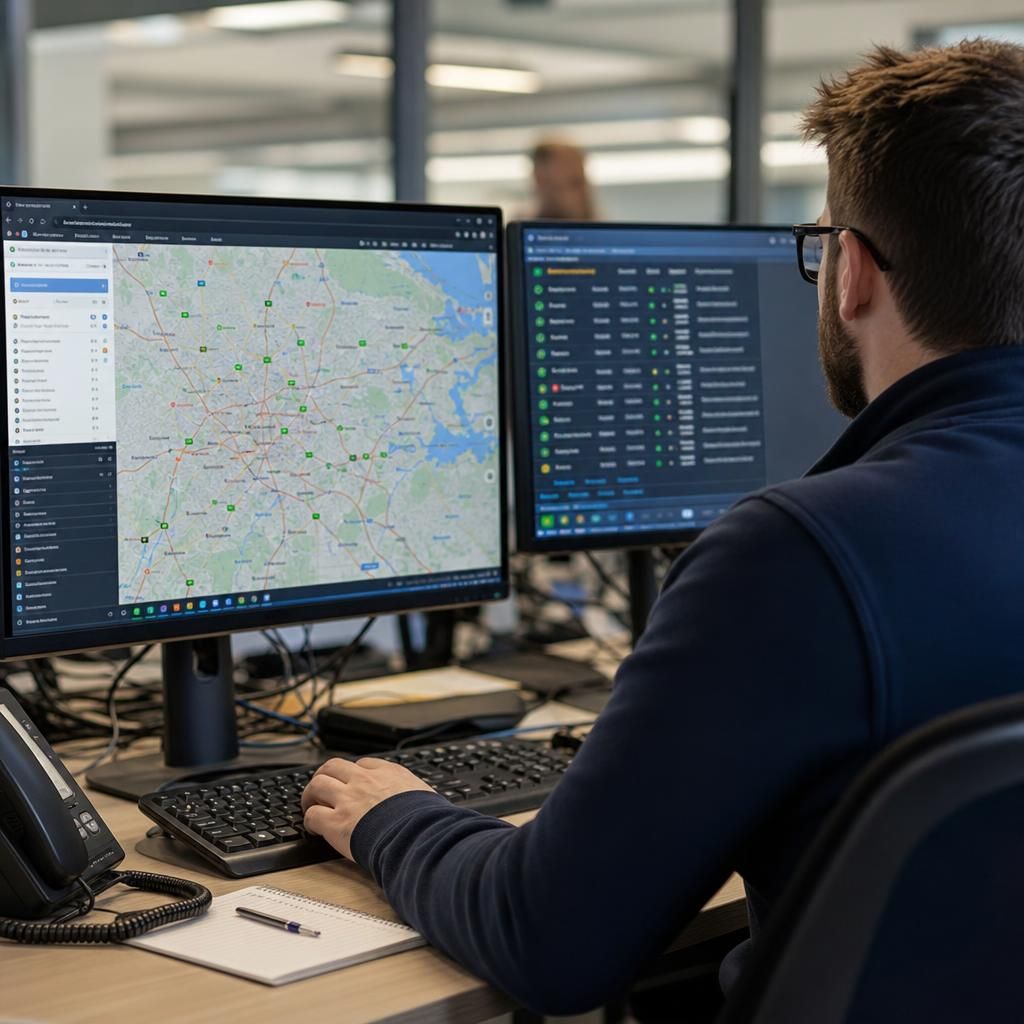
Asset Security
Asset security is enhanced through GPS tracking by providing real-time monitoring of valuable assets. This ensures that in the event of theft or unauthorised movement, businesses can act swiftly to recover assets and minimise losses.
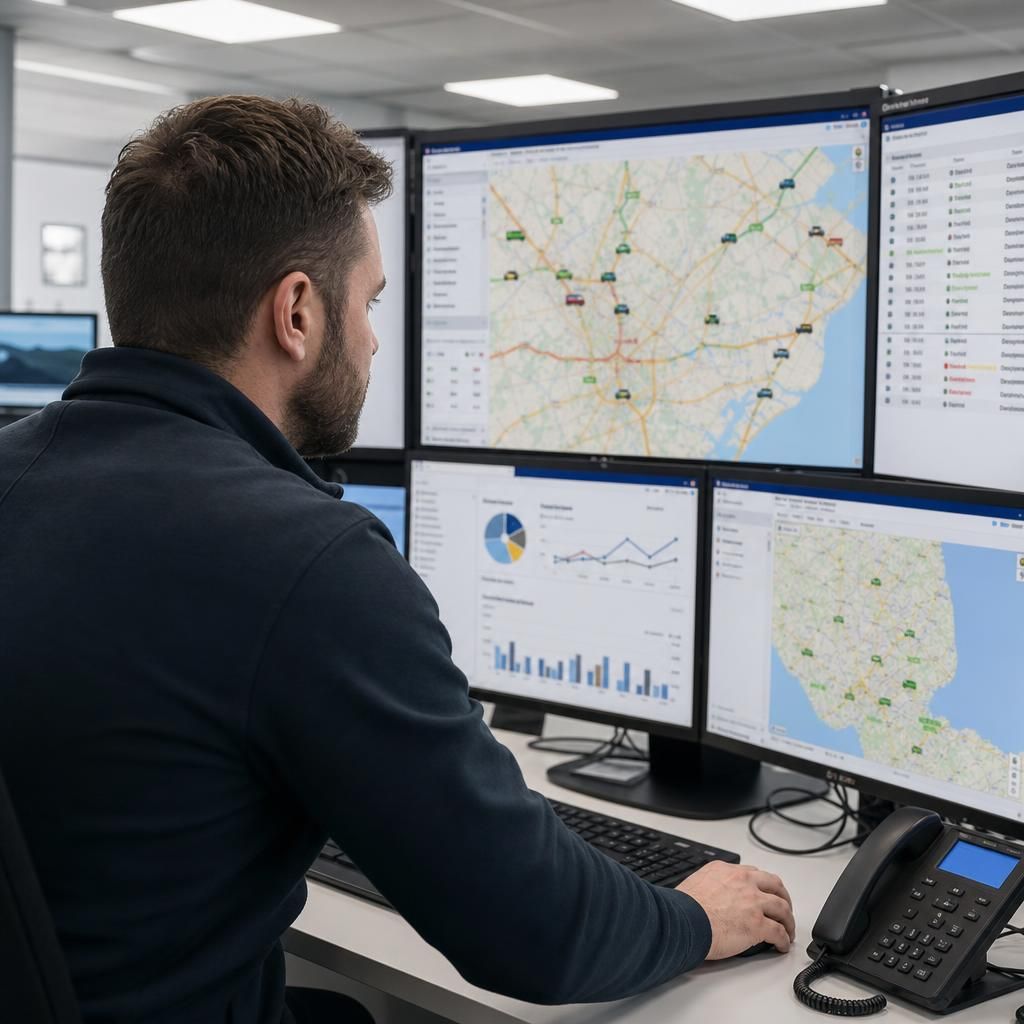
Telematics Integration
Telematics integration combines GPS data with other vehicle information such as engine diagnostics and fuel levels. This allows businesses to gain deeper insights into vehicle operations and maintenance needs, improving overall fleet health and reducing downtime.
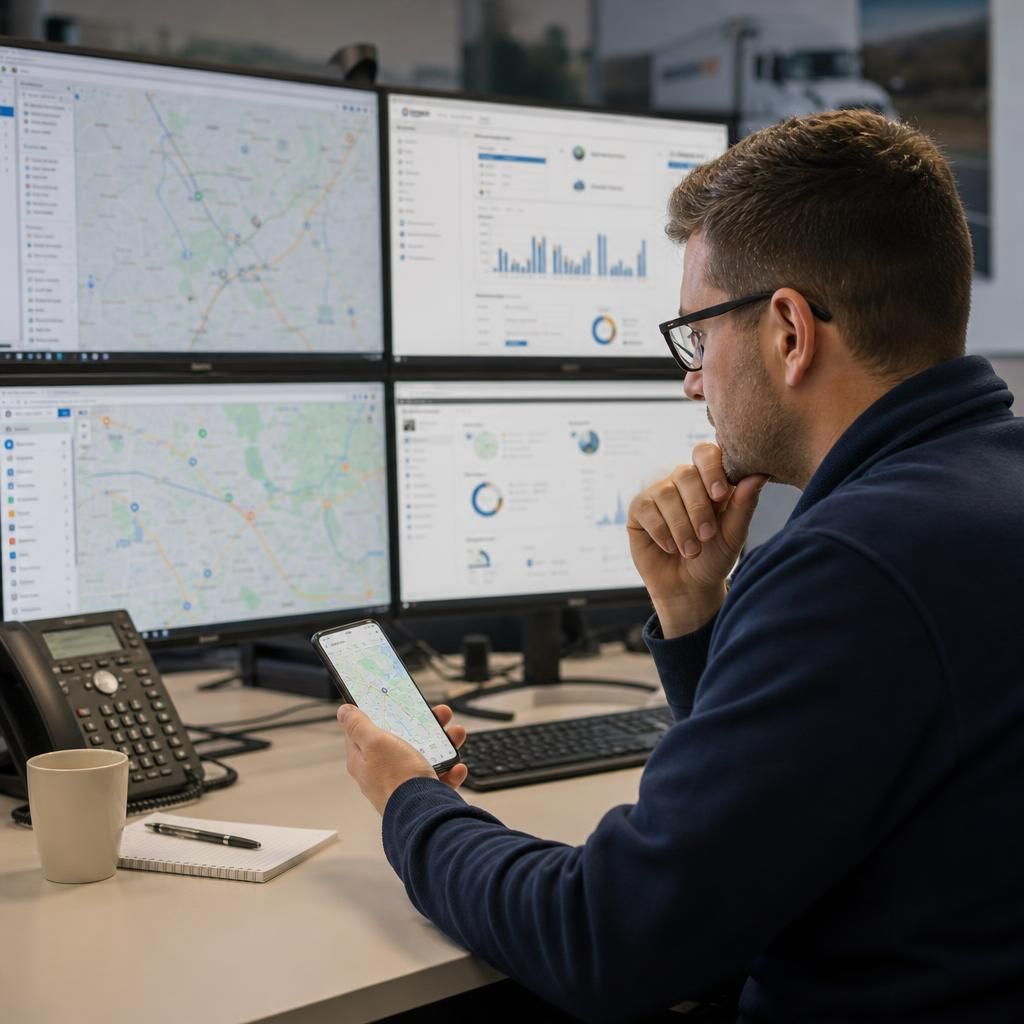
Custom Reporting
Custom reporting tools allow fleet managers to generate tailored reports on various aspects such as route efficiency, maintenance schedules, and compliance. These reports help in making informed decisions to optimise fleet performance and reduce operational costs.

Installation Options
Vehicle tracking systems offer various installation options, from plug-and-play devices for easy setup to hardwired systems for more comprehensive monitoring. Choosing the right installation type depends on the business's specific needs and vehicle types.
Exploring Vehicle Tracking Solutions
Accordion sections provide an efficient way to organise detailed information about vehicle tracking solutions, allowing users to navigate through different aspects without overwhelming them. Each segment is designed to unfold only when clicked, offering an uncluttered and user-friendly browsing experience. This structure is particularly beneficial for delving into complex details about GPS tracking technology, systems integration, telematics, and data security without confusing or discouraging users from exploring the depth of information available.
Vehicle tracking systems generally fall into two categories: hardwired installations and portable trackers. Hardwired systems require professional installation and are typically installed under the vehicle’s dashboard, drawing power directly from the car battery. These systems are ideal for long-term fleet monitoring situations. In contrast, portable trackers, often magnetic and battery-operated, can be easily moved between vehicles, offering flexibility for temporary tracking needs or individual use cases. Understanding the installation and operation of these trackers helps businesses select the most appropriate solution based on their operational needs and scalability requirements.
Real-time Tracking Features
Real-time tracking allows businesses to monitor the location and movement of their vehicles as they happen, offering immediate visibility and allowing quick responses to on-road developments.
Understanding Real-time Tracking
Real-time tracking systems utilise GPS technology to provide continuous, live updates on the location of each vehicle. These updates are captured by satellites and relayed to a centralised system that fleet managers can access through a secure portal. The real-time aspect ensures that dispatchers and managers can make informed decisions instantaneously, improving route management and delivery times.
Benefits of Fleet Management Systems
Implementing fleet management systems can significantly enhance operational efficiency, reduce costs, and improve overall service quality.
How Fleet Management Optimises Operations
Fleet management systems integrate technology such as telematics and GPS tracking to oversee all aspects of vehicle fleet operations. These systems allow for the monitoring of vehicle health, driver behaviour, fuel consumption, and maintenance scheduling. By leveraging this data, businesses can minimise downtime, extend vehicle lifespans, and achieve greater cost efficiencies.
Telematics Integration
Telematics systems collect and analyse large amounts of data from vehicles, helping organisations improve safety and productivity.
The Role of Telematics in Vehicle Tracking
Telematics combines telecommunications and informatics, capturing data such as speed, location, idling time, harsh braking, and fuel usage. This information is transmitted to a central server where it is processed and analysed. Businesses use these insights to enhance driver safety, optimise maintenance schedules, and reduce fuel costs, which are critical factors in maintaining a competitive edge.
Geo-fencing Capabilities
Geo-fencing is a versatile feature in modern tracking systems, offering virtual boundaries for controlling vehicle locations.
Exploring Geo-fencing Applications
Geo-fencing technology allows fleet managers to set predefined geographic boundaries using GPS mapping tools. When a vehicle enters or exits these boundaries, alerts are triggered, letting managers respond to potential anomalies. This feature is particularly useful for maintaining security of assets, ensuring compliance with delivery routes, and safeguarding against unauthorised use of vehicles.
Reducing Fuel Costs
Efficient route planning and vehicle tracking can significantly lower fuel consumption, an important consideration for any fleet manager.
Strategies for Fuel Efficiency Using GPS Tracking
GPS tracking assists in identifying optimal routes, reducing travel distances, and improving time management. By monitoring routes in real-time, fleet managers can promptly adjust to avoid traffic congestion and other delays. Additionally, the data collected can help instigate better driving practices such as avoiding excessive idling and harsh acceleration, both of which can lead to high fuel consumption.
Ensuring Asset Security
Protecting valuable mobile assets against theft and unauthorised use is a key concern for businesses with fleet operations.
Enhancing Security through Tracking Solutions
Vehicle tracking systems provide a robust safeguard against theft, offering features such as real-time location monitoring, geo-fencing, and remote immobilisation. These tools allow swift recovery of stolen vehicles and discourage potential theft by providing constant surveillance. Furthermore, comprehensive reports and analytics empower businesses to identify security risks and take preventive measures to protect their assets.
Unmatched Precision and Scalability
Ace’s GPS tracking solutions specialise in delivering precision technology tailored for effective fleet management and asset security. Utilising advanced GPS systems and telematics, businesses can monitor real-time movements of vehicles, enhance operational efficiency, and ensure safety.
These tracking systems are scalable and customisable, accommodating a wide range of fleet sizes and operational needs. Integrating seamlessly into existing business infrastructures, they provide insightful data on vehicle health and driver behaviour, reducing operational costs and improving productivity.
Enhanced Security
Our GPS tracking systems provide unparalleled protection for your fleet, ensuring real-time location data to safeguard your assets.
Operational Efficiency
Streamline your operations with precise tracking data, allowing for better route planning and reduced fuel consumption.
Innovative Technology
Utilising cutting-edge telematics, our solutions offer comprehensive insights into vehicle performance and driver behaviour.
Customisable Solutions
Our systems are designed to be highly flexible, providing tailored applications to meet the specific needs of your business.
Dedicated Support
Benefit from our expert team, committed to providing ongoing support and ensuring seamless integration with your existing systems.
Scalable Applications
Our solutions grow with your business, offering scalability across diverse industries and fleet sizes.
Real-Time Monitoring
Stay connected with your assets at all times through our advanced GPS tracking, enabling immediate response to any issues.
Data Security
We prioritise data protection with robust security measures, ensuring your vehicle and asset information is secure.
Key Benefits of Vehicle Tracking Systems
Vehicle tracking systems use GPS technology to provide businesses with precise, real-time monitoring of their vehicle fleets. These systems enable enhanced operational efficiency by offering critical insights into vehicle locations and movements. Businesses can utilise vehicle tracking to optimise routes, reduce fuel consumption, monitor driver behaviour, and ensure asset security. The systems vary between hardwired solutions for permanent installations and portable devices for flexible, temporary uses, providing adaptable solutions catering to different fleet management needs. Understanding these options aids in selecting the right system for specific operational requirements.
Real-Time GPS Tracking
Real-time GPS tracking provides immediate updates on vehicle locations, ensuring accurate monitoring of fleet movements. This functionality enhances routing efficiency and operational control by offering instant position data.
Data-Driven Insights
Utilising telematics technology, vehicle tracking systems deliver valuable insights into driver behaviour, fuel usage, and maintenance needs. This data helps businesses make informed decisions to boost efficiency and reduce costs.
Enhanced Asset Security
Implementing tracking solutions significantly enhances the security of vehicles and assets. Alerts on unauthorised movement or potential theft provide peace of mind, allowing swift response to security threats.
Improved Fleet Management
Comprehensive vehicle tracking enables effective fleet management by streamlining operations. It optimises route planning and dispatching, reducing downtime and improving service delivery.
Scalable Solutions
Vehicle tracking systems are scalable to meet the needs of businesses of different sizes and industries. Whether managing a handful of vehicles or a large fleet, the solutions adapt to provide consistent value.
Increased Efficiency
Tracking systems contribute to increased operational efficiency by reducing unnecessary idling and promoting fuel-saving driving habits. They streamline administrative processes with automated reporting features.
Compliance and Safety
Vehicle tracking assists in maintaining compliance with industry regulations and safety standards. Features such as driver identification ensure that all operators are licenced, while geofencing helps stay within designated areas.
Proven Advantages
Vehicle tracking systems provide businesses with comprehensive insights into fleet operations, enabling real-time vehicle location monitoring and improved route optimisation.
Unmatched Benefits of Vehicle Tracking Systems
Vehicle tracking systems utilise GPS technology to provide businesses with real-time data on the location and movement of their vehicles. This information is critical for improving operational efficiency as it enables better route planning and optimised resource allocation. By using real-time tracking, businesses can reduce fuel costs, improve delivery times, and enhance overall fleet utilisation, ensuring that vehicles are used effectively and maintenance is optimised.
There are primarily two types of vehicle tracking systems: hardwired and portable. Hardwired systems are permanent installations in vehicles, offering robust and continuous tracking powered directly by the vehicle’s battery. These systems are ideal for long-term use in established fleets. Portable systems, on the other hand, are easy to install and can be transferred between vehicles, providing flexibility for temporary tracking needs. Both systems offer unique benefits that can cater to specific business requirements, ensuring the right level of monitoring and security for each fleet.
Key considerations when selecting a vehicle tracking system include the specific needs of the business, such as the size and type of the fleet, and the level of detail required from tracking reports. Businesses should also consider the integration capabilities of the system with existing software and tools for fleet management. Moreover, the choice between a hardwired or portable system will depend on the nature of the fleet’s operations—whether permanent installation is feasible or whether flexibility is paramount. Ultimately, selecting the right system helps in achieving maximum return on investment through improved efficiency and enhanced asset security.
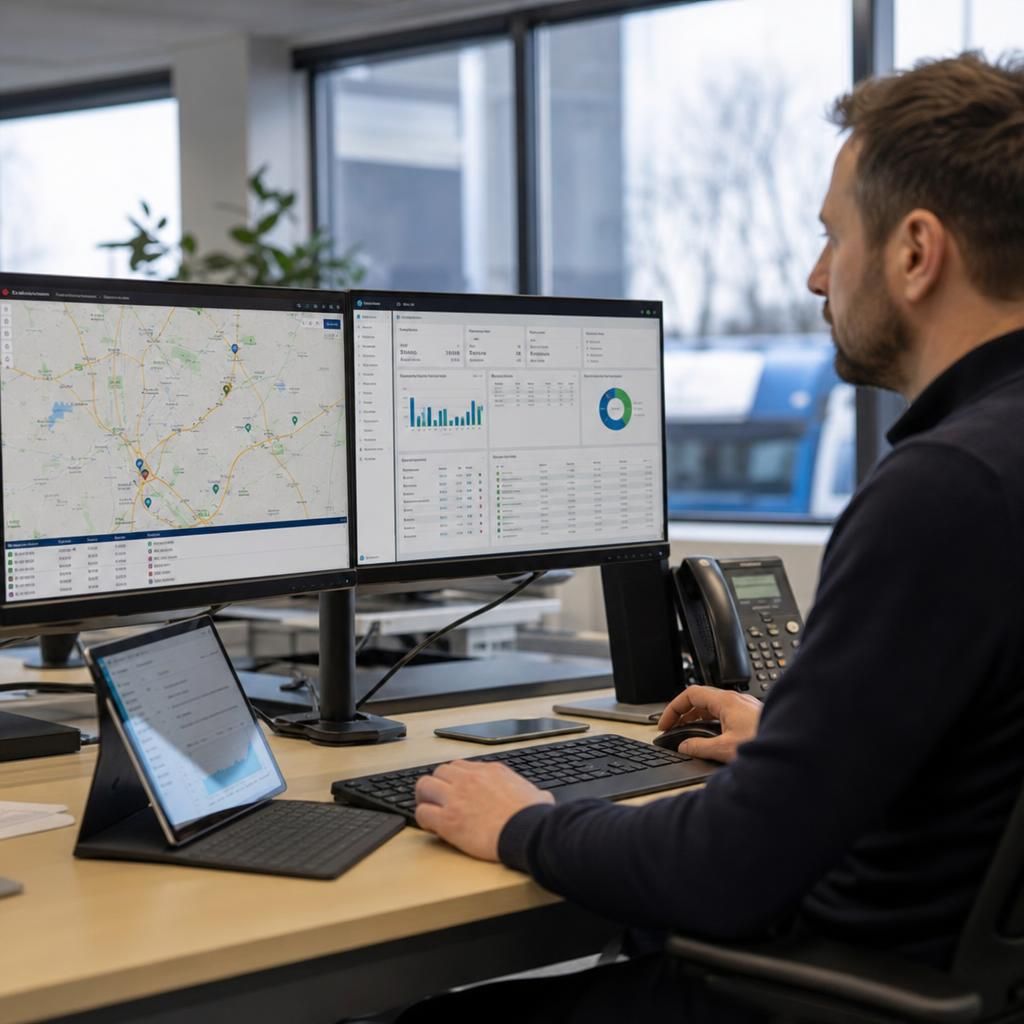
Visualise Your Fleet’s Performance
Vehicle tracking systems use GPS technology to provide real-time data on vehicle locations and movements, which is essential for managing modern fleets efficiently. These systems help businesses improve route planning, reduce fuel consumption, and enhance operational productivity by offering precise insights into vehicle utilisation and driver behaviour. With this information, fleet managers can make informed decisions to optimise performance and reduce operational costs.
There are two main types of vehicle tracking systems: hardwired and portable. Hardwired systems offer a permanent solution, installed under the dashboard and powered by the vehicle’s battery, making them ideal for consistent, long-term monitoring. Portable trackers provide flexibility, easily transferable between vehicles and suitable for temporary tracking needs or varied fleet operations.
Selecting the right vehicle tracking system requires considering the specific requirements of the business, such as fleet size, operational demands, and desired level of tracking detail. Businesses must evaluate how these systems integrate with existing fleet management software and decide on the benefits of portability versus permanent installation. Building a tracking solution that aligns with operational goals can significantly enhance asset security and overall resource utilisation.
Frequently Asked Questions about Vehicle Tracking Systems
What is a GPS Vehicle Tracker and how does it work?
Vehicle tracking systems use GPS technology to monitor the real-time location and movement of vehicles. These systems enhance fleet management, optimise routing, and improve security by providing live updates and alerts.
What are the benefits of using a vehicle tracking system for businesses?
Vehicle tracking systems enhance businesses by improving fleet efficiency, reducing fuel costs, ensuring driver safety, preventing theft, and delivering valuable data insights for decision making.
How does GPS vehicle tracking help in preventing theft?
GPS vehicle tracking deters theft by enabling real-time location monitoring, ensuring swift recovery of stolen vehicles. Alerts notify owners of unauthorised movement, providing immediate action to prevent loss.
What features should I look for in a vehicle tracking system?
Look for real-time location tracking, geofencing alerts, driver behaviour monitoring, easy integration with other systems, and reliable customer support in a vehicle tracking system to enhance fleet management efficiency.
How can telematics improve fleet management?
Telematics enhance fleet management by collecting vehicle data and driver behaviour, enabling route optimisation, fuel consumption reduction, and real-time decision-making for improved operational efficiency and enhanced safety standards.
Invest in Reliable Vehicle Tracking Systems
Elevate your fleet management practices by investing in innovative vehicle tracking systems designed to provide precise location data and improve operational efficiency. Choose from hardwired or portable solutions to suit your business needs, enhancing security and reducing costs. Act now to streamline logistics and maximise fleet performance.
Key Considerations for Choosing a Vehicle Tracking System
What are the top considerations when choosing a GPS vehicle tracking system for my business?
Vehicle tracking systems use GPS and telematics to monitor location and status in real-time, enhancing fleet management and security. Consider features like durability, ease of use, and coverage for optimal results.
How can real-time GPS tracking improve the efficiency of my fleet operations?
Real-time GPS tracking streamlines fleet operations by providing instant location data, reducing downtime, optimising route planning, and improving communication. This real-time insight ensures efficient asset management and enhances operational productivity.
What factors impact the cost of implementing a vehicle tracking system?
Factors influencing vehicle tracking system costs include hardware expenses, software subscriptions, installation fees, and maintenance. Customisation and advanced features may increase the overall price depending on your business requirements.
What level of customisation is available with vehicle tracking systems?
Vehicle tracking systems offer extensive customisation options, including tailored reporting, real-time alerts, and integration with existing software. This flexibility ensures the system meets specific business needs, enhancing efficiency and security.
How does a vehicle tracking system integrate with existing business operations?
Integrating a vehicle tracking system involves aligning with existing software and processes, ensuring seamless data flow. This enhances asset management by providing synchronised insights without disrupting current operations.