Advanced Asset Tracking Solutions
Asset tracking involves using technology to monitor the location and status of an organisation’s tangible assets in real time. Advanced asset tracking systems utilise GPS, RFID, and barcode technologies to enhance asset visibility, security, and management efficiency. By maintaining an up-to-date record of each asset’s location and condition, businesses can streamline operations, reduce losses due to theft or misplacement, and optimise resource allocation. Considerations when implementing an asset tracking system include compatibility with existing software, scalability for future growth, and the specific needs of the industry, such as tracking for healthcare or construction environments.
Showcasing Industry-Leading Expertise
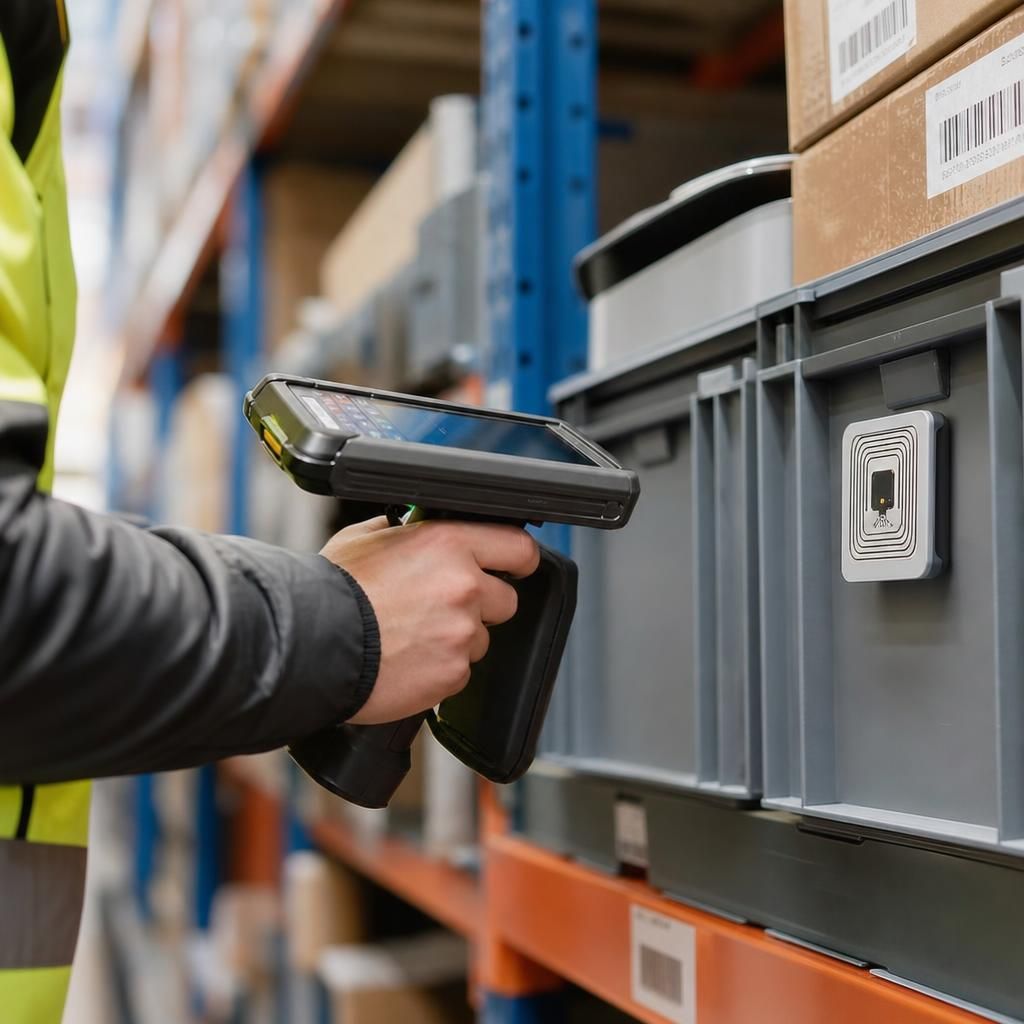
Enhanced Asset Security
Asset tracking systems play a crucial role in enhancing security by providing real-time location data and alerts for unauthorised movements, helping businesses to protect their valuable assets against theft and loss.

Optimised Fleet Management
Integrating GPS tracking into fleet management allows companies to streamline operations, reduce fuel costs, and improve driver performance through comprehensive data analytics and route optimisation tools.
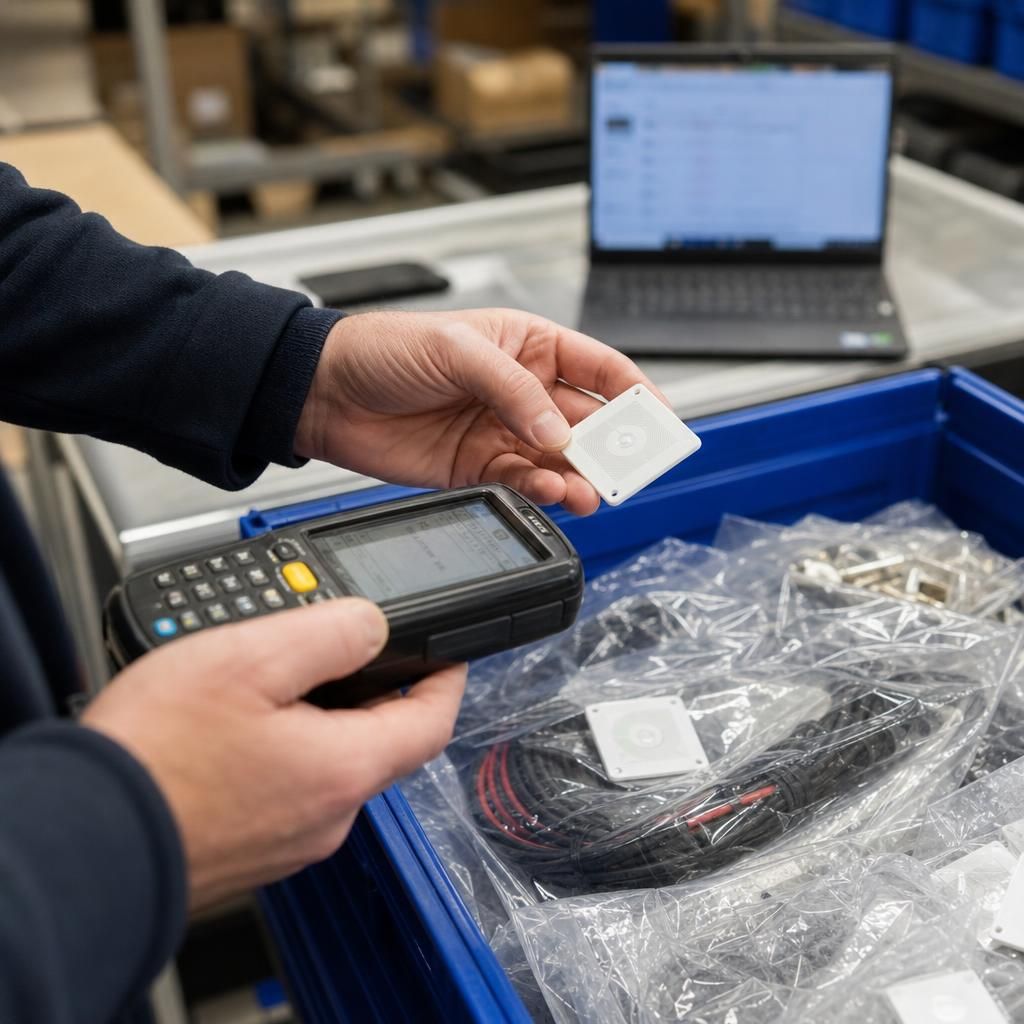
Advanced Telematics Solutions
Utilising telematics technology, businesses can monitor vehicle diagnostics, driver behaviour, and maintenance needs, effectively reducing downtime and enhancing vehicle longevity.

Real-Time Location Monitoring
Real-time tracking provides instant access to asset locations, enabling businesses to make informed decisions promptly and ensure that operations remain efficient and responsive.

Scalable Tracking Applications
Tracking solutions are highly scalable, making them ideal for a wide array of industries, from logistics to construction, and adaptable to varying degrees of complexity and size of operations.

Data-Driven Operational Insights
Data analytics derived from asset tracking systems can uncover trends and insights that drive strategic decision-making, offering a competitive edge in proactive business management.
Comprehensive Asset Tracking Solutions
Advanced asset tracking systems play a critical role in the modern business landscape by providing precise real-time data on the location and condition of valuable assets. These systems often employ a combination of GPS, RFID, and barcode technology to offer comprehensive visibility, allowing businesses to maintain control over their resources. By knowing precisely where assets are at all times, companies can improve efficiency in logistics, minimise losses due to theft or misplacement, and better allocate resources, thereby enhancing overall operational performance.
When considering the implementation of an asset tracking solution, businesses must assess several key factors to ensure alignment with organisational needs. Compatibility with existing IT systems and technology infrastructure is vital for seamless integration. Furthermore, the scalability of the system should be evaluated to accommodate future business growth or changes in operational scope. Industry-specific requirements should also be considered, ensuring the asset tracking solution is tailored to address unique challenges faced in varying sectors, such as healthcare, construction, or logistics. The focus should remain on deploying a solution that provides accurate data insights, supporting strategic decision-making and efficient asset management.
Understanding GPS Asset Tracking
Asset tracking involves the use of GPS technology to monitor the location and movement of physical assets. These systems are crucial for businesses wanting to safeguard their assets and improve operational efficiency.
Detailed Explanation of GPS Asset Tracking
GPS asset tracking systems utilise satellite signals to pinpoint the location of tracking devices attached to assets. Data from these systems can be accessed in real time via various software platforms, allowing for continuous monitoring and management, which is critical for sectors such as logistics and construction.
Key Components of Asset Tracking Systems
Asset tracking systems comprise essential elements that work together to provide accurate and reliable tracking services. Understanding each component is vital for effective system deployment.
Components Explained
The primary components include a GPS tracking device, a data communication system, and a software platform. The device captures location data, the communication system transmits this information, and the software platform processes and displays it. Implementing these correctly ensures seamless operation.
Benefits of Asset Tracking for Businesses
Deploying asset tracking systems can offer various advantages to businesses, ranging from improved security to enhanced operational efficiency.
Exploring Business Benefits
The primary benefits include improved security due to real-time monitoring, increased efficiency in asset use and logistics planning, reduced risk of asset loss, and enhanced accuracy in asset management, all contributing to better business outcomes.
Choosing the Right Asset Tracker
Selecting an appropriate asset tracker involves considering several factors that align with your specific business needs.
Key Considerations for Selection
Factors to consider when choosing an asset tracker include the type of assets being tracked, environmental conditions, battery life, reporting frequency, and the required features such as geofencing and alerts. Assessing these factors will guide you to the most suitable solution.
Implementation Challenges and Solutions
Implementing an asset tracking system can present challenges that businesses should be prepared to address.
Overcoming Implementation Challenges
Common challenges include data integration issues, training staff on new systems, and ensuring network connectivity. Solutions involve choosing compatible systems, investing in comprehensive training, and ensuring robust connectivity infrastructure before deployment.
Industry Applications of Asset Tracking
Asset tracking systems are used across various industries, each benefiting uniquely from this technology.
Exploring Different Industry Applications
In logistics, asset tracking improves route planning and reduces fuel costs. In construction, it ensures on-site equipment is used efficiently. Retail benefits through improved inventory management. These diverse applications illustrate the systems’ versatility and value across sectors.
Future Trends in Asset Tracking Technology
The asset tracking sector is evolving with technological advancements, offering new opportunities for businesses.
Emerging Trends to Watch
Emerging trends include IoT integration for increased data accuracy, the use of AI for predictive analytics, and enhanced mobile interfaces for better user interactivity. Staying informed on these trends can help businesses make future-proof investments.
Unmatched Expertise in Asset Tracking
Advanced asset tracking systems integrate GPS, RFID, and barcode technologies to provide precise real-time data about the location and status of assets, reducing loss and enhancing efficiency. These technologies help businesses maintain a detailed and accurate overview of their assets, facilitating better management and decision-making strategies.
ACES GPS distinguishes itself through custom solutions designed to meet industry-specific tracking requirements, ensuring reliable performance and security. Their systems are designed for seamless integration with existing infrastructures, offering businesses a scalable solution to accommodate their evolving needs, making them an excellent choice for managing mobile assets effectively.
Innovative Technology
Our tracking systems utilise state-of-the-art telematics to provide unparalleled asset visibility.
Enhanced Security
ACES GPS offers advanced security features to prevent asset theft and ensure peace of mind.
Customisable Solutions
Tailor your tracking system to fit specific business needs, ensuring optimal performance.
Real-time Monitoring
Access real-time data to make informed decisions and improve operational efficiency.
Precise Location Tracking
Track your assets with pinpoint accuracy anywhere in the UK.
B2B Expertise
Specialising in business solutions ensures our services are aligned with commercial needs.
Reliable Performance
Experience dependable tracking systems designed to operate seamlessly 24/7.
Eco-friendly Approach
Our solutions help reduce environmental impact by optimising fleet fuel usage.
Key Factors in Choosing Asset Tracking Solutions
Advanced asset tracking systems use technologies like GPS, RFID, and barcodes to monitor the location and condition of an organisation’s assets in real-time. These systems enhance visibility and management, thereby improving operational efficiency and reducing asset loss. Businesses should consider system compatibility, scalability, and industry-specific needs when selecting a solution.
Real-time Monitoring
Asset tracking systems provide real-time data on the location and status of tracked items, enabling businesses to make informed decisions quickly.
Enhanced Security
Utilising GPS tracking significantly enhances the security of assets by providing alerts for unauthorised movements.
Operational Efficiency
Comprehensive asset tracking enhances workflow efficiency by aiding in resource allocation and reducing downtime.
Precision Location Tracking
Advanced GPS technology allows for precise tracking of assets, crucial for planning and optimising logistical operations.
Scalable Solutions
Asset tracking systems are scalable, making them suitable for small businesses as well as large enterprises with extensive operations.
Time Management
Effective asset tracking contributes to better time management by ensuring the timely arrival and departure of assets.
Regulatory Compliance
Tracking solutions help organisations maintain compliance with industry regulations by keeping accurate records of asset movements.
Automated Alerts
Receive automated notifications and alerts for any deviations in asset movement or unauthorised access, enhancing proactive management.
Customisable Features
Asset tracking solutions can be tailored with customised features to fit the unique needs of different industries.
Proven Benefits
Utilising asset tracking technology significantly reduces asset loss and improves resource management, enhancing operational efficiencies for UK businesses.
Real-World Advantages of Asset Tracking
Asset tracking systems are essential tools for modern businesses that aim to enhance the management and security of physical assets. These systems employ technologies such as GPS, RFID, and barcode scanners to track the location and status of assets in real-time. The main advantage of these systems is their ability to provide detailed information on asset whereabouts, enabling companies to reduce instances of loss through theft or misplacement and efficiently manage their resources.
By integrating advanced asset tracking solutions, businesses can significantly improve operational efficiency. The real-time data generated helps managers make informed decisions regarding asset allocation, which leads to better utilisation of resources and optimised logistics processes. Additionally, the ability to continuously monitor asset conditions ensures that businesses can maintain high standards of operational readiness, thereby reducing downtime and increasing productivity.
For businesses considering implementation, it is vital to select an asset tracking system that aligns with existing infrastructure and is adaptable for future growth. Evaluating the system’s compatibility with current IT frameworks ensures seamless integration, while its scalability allows for adjustments as business needs change. Choosing the right asset tracking solution is crucial for meeting industry-specific demands, be it in healthcare, construction, or another sector, thus supporting effective asset management strategies tailored to particular operational challenges.

Visualising Asset Tracking Technology
Asset tracking technology provides businesses with the ability to monitor the location and status of their physical assets in real-time. Utilising tools such as GPS, RFID, and barcode scanning, these systems enable companies to maintain precise oversight over their valuable resources. This enhanced visibility aids in reducing asset loss due to theft or misplacement, and it ensures better resource management by enabling informed decision-making.
The implementation process of an asset tracking system requires careful consideration of compatibility with existing IT frameworks and scalability to accommodate future growth. Businesses should tailor their solutions based on specific industry requirements, ensuring optimal performance across different sectors like healthcare or logistics. Effective integration results in streamlined operations and improved asset security.
Choosing the right asset tracking technology involves evaluating various tools and platforms concerning their functionality and adaptability. It is crucial to understand the specific needs of your business operations to select a system that provides comprehensive data insights. By improving asset management efficiency, companies can enhance operational readiness, maximise productivity, and gain a competitive edge in their industry.
Common Questions About Asset Tracking
What are the benefits of integrating an asset tracking system into my business operations?
Asset tracking involves using technology such as GPS, RFID, or barcode systems to monitor the location and status of business assets in real-time, enhancing inventory management and asset security.
How does GPS tracking specifically benefit fleet management in enhancing vehicle security and efficiency?
GPS tracking enhances fleet management by providing real-time location data, which aids in optimizing routes and schedules, reducing fuel consumption, and improving vehicle security through constant monitoring and anti-theft features.
What types of technology are utilised in asset tracking systems, and how do they function?
Asset tracking systems use GPS, RFID, and barcode technology to monitor asset locations and statuses. GPS provides real-time tracking; RFID offers automation and read capabilities; barcode ensures efficient inventory management.
What are the key features to look for in an effective asset tracking system?
Key features of an asset tracking system include real-time location monitoring, integration with existing software, scalable solutions for business growth, user-friendly interfaces, and secure data management.
What is the difference between RFID and GPS in asset tracking systems?
RFID uses radio waves for short-range communication to identify and track items, while GPS provides real-time location data via satellites, suitable for broader geographical tracking in asset management systems.
Enhance Your Asset Management Today
Implementing an asset tracking system can significantly transform how a company manages its resources. These systems utilise technologies like GPS, RFID, and barcodes to offer real-time data on the location and status of assets, improving operational efficiency and security. Choosing the right solution means considering compatibility with existing systems, scalability, and industry-specific needs. Upgrade your asset management capabilities with our advanced tracking solutions and streamline your operations today.
Common Questions About Asset Tracking Solutions
How can GPS asset tracking improve my company's operational efficiency?
Asset tracking systems monitor location and condition of valuable resources in real-time, enhancing security and operational efficiency. They utilise GPS and RFID technologies for asset management across various industries.
What security features should I look for in an asset tracking system?
Look for secure data encryption, geofencing capabilities, anti-jamming technology, and real-time alerts to enhance asset protection and prevent unauthorised access or theft.
What type of assets benefit most from GPS tracking systems?
GPS tracking systems are ideal for monitoring fleet vehicles, heavy equipment, and valuable assets. They enhance asset visibility by providing real-time location data, improving security and operational management.
What is the cost-benefit analysis of implementing a GPS asset tracking system?
Implementing a GPS asset tracking system offers enhanced asset management and security, while reducing operational costs through real-time monitoring, efficient resource allocation, and loss prevention.
How does GPS-based asset tracking integrate with existing business systems?
GPS-based asset tracking seamlessly integrates with business systems using APIs, offering real-time data sharing for improved asset management and operational efficiency, tailored to various business needs and technologies.