
GPS Tracking Devices for Business
GPS tracking devices are essential tools for businesses seeking to monitor and manage their vehicle fleets or assets in real-time. These devices utilise Global Positioning System technology to provide accurate, up-to-date location information, improving operational efficiency and security. Choosing the best GPS tracking device involves considering factors such as device type (hardwired vs portable), connectivity options, and specific business requirements like geofencing or analytics capabilities.
Advantages of Using GPS Tracking Devices in Business
GPS tracking devices are pivotal for businesses aiming to enhance control over their mobile assets, providing real-time visibility into the location and status of vehicles and inventory. These devices leverage the Global Positioning System to gather precise location data, which can be accessed and analysed through advanced software platforms. This capability allows businesses to optimise routes, reduce fuel consumption, and improve overall fleet management efficiency. Such systems are especially beneficial in industries reliant on logistics, delivery services, or any sector where asset tracking is crucial.
The diverse range of GPS tracking devices includes hardwired devices installed directly into vehicles for continuous power and more permanent solutions, as well as portable units that offer flexibility and can be moved between assets as required. Additionally, many devices provide features like geofencing to alert users if an asset leaves a designated area, supporting improved asset security. When selecting a GPS tracking device, evaluating factors such as battery life, connectivity options, and the environmental conditions they need to withstand can help in making an informed decision.
Investing in GPS tracking technology can significantly reduce operational costs and enhance risk management. By providing data-driven insights, these devices enable businesses to make informed decisions regarding logistical operations. Furthermore, the integration of telematics into these systems allows for the monitoring of vehicle behaviour, leading to safer driving practices and reduced wear and tear. Such advantages culminate in not only safeguarding assets but also protecting the business’s bottom line by mitigating inefficiencies and enhancing safety.
Verified Performance Metrics for GPS Tracking Devices
ACES GPS tracking devices enhance business operations through precise real-time asset monitoring, ensuring improved fleets and asset security. Our innovative solutions facilitate optimised logistics, driving efficiency and reducing operational costs effectively.
Key Benefits
Enhance operational efficiency and asset security with ACES GPS by choosing advanced tracking devices tailored for your business needs.
Explore Our Range of Advanced GPS Tracking Devices
Explore our diverse range of GPS tracking devices, suitable for various business applications. Identify opportunities for improved efficiency and security you might not have considered. Discover devices with features like geofencing, real-time tracking, and advanced analytics capabilities.
Real-Time Tracking
Real-time GPS tracking provides instantaneous location data, allowing businesses to monitor their assets and fleets in live mode. This functionality is crucial for businesses aiming to optimise delivery routes, reduce downtime, and enhance overall operational efficiency.
Geofencing Capabilities
Geofencing enables businesses to set virtual boundaries on maps, providing alerts when vehicles or assets enter or exit designated zones. This feature enhances security by preventing unauthorised vehicle use and helps in managing the perimeter movement of valuable assets.
Advanced Analytics
Advanced analytics in GPS devices equip fleet managers with in-depth insights into vehicle usage patterns, driving behaviour, and maintenance needs. This data-driven approach aids in making informed decisions to reduce costs and improve productivity.
Long Battery Life
GPS devices with long battery life are essential for businesses conducting extended operations without frequent recharge intervals. This ensures continuous tracking capabilities, especially in areas with limited access to charging facilities.
Customisable Alerts
Customisable alert features allow businesses to receive notifications tailored to their needs, such as speeding, idling, or maintenance reminders. This proactive approach assists in maintaining fleet safety and reducing operational risks.
Versatile Device Options
ACES GPS offers a selection of device options including hardwired and portable variants to suit different business needs. This versatility ensures that companies can choose the most appropriate solution for their specific tracking requirements.
Cost and Efficiency Benefits
Implementing GPS tracking systems can lead to significant cost savings by improving route efficiencies, reducing fuel consumption, and lowering administrative overheads. These efficiencies contribute directly to enhanced business profitability.
Enhanced Asset Security
Utilising GPS tracking devices significantly enhances security by preventing theft and unauthorized use of vehicles or assets. Real-time alerts and location tracking facilitate swift recovery of stolen items, safeguarding company investments.
Scalable Solutions
Our GPS tracking systems are designed with scalability in mind, allowing businesses to seamlessly expand device usage without compromising on performance. This flexibility supports growing enterprises in effectively managing larger fleets.
Common Questions About GPS Tracking Devices
What features should I look for in a GPS tracking device for my business?
GPS tracking devices use satellite signals to determine the real-time location of vehicles or assets. They offer features like geofencing, notifications, and data analysis to enhance business operations.
How can GPS tracking devices improve fleet management for my business?
GPS tracking devices enhance fleet management by providing real-time location data, aiding in route optimisation, reducing fuel costs, improving driver behaviour, and ensuring timely maintenance through analytics and alerts.
What are the benefits of using portable GPS tracking devices for businesses?
Portable GPS tracking devices offer flexibility as they can be easily moved between vehicles or assets, providing real-time location data and enhancing security without requiring permanent installation.
How do GPS tracking devices enhance asset security for businesses?
GPS tracking devices boost asset security by offering real-time location data, geofencing alerts, and tamper notifications, deterring theft and enabling quick recovery if assets are compromised.
What should I consider when selecting a GPS tracking device for tool and equipment management?
Consider device durability in harsh environments, ease of installation, battery life, and real-time location capabilities. Ensure compatibility with your existing systems for seamless integration and efficient management.
Visual Proof of Quality & Reliability
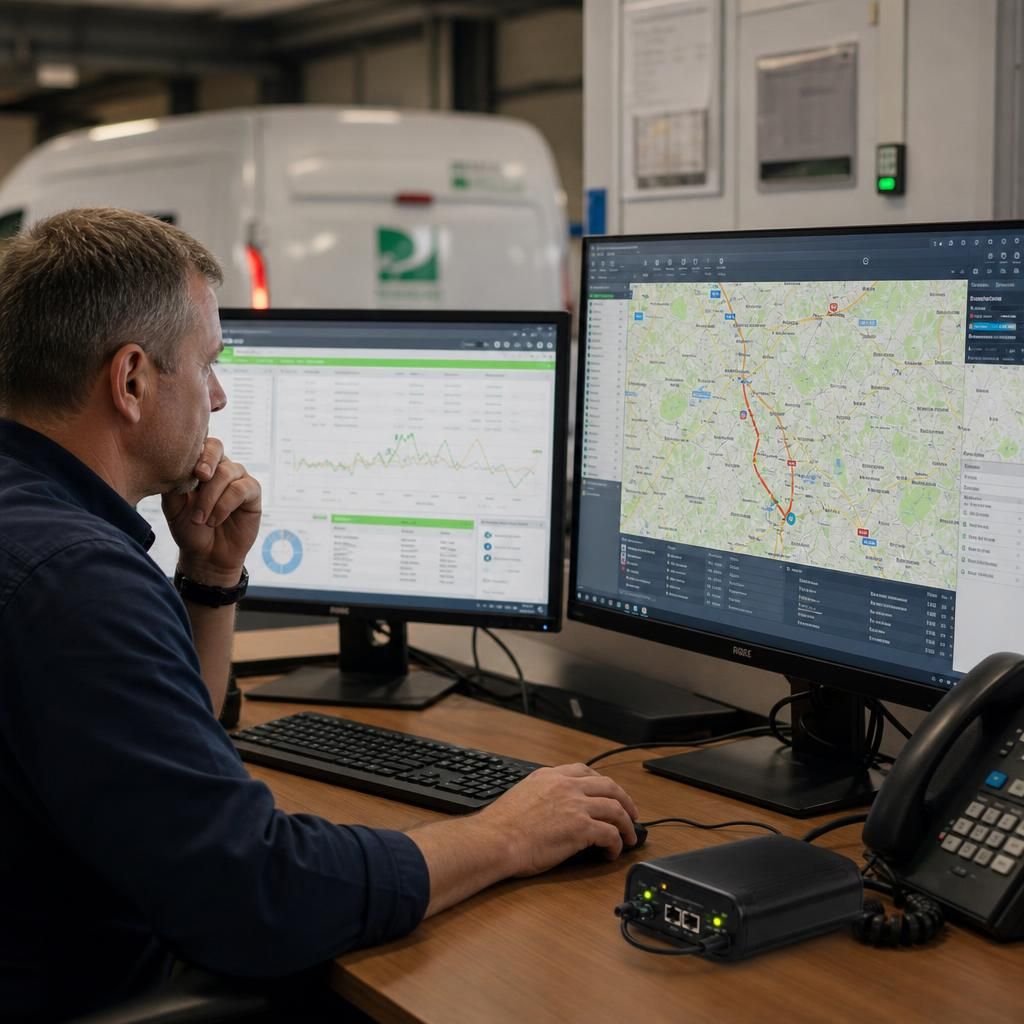
GPS tracking devices are crucial tools for businesses looking to improve their fleet management and asset security. These devices work by using satellite signals to determine and transmit the location of the vehicle or asset in real-time. They come in various forms including hardwired, portable, and plug-and-play types, each offering different benefits based on specific business needs.
Quality is paramount when selecting a GPS tracking device. High-grade materials, durability, and advanced technology ensure long-lasting performance and reliable data transmission. Devices often feature capabilities such as geofencing, which allows businesses to set virtual boundaries and receive alerts if these boundaries are breached, enhancing security and monitoring accuracy.
Companies should consider their specific requirements when choosing a GPS tracking device. Factors such as battery life, connectivity options (including cellular and satellite), and additional features like route optimisation and historical data analysis play a significant role in determining the most suitable solution. These considerations ensure the chosen device effectively meets the operational demands of the business.
Key Considerations When Choosing GPS Tracking Devices for Business
Choosing the right GPS tracking device is crucial for businesses that need to monitor their vehicle fleets or assets efficiently. These devices utilise satellite signals to provide real-time location information, offering insights into asset movements and promoting operational efficiency. There are various types of GPS tracking devices, including hardwired, portable, and plug-and-play models, each offering distinct advantages depending on the business’s specific requirements. For instance, hardwired devices are typically used when a permanent solution is preferred, whereas portable or plug-and-play options provide more flexibility.
When selecting GPS tracking devices, businesses should evaluate several essential factors. Battery life is a critical consideration, especially for portable devices that require long-lasting power to operate effectively. Connectivity options, such as cellular and satellite, can influence coverage and reliability. Additionally, advanced features like geofencing, historical data analysis, and route optimisation can offer added value by enhancing security and improving insights into operational patterns. Making informed decisions based on these factors ensures that the chosen device aligns with the company’s operational needs and security strategies.
Types of GPS Tracking Devices
Understanding the different types of GPS tracking devices is crucial for selecting the right system for your business needs. Each type offers distinct features and benefits that cater to specific operational requirements.
Exploring Device Types and Applications
GPS tracking devices primarily come in three forms: hardwired, portable, and plug-and-play. Hardwired devices are permanently installed in vehicles and provide stable, uninterrupted power for continuous tracking, making them ideal for dedicated fleet management. Portable devices offer flexibility and are suitable for assets that require movement between locations or if the same tracker needs to be used across different vehicles. Plug-and-play devices are easy to install via the vehicle’s OBD-II port, providing a quick solution for temporary tracking needs. Selecting the appropriate type depends on factors such as the permanence of installation, ease of use, and intended application.
Connectivity Options
The choice of connectivity is pivotal in ensuring effective real-time location tracking. Your business’s operational environment often dictates the suitable option.
Cellular vs Satellite Connectivity
GPS tracking devices utilise either cellular or satellite networks to transmit location data. Cellular-based systems use mobile networks and are well-suited for urban areas with strong network coverage. They offer cost-effective solutions but may have limitations in remote areas where signal strength is poor. Satellite-connected devices, on the other hand, provide global coverage and are ideal for businesses operating in remote or rural locations where cellular service is unreliable. The initial costs and subscription fees for satellite options are typically higher, but they ensure robust and continuous connectivity regardless of location.
Key Features to Consider
Evaluating key features of GPS tracking devices can greatly enhance their functionality, benefiting business operations and asset management.
Geofencing and Advanced Analytics
Geofencing allows businesses to establish virtual boundaries around specific locations and receive alerts when a vehicle or asset enters or leaves these pre-defined areas. This feature enhances security and provides better control over driving routes and asset locations. Advanced analytics offer insights into operational patterns by tracking historical data, enabling fleet managers to optimise routes, improve fuel efficiency, and reduce operational costs. Implementing devices with these features can lead to more informed decision-making and improved security measures within your business.
Battery Life and Maintenance
Battery life is an essential consideration for GPS tracking devices, especially those that are not permanently installed. Maintenance requirements also impact device reliability and operational efficiency.
Ensuring Longevity and Optimal Performance
For portable GPS trackers, battery life is a critical factor that determines how frequently a device needs recharging or replacing. Devices with extended battery life minimise disruptions and ensure that tracking remains consistent, especially for assets on long hauls or infrequent access. Regular maintenance checks and updates are also necessary to ensure devices operate optimally. This involves software updates, testing connectivity, and replacing batteries where applicable. Implementing a maintenance schedule can help in preventing downtimes and maintaining accurate tracking information.
Cost Considerations and Budgeting
Cost is a significant factor when selecting a GPS tracking device. Understanding the total cost of ownership helps in budgeting effectively and ensuring sustainable investment.
Analysing the True Cost of GPS Tracking
The cost of GPS tracking involves both upfront expenses and ongoing operational costs. Initial costs include the purchase of the devices themselves, which may vary based on the type and features offered. Ongoing costs often encompass connectivity fees, such as cellular or satellite data plans, and any subscription services for additional features like advanced analytics or data storage. Before deciding on a GPS tracking system, businesses should conduct a cost-benefit analysis to weigh these expenses against the potential improvements in operational efficiency and asset security. Selecting a solution that aligns with your budget while meeting operational needs is crucial to achieving a successful tracking strategy.
Choosing the Right GPS Tracking Device for Your Business Needs
What are the key differences between hardwired and portable GPS tracking devices for business applications?
Consider the device type, connectivity options, battery life, and additional features like geofencing when selecting a GPS tracking device to ensure it aligns with your business's operational requirements.
What features should businesses prioritise when selecting a GPS tracking device for improved fleet management?
Businesses should prioritise real-time tracking, geofencing capabilities, and reliable connectivity to ensure efficient monitoring of fleets, enhance operational insights, and maintain asset security effectively.
What are the considerations for selecting a GPS tracking device with optimal connectivity options for your business?
Evaluate cellular, satellite, and hybrid connectivity based on your coverage needs, cost, and reliability. Ensure chosen solutions offer seamless integration and meet specific operational demands for real-time asset monitoring.
How can businesses determine the most cost-effective GPS tracking device while ensuring optimal performance and reliability?
Assess the device's long-term value against its upfront cost. Consider factors like battery life, connectivity, and maintenance requirements to ensure the chosen device is both affordable and reliable.
How do businesses determine the right type of GPS tracking device for different operational environments?
Evaluate environmental factors such as temperature, terrain, and signal availability. Choose devices with specific features, like ruggedness or enhanced signal tracking, to ensure reliable performance in varied conditions.
Exclusive Offer: Upgrade Your Fleet with Advanced GPS Tracking
Embrace enhanced efficiency and security today with our exclusive offer on advanced GPS tracking devices. Tailored to meet specific business needs, seize this opportunity to upgrade your fleet management and asset monitoring capabilities.