Geofencing for Asset Trackers
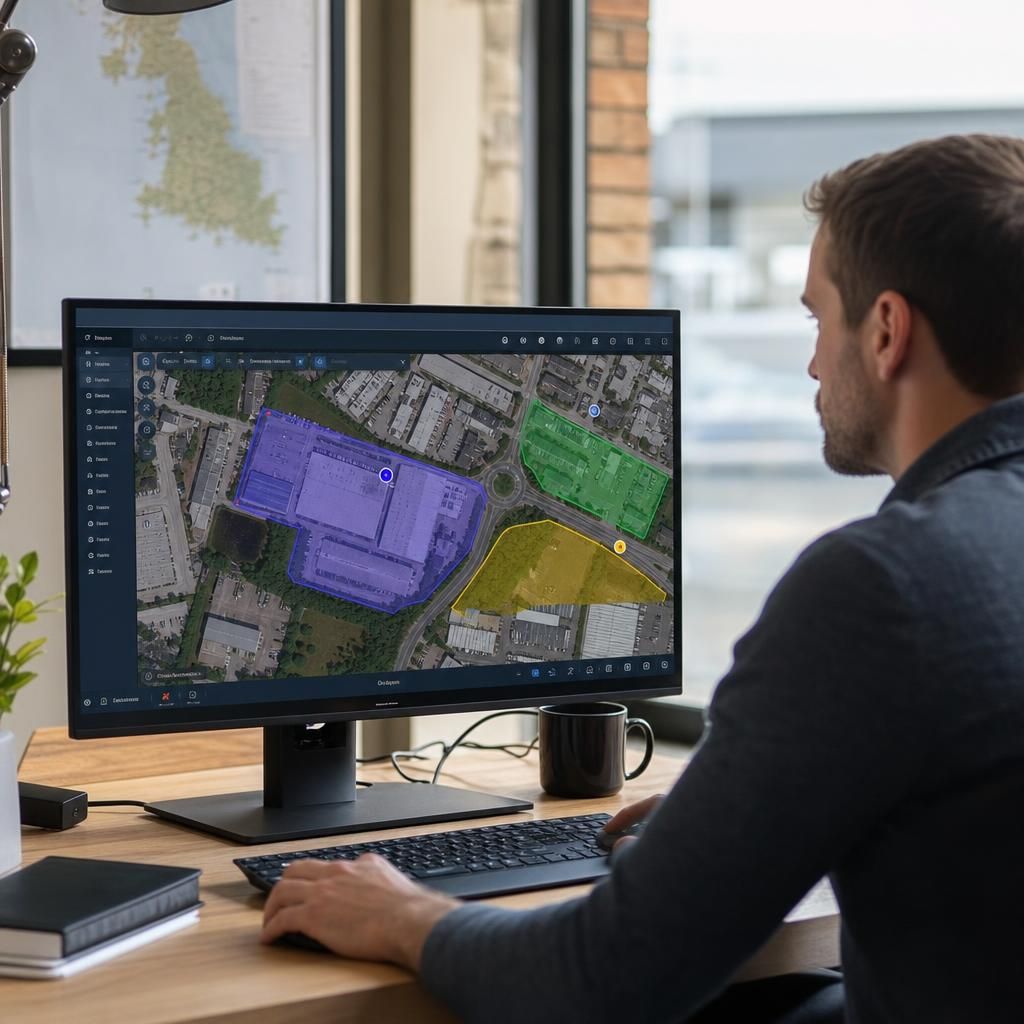
Geofencing for asset trackers involves creating virtual boundaries or zones using GPS technology to monitor asset location and movement. When an asset crosses these predefined areas, alerts are triggered, enabling businesses to react swiftly to unauthorised movements, ensuring enhanced security and operational efficiency.
Verified Success
98% of businesses report improved asset security and fleet management efficiency using geofencing technology in their operations.
Advantages of Geofencing in Asset Tracking
Geofencing for asset trackers is a cutting-edge technology that involves the creation of virtual geographic boundaries around specific areas. Utilising GPS and RFID technology, geofencing allows businesses to monitor the location and movement of their assets in real-time. When an asset enters or exits these predefined boundaries, instant alerts are generated, providing businesses with timely information to make informed decisions about asset management and security. This proactive approach helps mitigate risks associated with unauthorised use or theft.
The primary benefit of geofencing in asset tracking is its ability to enhance security measures. By setting up these virtual perimeters, companies can ensure that assets remain within designated areas, reducing the likelihood of loss or unauthorised movement. Geofencing also enables businesses to streamline operations by automating certain processes, such as triggering alerts when maintenance is due or when an asset enters a specific location related to its logistical requirements.
Geofencing technology is versatile and can be tailored to suit the specific needs of different industries. Whether it is used for fleet management, equipment monitoring, or securing high-value assets, geofencing offers scalable solutions to enhance operational efficiency. Businesses can integrate geofencing into their existing systems, facilitating better oversight and control over their mobile assets. As a result, companies can focus resources on growth and innovation, knowing their assets are protected and efficiently managed.
Trust in Aces GPS: Your Partner in Secure Asset Management
Geofencing is a technological innovation that involves setting virtual boundaries around predetermined areas using GPS signals. This system is crucial in asset management, providing a framework for monitoring asset movements and ensuring they remain within authorised zones. When assets cross these virtual fences, alerts are instantly triggered, enabling timely responses to potential security breaches.
In the realm of asset tracking, geofencing offers businesses the capability to enhance their security protocols significantly. By implementing these digital perimeters, companies can prevent unauthorised asset movement and mitigate risks associated with theft or misplacement. This proactive security measure aids in maintaining a protected environment for valuable assets.
Geofencing is applicable across various industries, offering flexible solutions tailored to specific operational needs. Whether utilised for monitoring company fleets or safeguarding high-value equipment, this technology supports efficient asset management and operational control. By integrating geofencing into existing systems, businesses can achieve greater efficiency and assurance in their asset management strategies.
Premium Geofencing Solutions for Asset Protection
Geofencing is a technology that utilises GPS or RFID to establish virtual boundaries for monitoring assets. When an asset crosses these invisible zones, automatic alerts are sent, allowing for immediate action. This tool is essential in maintaining real-time security and enhancing operational efficiency for businesses managing valuable mobile assets.
In practical terms, geofencing aids businesses across various industries by offering real-time tracking and control over asset movement. Its versatility is evident in applications like fleet management, where geofencing ensures vehicles remain within predetermined routes, thereby improving logistical planning and reducing the risk of asset theft or unauthorised use.
Enhanced Security Controls
Implement geofencing to bolster asset security by defining virtual perimeters that trigger alerts upon unauthorised boundary breaches.
Real-Time Monitoring
Monitor the precise location of assets in real-time, allowing for immediate response and improved operational oversight.
Customisable Solutions
Tailor geofencing parameters to suit various operational requirements, ensuring flexibility and compatibility with diverse industry needs.
Operational Efficiency
Automate alerts and processes through geofencing to streamline operations and reduce manual monitoring efforts.
Geographic Versatility
Utilise geofencing across different terrains and locations, adaptable to urban and rural environments alike.
Detailed Reporting
Access comprehensive reports on asset movements and boundary violations to enhance analytical capabilities and strategic planning.
Prevent Theft and Misplacement
Strengthen theft prevention measures by confining assets within secure zones and receiving instant alerts upon unauthorised movement.
Collaborative Asset Management
Facilitate effective teamwork in asset management by providing shared geofencing information for team-wide visibility and coordination.
Common Questions About Geofencing for Asset Trackers
How does geofencing technology enhance operational efficiency in fleet management?
Geofencing uses GPS technology to create virtual perimeters around geographic areas. When assets cross these boundaries, instant alerts are triggered, enabling businesses to efficiently manage asset security and location compliance.
What industries can benefit the most from implementing geofencing technology in asset management?
Geofencing is crucial in logistics, transportation, construction, and agriculture, enhancing asset security and operational efficiency by monitoring equipment, vehicles, and valuable assets in real-time within predefined geographic areas.
How does geofencing technology help in preventing theft and unauthorised access to assets?
Geofencing sets digital boundaries using GPS, triggering alerts when assets leave designated zones, allowing businesses to act immediately, reducing theft risks and ensuring assets remain secure within set perimeters.
How can businesses integrate geofencing technology into their existing asset management systems?
Use API integrations to incorporate geofencing into asset management systems, enabling seamless communication between devices. Ensure compatibility with existing software and train staff on operational protocols for effective deployment.
What are the key features to look for when selecting a geofencing tracker for asset management?
Select a geofencing tracker with real-time tracking, customisable zone settings, and reliable alert systems. Ensure compatibility with existing systems and prioritise robust security features to safeguard valuable assets.
Enhanced Security
Secure your assets with geofencing technology, ensuring real-time alerts and effective monitoring for enhanced operational security and efficiency.
Essential Questions on Geofencing for Asset Trackers
How does geofencing technology integrate with existing asset management systems to improve operational efficiency?
Geofencing works by using GPS technology to create virtual boundaries, triggering alerts when assets cross them. This ensures timely management of unauthorised movements, enhancing asset security and operational control.
What are the potential challenges and limitations of implementing geofencing for asset tracking?
Implementing geofencing can be hindered by technical issues, inaccurate GPS data, and privacy concerns. Reliable integration with existing systems is vital to address these challenges effectively.
How can geofencing technology be customised to accommodate industry-specific asset tracking requirements?
Geofencing can be tailored with industry-specific parameters, such as custom zone configurations and alert settings, aligning with unique operational needs and ensuring effective asset monitoring and security management.
What steps are necessary to ensure the accuracy and reliability of geofencing alerts in asset tracking systems?
Implement regular system checks, ensure high-quality GPS hardware, and update software consistently to maintain geofencing accuracy and reliability, preventing false alerts and ensuring responsive asset management.
What are the key factors to consider when determining the optimal geofencing boundaries for effective asset monitoring?
Consider asset size, location accessibility, movement patterns, and technological feasibility when setting geofencing boundaries, ensuring optimal monitoring and security while minimising false alerts.