
Fleet GPS Tracking Solutions
Fleet GPS tracking solutions utilise cutting-edge technology to monitor and manage vehicle fleets in real-time. These systems provide businesses with precise location data, enhancing fleet management and ensuring asset security. They support improved operational efficiency by streamlining logistics and delivery processes.
Explore the Impact of Fleet GPS Tracking

Enhanced Fleet Management
Implementing GPS tracking technology enables businesses to manage their fleets more effectively by providing real-time data on vehicle locations, speed, and routes. This information aids in strategic decision-making, ensuring that fleets are operating at optimal capacity.

Improved Asset Security
GPS tracking systems enhance the security of valuable assets by offering features such as geofencing, which alerts managers when a vehicle crosses pre-set boundaries. This capability is critical for preventing theft and ensuring the safe transport of goods.

Efficient Route Planning
With GPS tracking, businesses can plan and optimise routes, reducing unnecessary mileage and travel time. This results not only in lower fuel costs but also in timely deliveries, making operations more efficient.

Monitoring Driver Behaviour
Advanced tracking systems provide insights into driver behaviour by recording data on speed, harsh braking, and acceleration. This information helps in promoting safer driving practices and reducing the risk of accidents.

Real-Time Data Monitoring
Real-time monitoring of fleet activities allows fleet managers to stay updated on vehicle statuses instantly. This immediate access to data assists in quick decision-making and ensures smooth fleet operation.
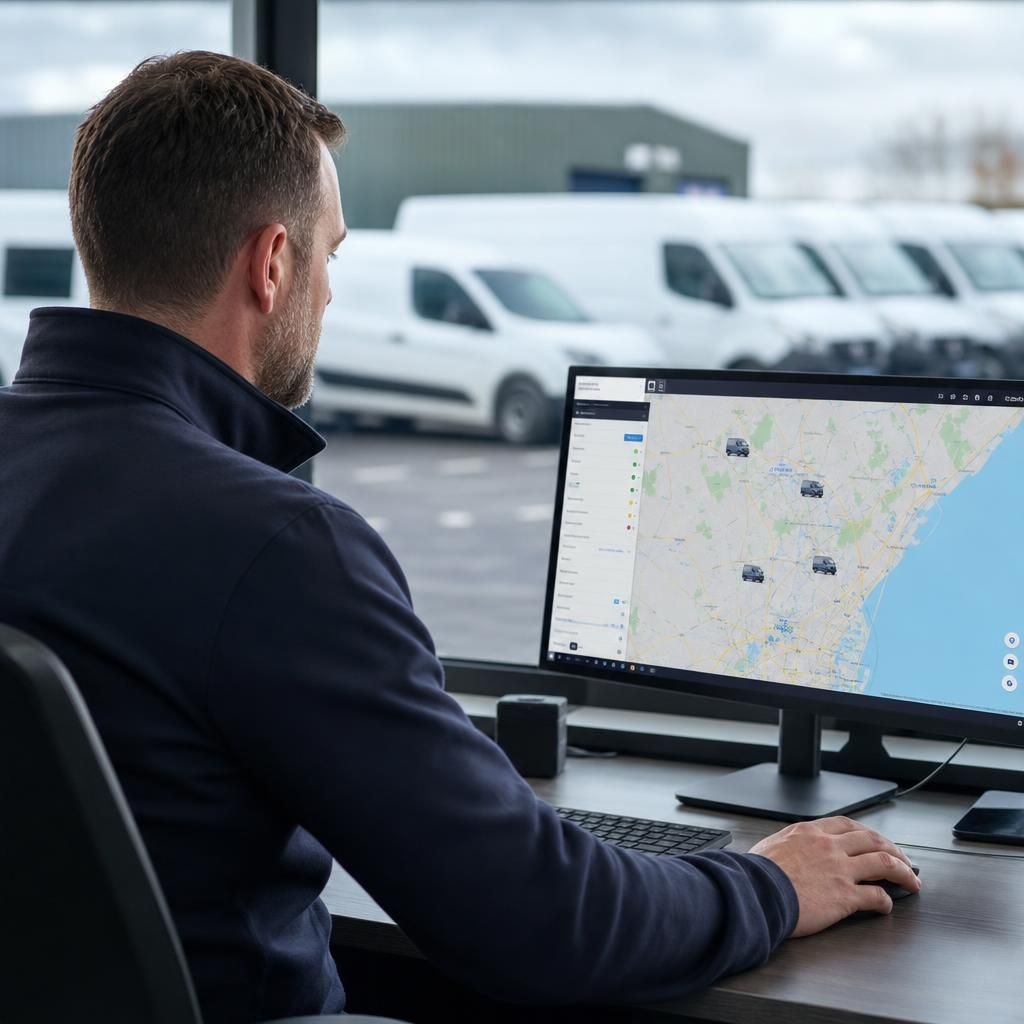
Increased Fuel Efficiency
By analysing the data provided by GPS tracking systems, businesses can identify patterns that contribute to excess fuel consumption, allowing them to implement strategies that enhance fuel efficiency.
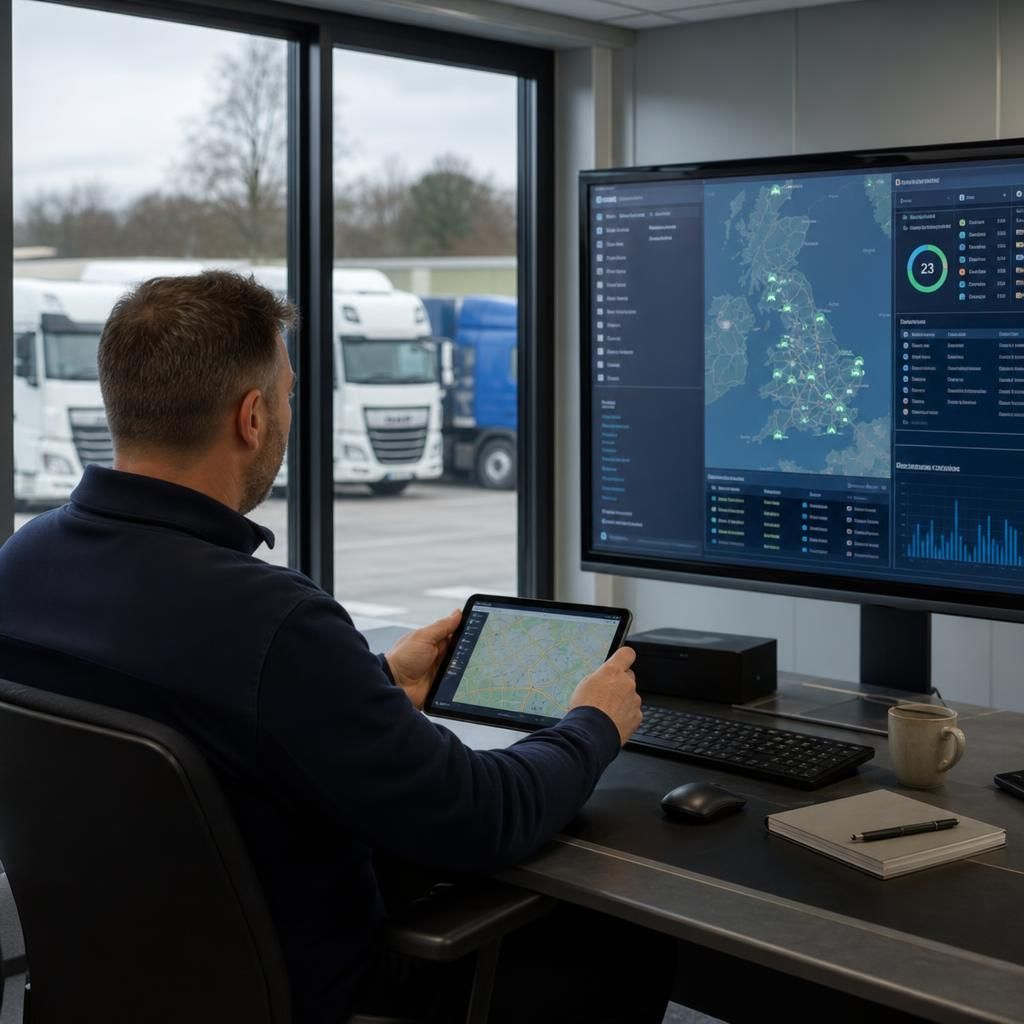
Scalability Across Industries
GPS tracking solutions are scalable and can be tailored to meet the specific needs of various industries, from logistics and transportation to construction. This flexibility ensures that businesses of all sizes and sectors can benefit from enhanced control over their assets.
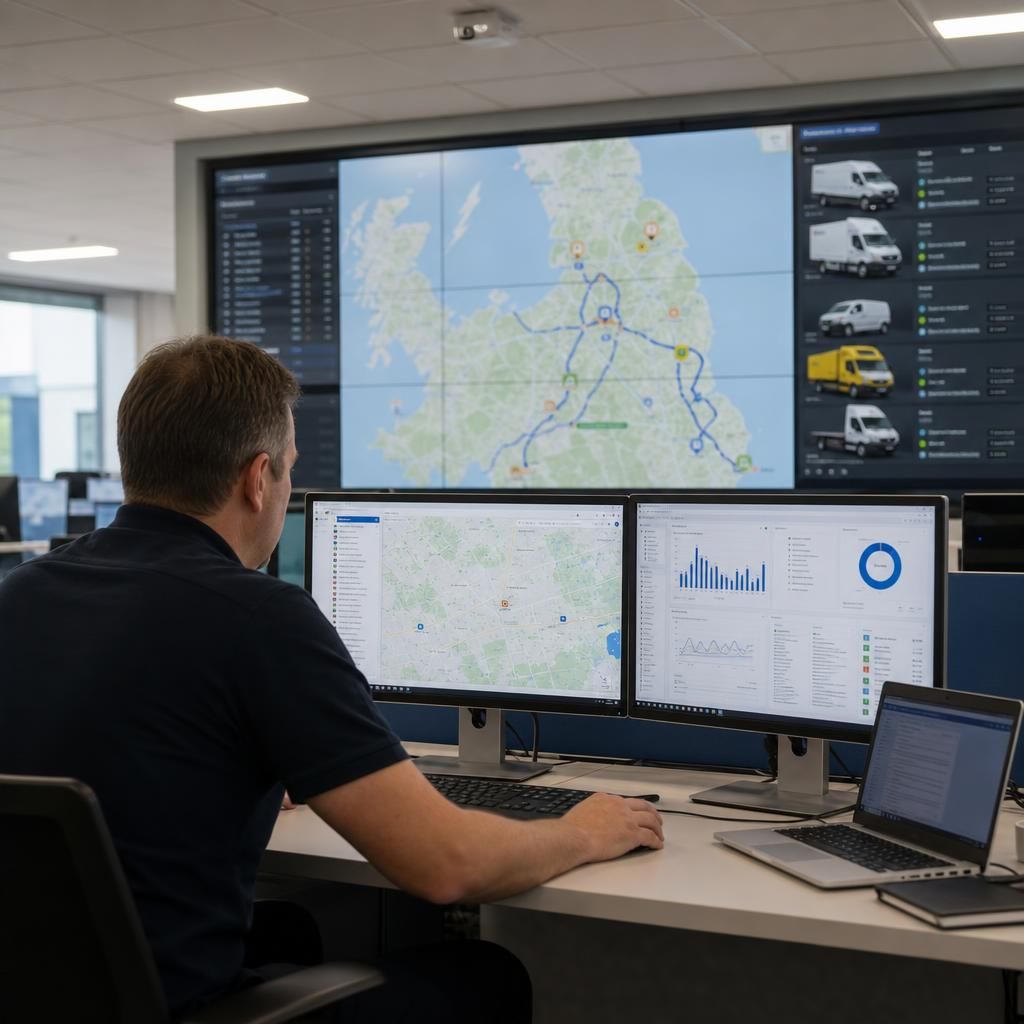
Integration with Telematics
The integration of GPS tracking with telematics systems provides a comprehensive view of vehicle health, including diagnostic trouble codes and maintenance alerts, thereby minimising downtime and enhancing operational efficiency.

Regulatory Compliance
GPS tracking systems assist businesses in maintaining compliance with regulatory requirements by accurately tracking hours of service and ensuring adherence to legal operating guidelines.
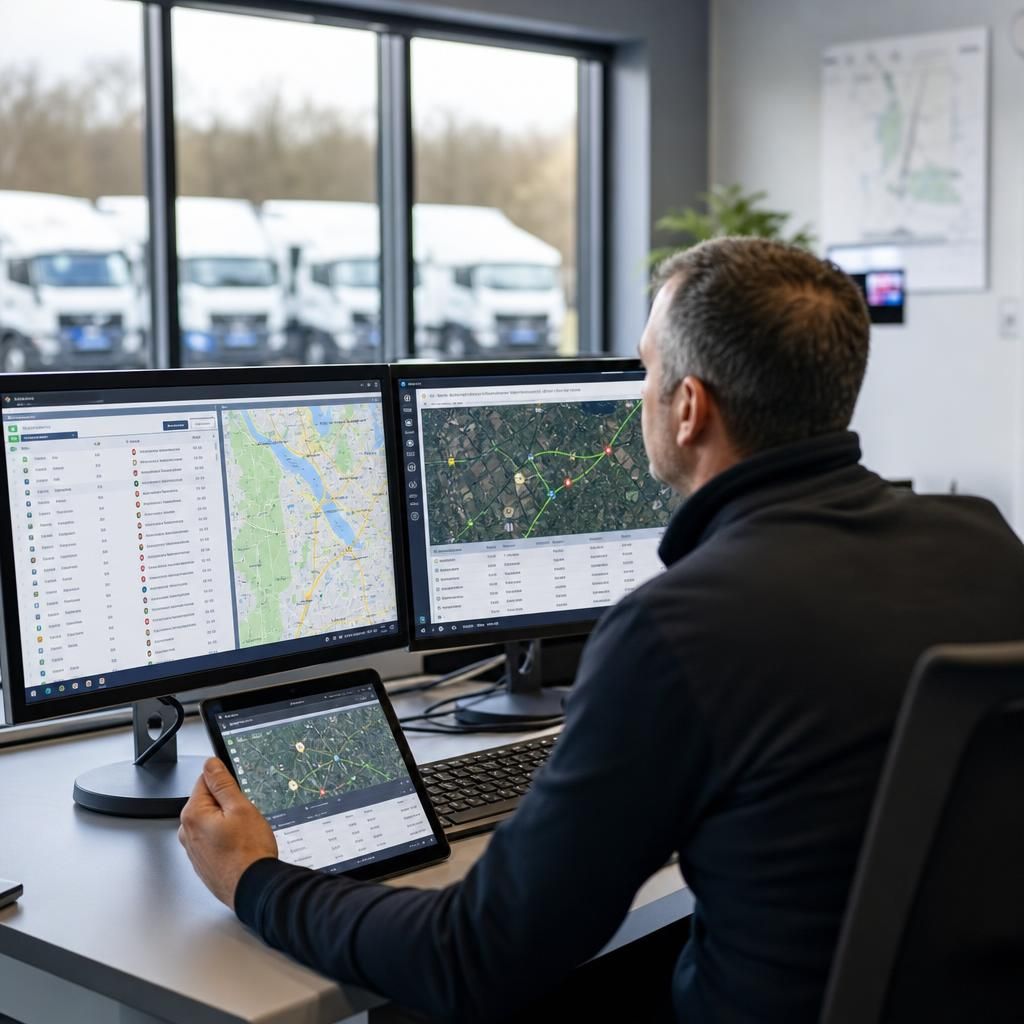
Advancements in Tracking Technology
Continuous advancements in GPS technology provide businesses with more detailed insights and reporting capabilities, enabling them to maintain a competitive edge in fleet and asset management.
Key Considerations When Selecting Fleet GPS Tracking Solutions
Fleet GPS tracking involves using satellite and cellular networks to monitor the precise location of vehicles within a fleet in real-time. These systems integrate GPS technology with onboard devices installed in each vehicle to provide comprehensive insights into fleet movements and activities. This information aids businesses in optimising routes, reducing fuel consumption, and improving delivery times. Different systems offer varying functionalities, including real-time tracking, historical data analysis, and driver behaviour monitoring, allowing businesses to select the features that align with their operational objectives and industry requirements.
When deciding on a fleet GPS tracking solution, businesses must assess key factors such as scalability, ease of integration with existing fleet management software, and the specific data needs of their operations. It is crucial to ensure the chosen system is compliant with any regulatory requirements in the UK, particularly those related to data privacy and security. By comparing the capabilities of different systems, companies can ensure their selected solution not only meets current needs but can also evolve with future growth, ultimately leading to improved asset utilisation and operational efficiency.
Scalability and Flexibility of GPS Systems
A scalable GPS tracking solution is essential for businesses looking to expand their fleet operations without interruption. Scalability ensures continued efficiency as your company grows.
Understanding Scalability in Fleet GPS Tracking
Scalability in GPS tracking refers to the ability of the system to expand alongside your fleet growth. A scalable solution can handle additional vehicles without significant changes to infrastructure or investment, making it cost-efficient. Flexible systems also allow for custom features to be added, ensuring that the GPS solution evolves with your operational needs. The right scalable system can adapt to changes in industry requirements and technology advancements, securing long-term utility.
Data Security and Compliance
Data security in GPS tracking systems is crucial, particularly for businesses operating in sensitive or regulated environments. Understanding compliance requirements ensures legal and ethical data handling.
Ensuring Compliance and Data Security
UK businesses must adhere to data protection regulations such as GDPR when implementing GPS tracking. This involves secure data storage, encryption, and limited access to sensitive information. Compliance not only protects the company legally but also builds trust with clients and stakeholders. Choosing a system with robust data security protocols helps maintain privacy and prevent unauthorized access to fleet information.
Integration with Existing Systems
Effective integration of GPS tracking solutions with existing fleet management systems can improve operational efficiency. Evaluating compatibility is crucial for seamless implementation.
Evaluating GPS System Integration
When integrating a GPS tracking system, ensure that it can communicate effectively with current fleet management software. This involves assessing technical compatibility and the ease with which data can be consolidated. Look for systems offering open APIs or pre-configured integrations with popular management tools. Well-integrated systems facilitate unified data analysis, streamline processes, and provide a more comprehensive view of fleet operations.
Real-Time Tracking vs. Historical Data Analysis
Deciding between real-time tracking and historical data analysis depends on the specific needs of your fleet operations. Both options offer distinct advantages.
Choosing the Right Data Tracking Solution
Real-time tracking provides immediate location updates, crucial for businesses requiring constant fleet visibility and quick decision-making in dynamic environments. In contrast, historical data analysis offers insights into past fleet performance, useful for long-term strategic planning and identifying patterns in driver behaviour. An ideal solution may include both capabilities, allowing for proactive management and strategic analysis.
Cost Considerations for Fleet GPS Tracking
Understanding the cost implications of adopting a GPS tracking solution is essential for budgeting and securing return on investment. Costs can vary widely based on features and scale.
Factors Influencing GPS Tracking Costs
Costs for GPS tracking systems are influenced by factors such as the number of vehicles, the level of detail in tracking, and added functionalities like telematics integration. Initial setup fees, hardware costs, and subscription models also impact the overall investment. Weighing these costs against potential savings from improved efficiency and reduced fuel consumption can help determine the financial viability of different tracking solutions.
Common Questions About Fleet GPS Tracking
What are the main benefits of using GPS tracking systems for fleet management?
Fleet GPS tracking utilises satellite and cellular networks to provide real-time vehicle location data, ensuring businesses can monitor movements, optimise routes, reduce fuel costs, and improve driver safety.
How does GPS tracking improve fleet safety and security?
GPS tracking enhances fleet safety and security by offering real-time monitoring, enabling rapid response to emergencies and theft. It detects unauthorised vehicle use and provides valuable data for accident analysis.
What factors should businesses consider when selecting a fleet GPS tracking system?
Evaluate the system's scalability, integration capabilities, data privacy compliance, user-friendliness, and ability to meet specific industry needs for effective fleet management and asset tracking.
What is the role of telematics in fleet GPS tracking systems?
Telematics integrates telecommunications and informatics to analyse vehicle data, enhancing GPS tracking with insights into engine diagnostics, driver behaviour, and fuel usage, thus improving operational efficiency and fleet management.
How can GPS tracking systems enhance route optimisation for fleets?
GPS tracking systems improve route optimisation by analysing real-time traffic data, road conditions, and vehicle performance metrics. This ensures efficient route planning, reduces travel time, and decreases fuel consumption.
Key Considerations for Fleet GPS Tracking Solutions
Fleet GPS tracking systems employ advanced satellite and cellular technology to monitor vehicle locations and performance in real-time. These solutions enhance fleet operations by optimising routes, ensuring timely deliveries, and improving asset utilisation while maintaining compliance with UK regulations.
Real-Time Tracking
Fleet GPS tracking systems provide real-time updates on vehicle movements, allowing businesses to monitor their fleet's exact positions at any moment. This capability helps optimise routes and improve delivery efficiency.
Geofencing Capabilities
Geofencing enables the creation of virtual boundaries for vehicles, triggering alerts when a vehicle enters or exits predefined zones. This feature enhances security and helps manage fleet operations better.
Data Analytics
Advanced analytics provided by GPS tracking systems offer insights into driver behaviour, fuel consumption, and route efficiency. Data-driven decisions help improve fleet performance and reduce operational costs.
Enhanced Security
By using GPS tracking solutions, businesses can enhance asset security with features like theft detection and recovery assistance, ensuring their vehicles and goods remain safe.
Customisable Features
Flexible GPS tracking solutions allow customisation to meet specific business needs, such as scalable options for growing fleets and integration with existing software systems.
Compliance and Reporting
GPS tracking systems help businesses remain compliant with UK regulations by providing accurate and comprehensive reporting on fleet activities, ensuring adherence to legal requirements.
Driver Performance Monitoring
Monitoring driver behaviour through GPS systems can lead to improved safety and fuel efficiency. Identifying patterns helps in providing targeted training and rewards to drivers.
Proven Results
Research shows fleet GPS tracking reduces fuel costs by up to 15% by optimising routes and improving driving behaviour.
Key Questions to Ask Before Choosing a Fleet GPS Tracking System
What integration capabilities does the fleet GPS tracking system offer with existing fleet management software?
Consider system scalability and integration with existing fleet management tools to ensure seamless operations and accommodate future growth while maintaining compliance with UK data privacy and security regulations.
How does the fleet GPS tracking system enhance driver behaviour management and ensure compliance with UK regulations?
By offering features like driving behaviour analysis and automated compliance reporting, fleet GPS tracking systems ensure adherence to legal requirements and foster safer driving habits, improving overall fleet safety and efficiency.
What are the data security measures embedded in the fleet GPS tracking systems to protect sensitive information?
Fleet GPS tracking systems employ encryption, user authentication, and secure data transmission protocols to protect sensitive information, ensuring business data is safeguarded against unauthorised access and potential breaches.
What type of customer support and training does the fleet GPS tracking system provider offer for users?
Comprehensive customer support includes training sessions, troubleshooting assistance, and regular updates, ensuring users can effectively utilise fleet GPS tracking tools to enhance operational efficiency and achieve business objectives.
How does the fleet GPS tracking system handle real-time analytics and reporting?
By offering real-time analytics and customisable reports, fleet GPS tracking systems provide insights into vehicle performance, route optimisation, and operational trends, enabling businesses to make data-driven decisions and enhance efficiency.