Fleet Control & Risk Management
Fleet Control & Risk Management focuses on using advanced GPS tracking and telematics to provide businesses with accurate real-time data on vehicle locations and operations. This approach enhances decision-making, optimises routing, reduces downtime, and mitigates risks associated with fleet operations.
Imagining Enhanced Fleet Control and Risk Mitigation
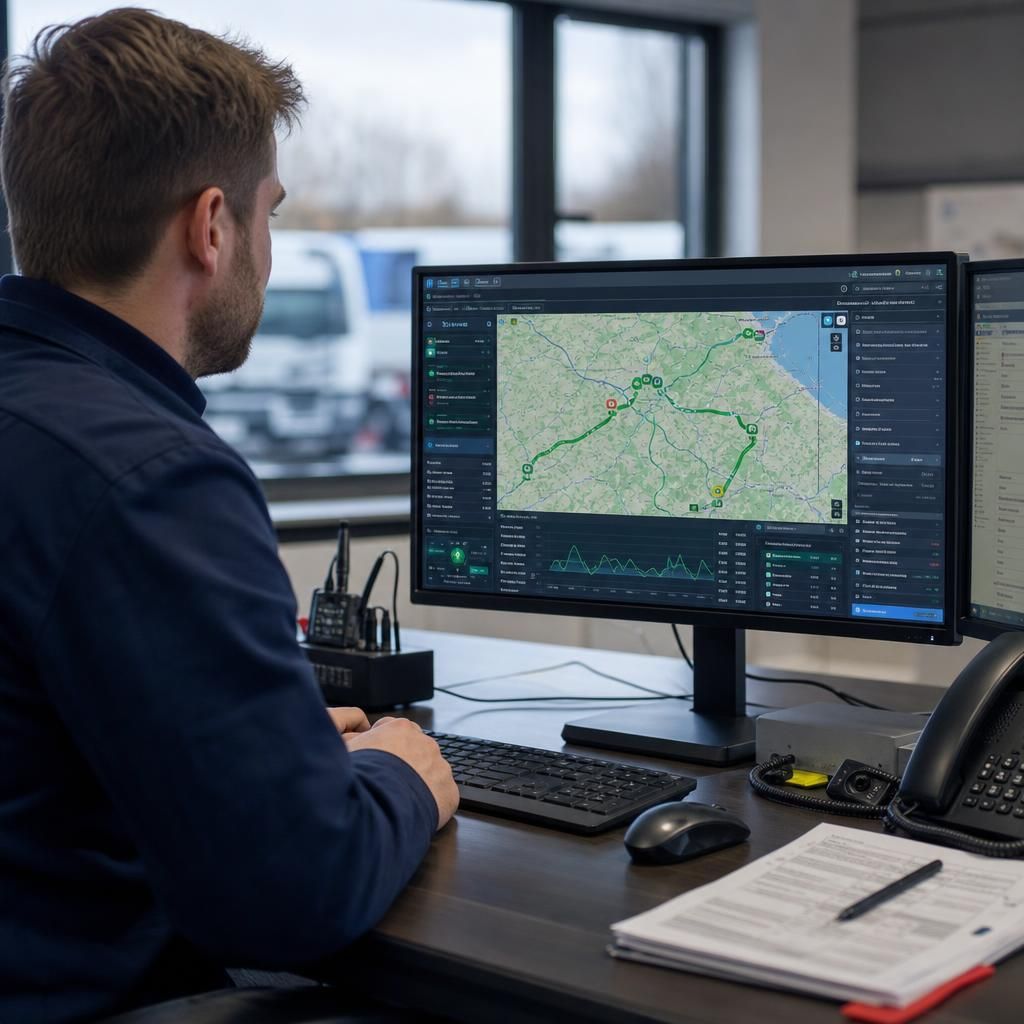
Real-Time Data Access
Gain immediate insights into your fleet's status with real-time GPS tracking, allowing for rapid adjustments to routes and schedules to maximise efficiency.
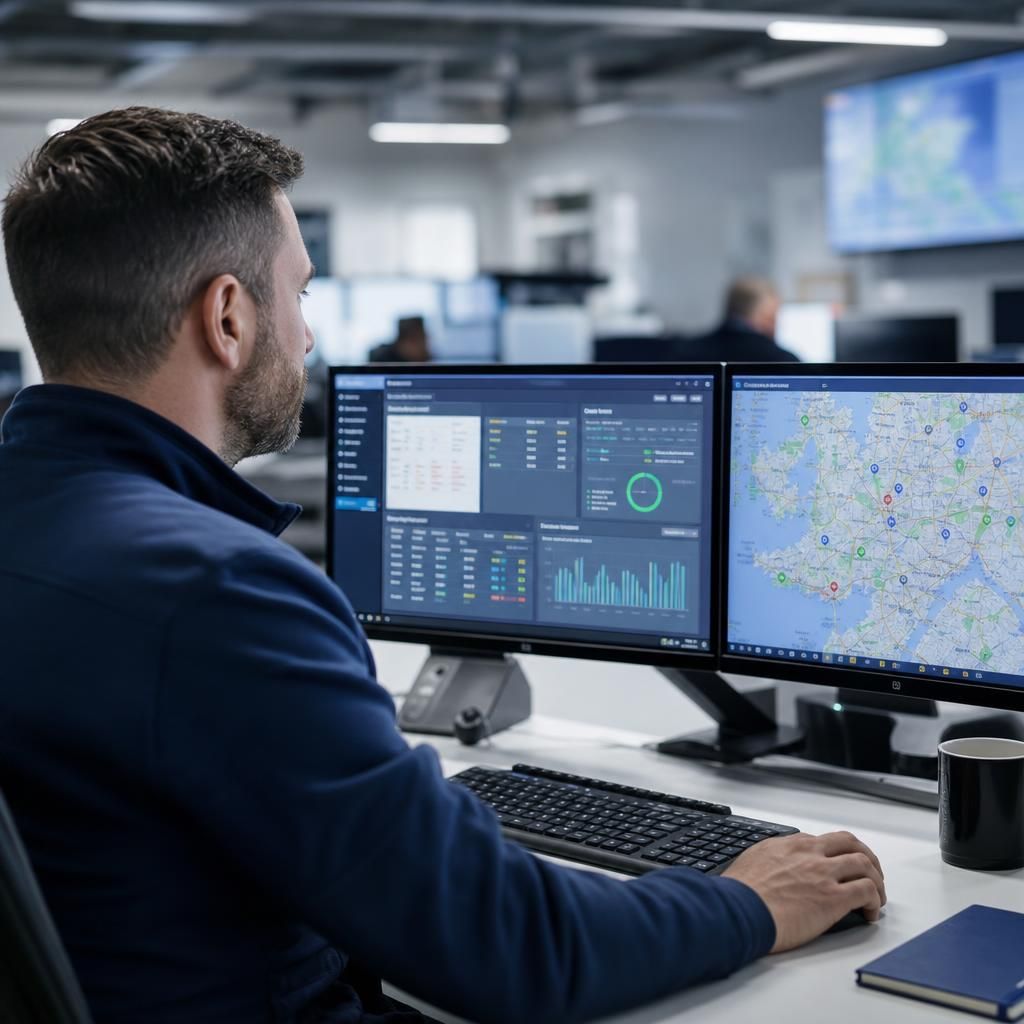
Enhanced Asset Security
Protect your valuable assets with constant location monitoring. Telematics systems provide alerts for unauthorised movements, offering peace of mind and robust asset security.
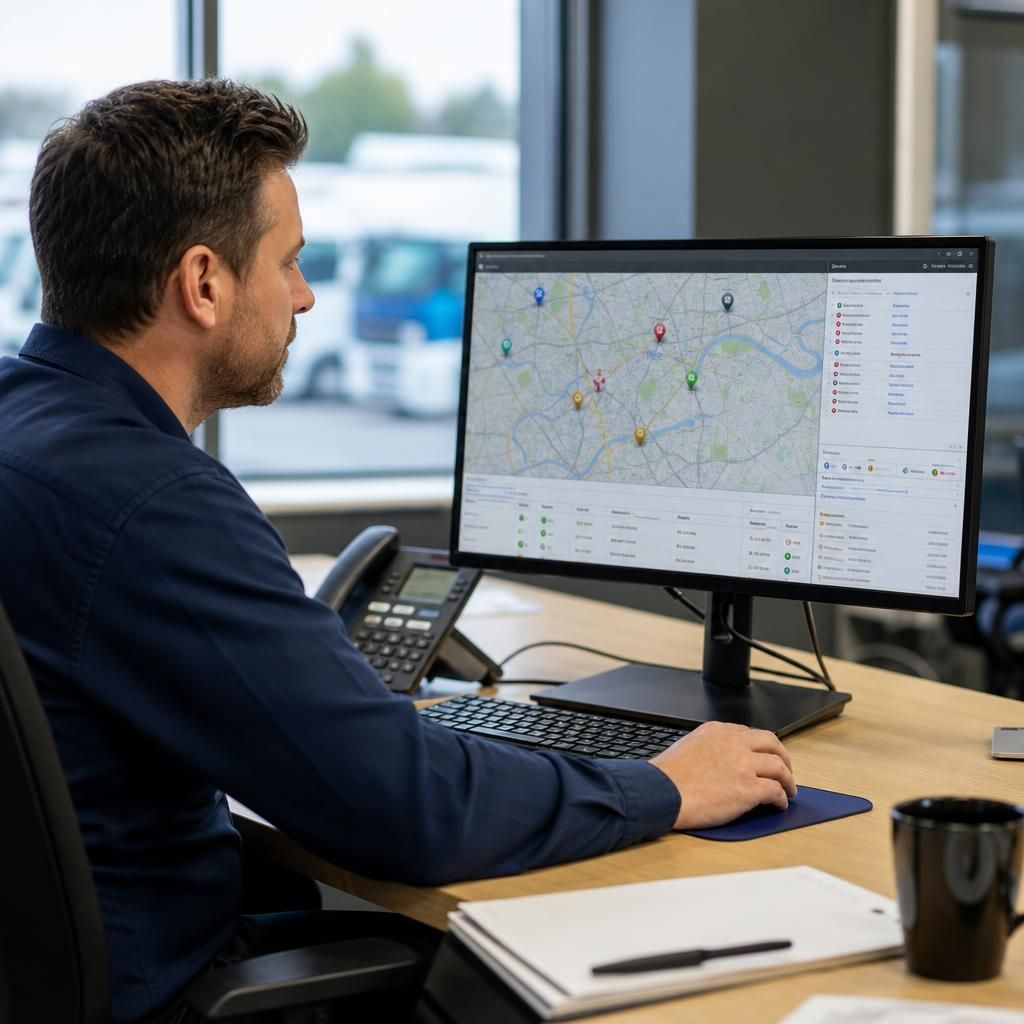
Improved Route Optimisation
Utilise advanced tracking data to refine route planning, reducing travel times and fuel consumption, ultimately cutting operational costs and carbon emissions.
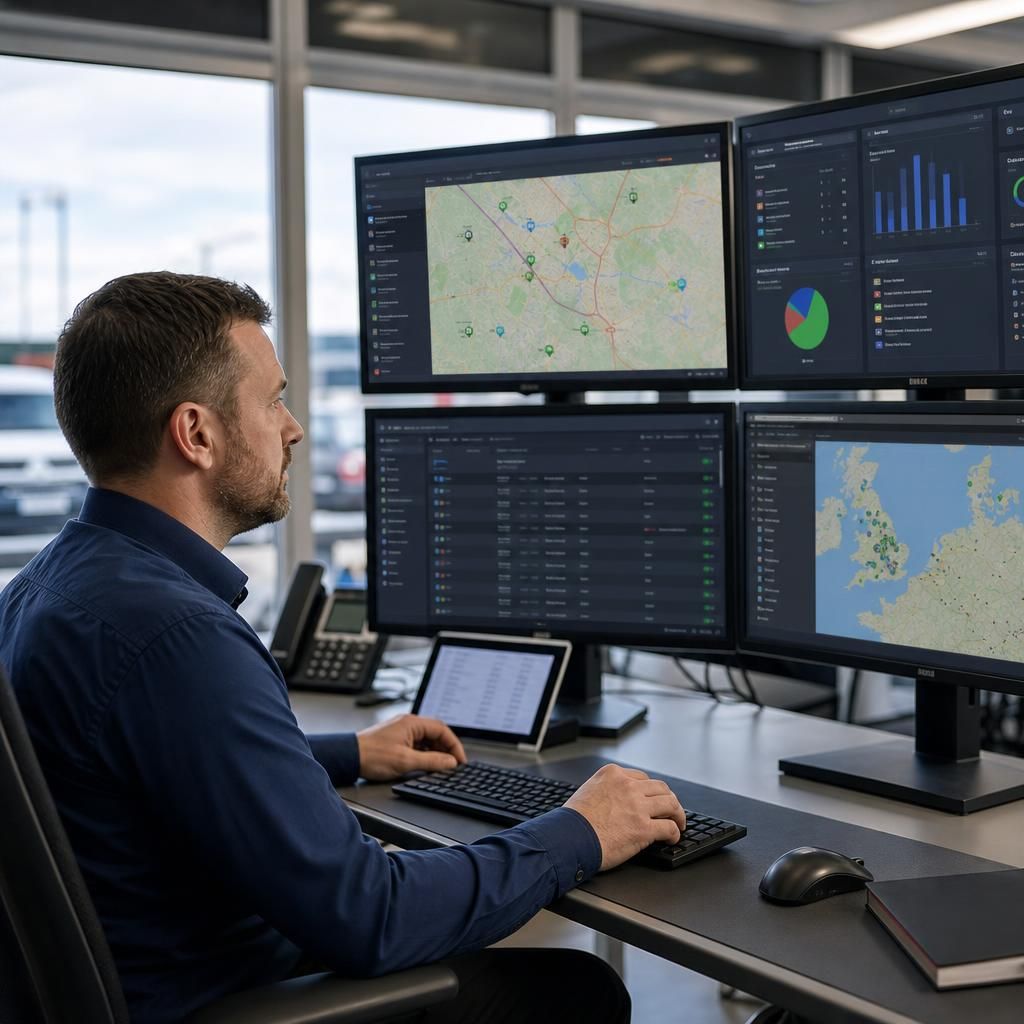
Comprehensive Risk Analysis
Analyse patterns in vehicle performance and driver behaviour to preemptively address risks, ensuring safer fleet operations and reducing the probability of incidents.
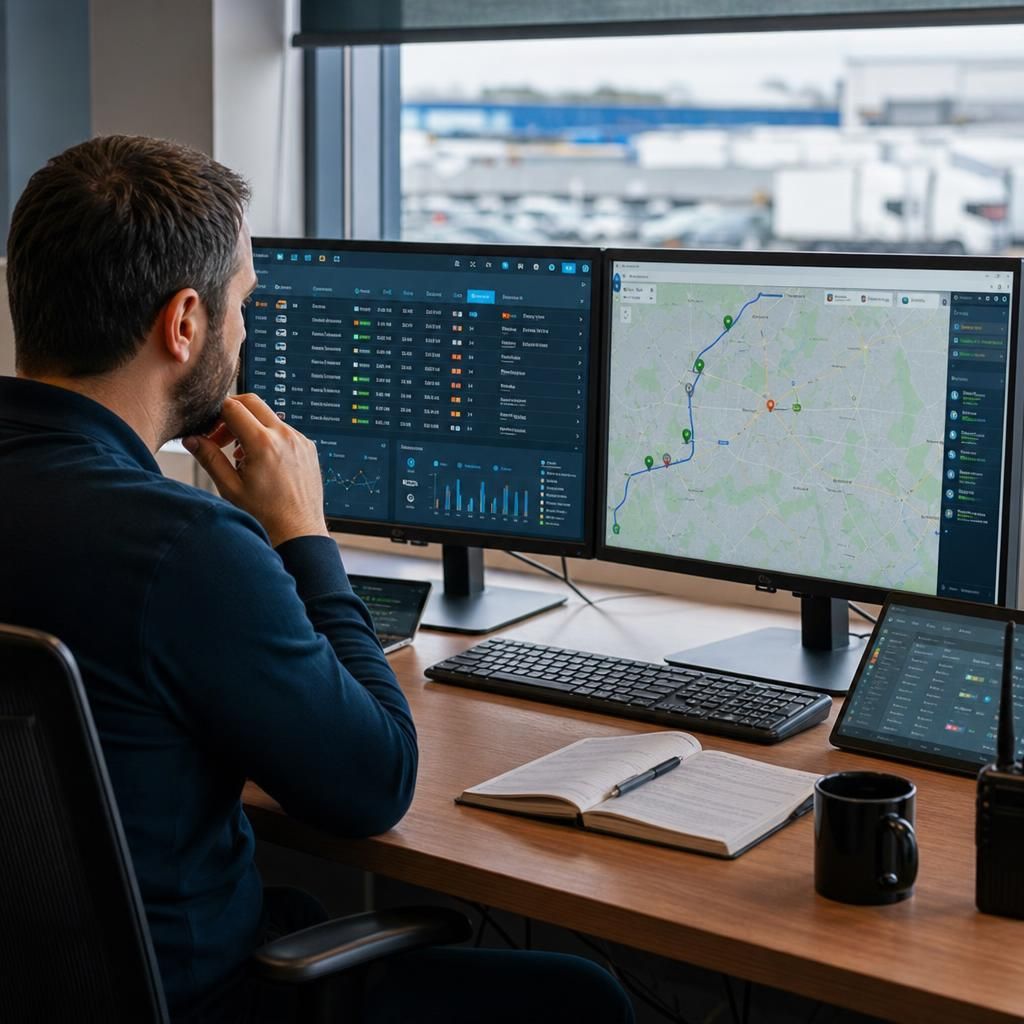
Proactive Maintenance Scheduling
Utilise telematics data to schedule timely maintenance, preventing breakdowns and ensuring vehicles are kept in optimum condition to avoid unexpected delays.
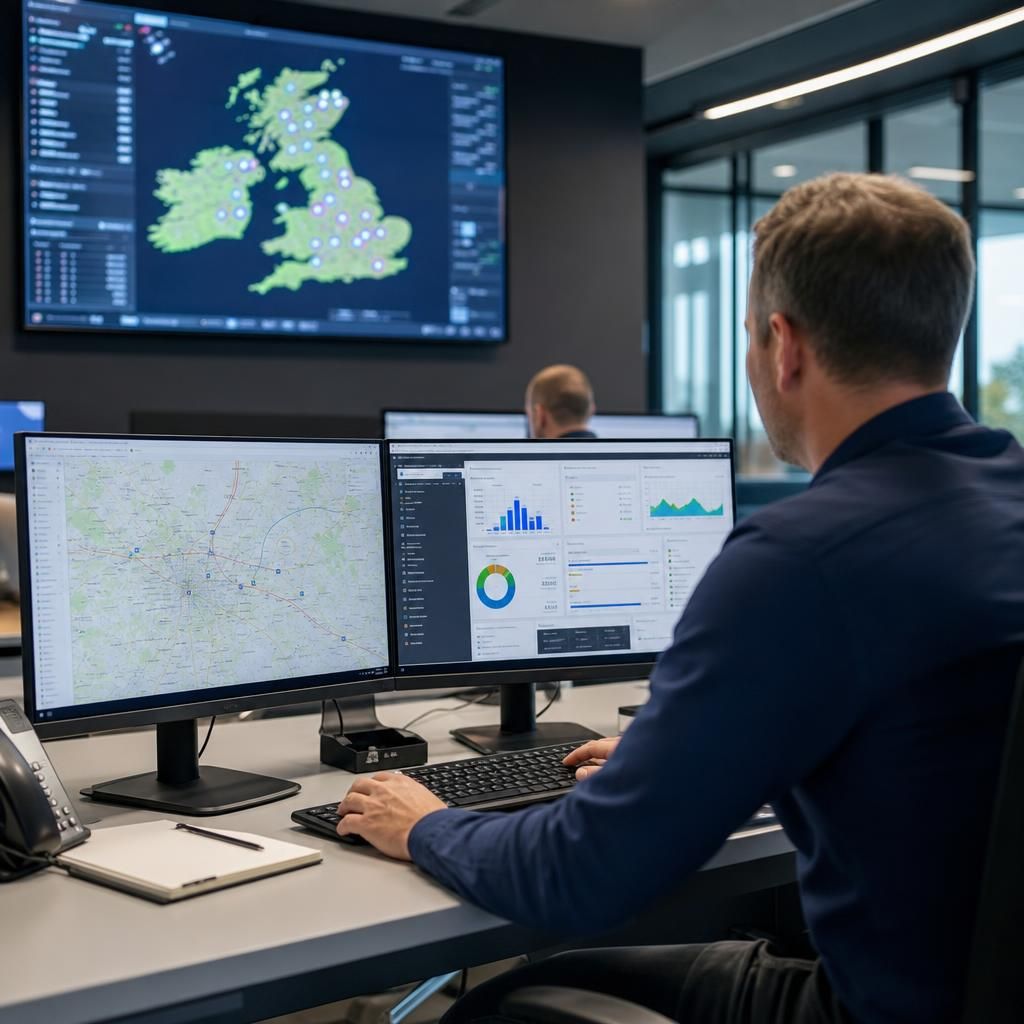
Boost Operational Efficiency
Streamline fleet management with GPS insights, improving resource allocation and contributing to seamless business operations across all departments.
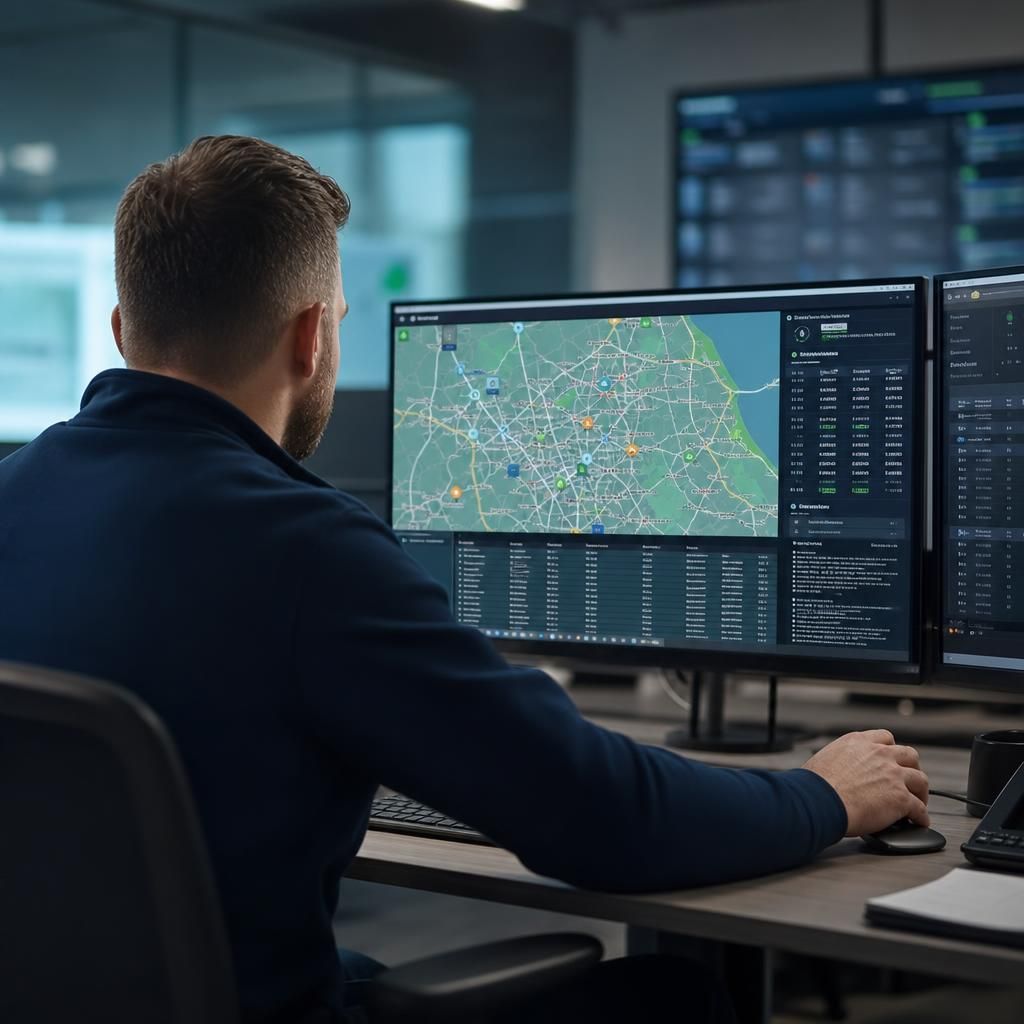
Driver Behaviour Monitoring
Monitor and improve driver behaviour with insights into driving patterns, enhancing safety protocols and reducing accident-related costs.
Key Considerations for Fleet Control and Risk Insights
Fleet control and risk insights are integral components of modern vehicle management, providing businesses with the tools needed to oversee fleets effectively. These systems utilise advanced GPS tracking and telematics technology to deliver precise real-time data on vehicle locations, enhancing decision-making capabilities by offering a comprehensive view of fleet operations. By understanding and applying these insights, businesses can streamline route optimisation, minimise vehicle downtime, and ensure operational efficiency. This analytical approach empowers fleet managers to address logistical challenges proactively and make informed decisions to bolster the overall productivity of their mobile assets.
Incorporating risk insights into fleet management allows organisations to identify and mitigate potential hazards before they escalate into severe issues. By examining vehicle usage patterns, performance data, and incident reports, companies can anticipate maintenance requirements and address safety concerns promptly. Moreover, insights into driver behaviour and external environmental factors enable the implementation of robust risk management strategies. These strategies help reduce the probability of accidents or security breaches, safeguarding both assets and personnel. Ultimately, the effective use of fleet control and risk insights is pivotal to maintaining asset security and ensuring uninterrupted business operations.
Understanding Fleet Tracking Systems
Fleet tracking systems leverage GPS and telematics technology to provide a holistic overview of vehicle movements and statuses.
Technology and Functionality
Advanced systems use GPS satellites and telematics devices to gather data, such as location, speed, and engine diagnostics, allowing for real-time monitoring and analysis.
Data-Driven Decision Making
Utilising data from tracking systems enables businesses to make informed decisions regarding their fleet operations.
Leveraging Analytics for Operational Efficiency
Analysis of collected data supports route optimisation, reduces fuel consumption, and enhances overall fleet productivity. Implementing data-driven strategies reduces costs and improves margins.
Implementing Risk Management Strategies
Risk management is essential for maintaining safety and reducing liability in fleet operations.
Identifying and Mitigating Risks
Telematics provide insights into driver behaviour and vehicle conditions, allowing managers to pre-emptively address potential threats and implement strategies such as driver training or predictive maintenance.
Compliance and Reporting
Maintaining compliance with regulations and internal standards is crucial for fleet operations.
Ensuring Adherence through Automated Reporting
Automated systems generate reports on vehicle inspections, driver hours, and other regulatory requirements, simplifying compliance management and reducing administrative burden.
Scalability of GPS Systems
Scalability is a key consideration for businesses looking to expand their fleet operations.
Expanding Fleet Monitoring Capabilities
Modern GPS systems offer scalable solutions to accommodate increasing numbers of vehicles, ensuring seamless integration and consistent performance as business needs grow.
Cost Implications of Fleet Management Systems
Understanding the cost factors associated with fleet management systems is vital for budget planning.
Evaluating Return on Investment
While initial investments in hardware and software may be substantial, improvements in efficiency, reduced downtime, and enhanced security provide significant long-term savings.
Frequently Asked Questions on Fleet Control and Risk Insights
How can fleet control systems improve operational efficiency?
Fleet control uses GPS and telematics to provide real-time data on vehicle locations, enhancing visibility, operation effectiveness, and risk management by optimising routing and monitoring vehicle performance.
What role do telematics play in fleet risk management?
Telematics provide critical data, including vehicle diagnostics, driver behaviour, and routing efficiency, which aids in identifying risks, improving safety measures, and developing preventive strategies for effective fleet risk management.
How do GPS tracking systems enhance fleet security?
GPS tracking systems enhance fleet security by providing real-time location data, enabling quick response to theft, unauthorised use, and route deviations, thus safeguarding assets and ensuring operational integrity.
What are the key benefits of implementing a fleet control system?
Fleet control systems offer enhanced route efficiency, real-time tracking, reduced operational costs, increased safety, and improved asset utilisation, leading to streamlined fleet operations and effective risk management.
How can fleet risk insights improve asset security and operational safety?
Fleet risk insights enable proactive safety measures by analysing vehicle and driver data, predicting maintenance needs, detecting unsafe behaviours, and mitigating security threats, thus enhancing asset protection and operational safety.
Key Information for Fleet Managers
Fleet control entails leveraging GPS tracking and telematics systems to manage and monitor vehicle operations. This provides real-time data, facilitating informed decision-making for route optimisation, risk management, and asset security enhancement.
Real-Time Data Analysis
Real-time data analysis in fleet management ensures fleet managers can access up-to-date information about vehicle locations and conditions. This capability is crucial for making informed decisions quickly, optimizing routes, and reducing response times to incidents or delays.
Route Optimisation
Effective route optimisation leads to reduced fuel consumption and decreased operational costs. By utilising GPS tracking technology, businesses can streamline their routes, avoiding traffic congestion and roadworks, to enhance delivery speed and efficiency.
Asset Security
Ensuring asset security is a primary concern for fleet managers. Advanced GPS tracking systems provide the ability to monitor vehicle movements, detect unauthorised access, and promptly respond to security breaches, safeguarding valuable mobile assets.
Minimised Downtime
By leveraging telemetry data, fleet managers can predict maintenance needs and proactively address potential mechanical issues. This preventative approach minimises vehicle downtime and boosts fleet availability.
Driver Behaviour Insights
Monitoring driver behaviour provides insights into driving patterns and potential safety risks. By analysing this data, managers can implement corrective measures and training to improve driver safety and reduce the likelihood of accidents.
Telematics Integration
Telematics systems are integrated with GPS tracking to offer comprehensive insights into vehicle performance and usage. This integration supports the development of strategies for enhancing operational efficiency and reducing unnecessary expenses.
Risk Management Strategies
Developing effective risk management strategies involves analysing environmental and operational data to mitigate potential hazards. Fleet managers can use insights to establish robust safety protocols and emergency response plans.
Communication Enhancement
Strong communication channels facilitated by GPS and telematics systems enable seamless interaction between fleet managers and drivers, improving coordination and real-time updates essential for smooth operations.
Incident Response
Quickly responding to incidents is vital for maintaining operational continuity. GPS tracking allows for rapid identification and assessment of situations, ensuring that assistance can be dispatched promptly to minimise disruptions.
Proven Results
Implementing fleet control systems reduces fuel costs by 20% on average, enhancing operational efficiency and asset security significantly.
Essential Questions for Fleet Control & Risk Management
How can integrating risk insights from GPS tracking and telematics improve asset security and operational efficiency?
Advanced telematics and GPS tracking systems enhance fleet management by enabling real-time monitoring of vehicle locations, facilitating better route planning, improved fuel efficiency, and proactive maintenance scheduling for increased operational efficiency.
What role do driver behaviour analytics play in reducing fleet operational risks and enhancing vehicle safety?
Driver behaviour analytics provide insights into driving patterns, helping identify risky habits such as speeding or harsh braking. Addressing these can improve safety, reduce accidents, and enhance fleet performance.
How can leveraging telematics data optimise fleet routing and reduce operational costs?
Telematics data optimises fleet routing by analysing traffic patterns and vehicle performance, enabling efficient route planning. This reduces fuel consumption and travel time, lowering operational costs and improving overall fleet efficiency.
How does the integration of real-time data from telematics assist in predictive maintenance for fleets?
Real-time telematics data aids predictive maintenance by providing continuous insights into vehicle performance, identifying potential faults before they escalate, reducing downtime, and enhancing fleet reliability through timely repairs.
What are the benefits of using telematics data for enhancing compliance with fleet management regulations?
Utilising telematics data ensures compliance by offering real-time updates on vehicle regulations, monitoring driver hours, and maintaining accurate records, thereby reducing the risk of penalties and improving operational standards.