Track & Trace for Cargo
Track and trace in logistics cargo refers to the intricate process of monitoring and managing the movement of goods through the supply chain using advanced tracking technologies. These systems provide real-time data on the location and condition of cargo, crucial for enhancing logistics management. Businesses utilise track and trace solutions to ensure timely deliveries, safeguard assets, and optimise operational workflows across various distribution channels.
Visualise Enhanced Logistics with Real-Time Tracking
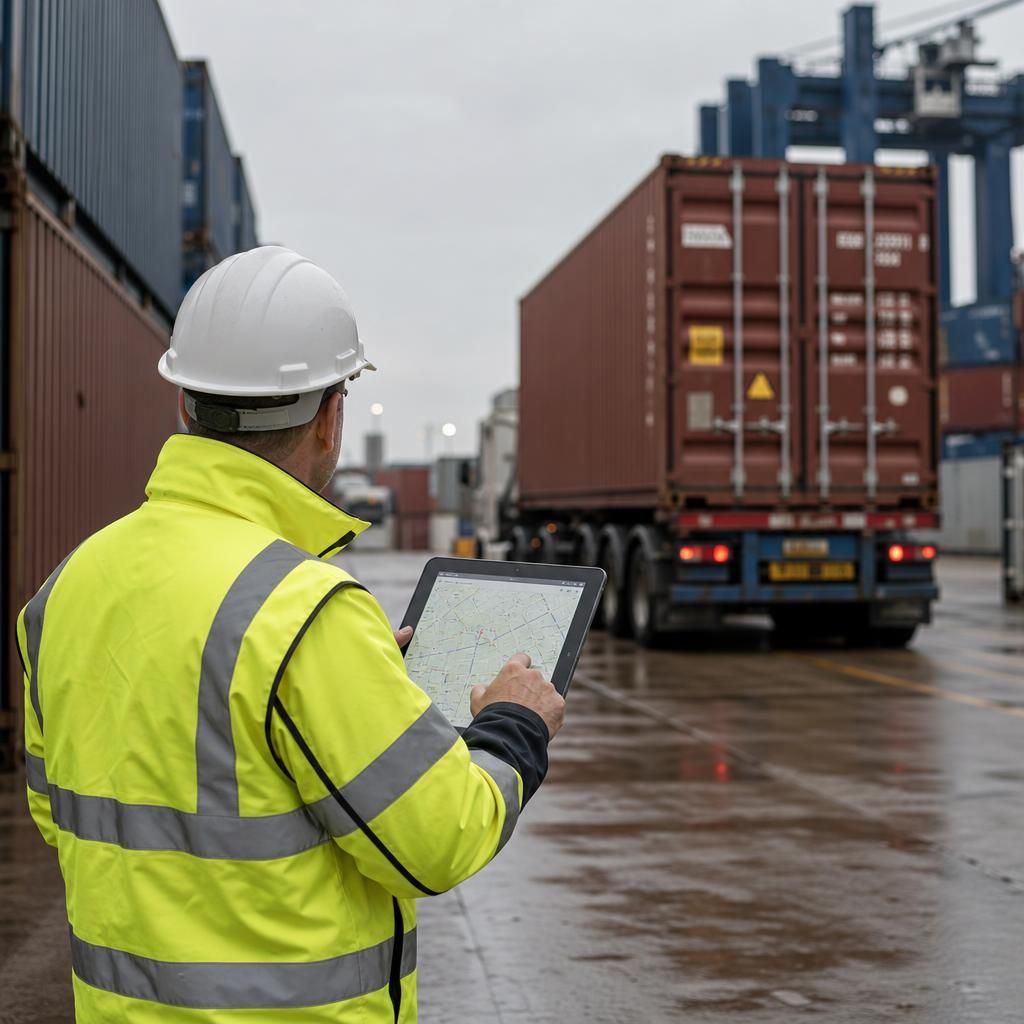
Seamless GPS Cargo Integration
Integrate GPS tracking into your logistics framework to precisely monitor cargo movements. With real-time updates, businesses gain increased visibility and control over their supply chain operations, ensuring shipments are tracked 24/7.
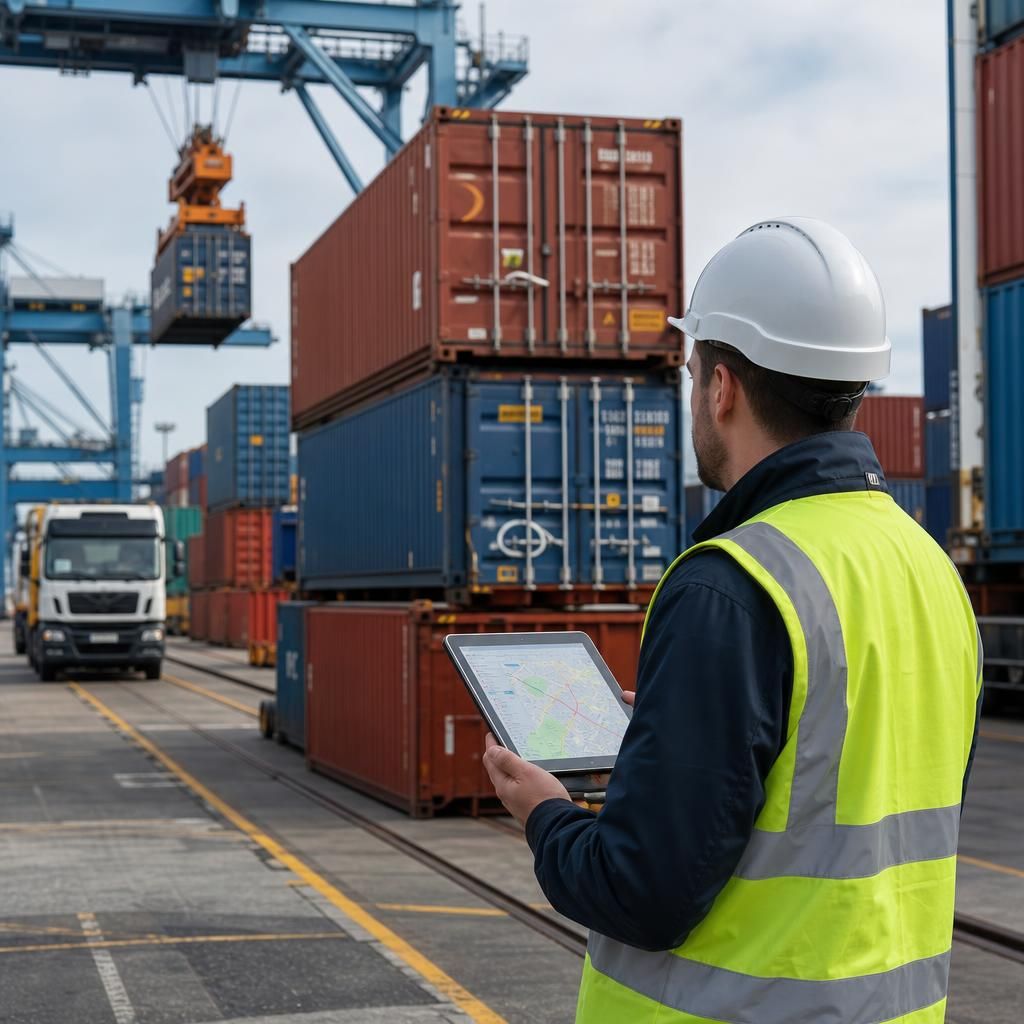
Telematics: The Heart of Efficient Logistics
Leverage telematics solutions to access vital data about your cargo's journey. This technology enhances decision-making by providing detailed insights into routes, delivery times, and potential disruptions, optimising fleet management.
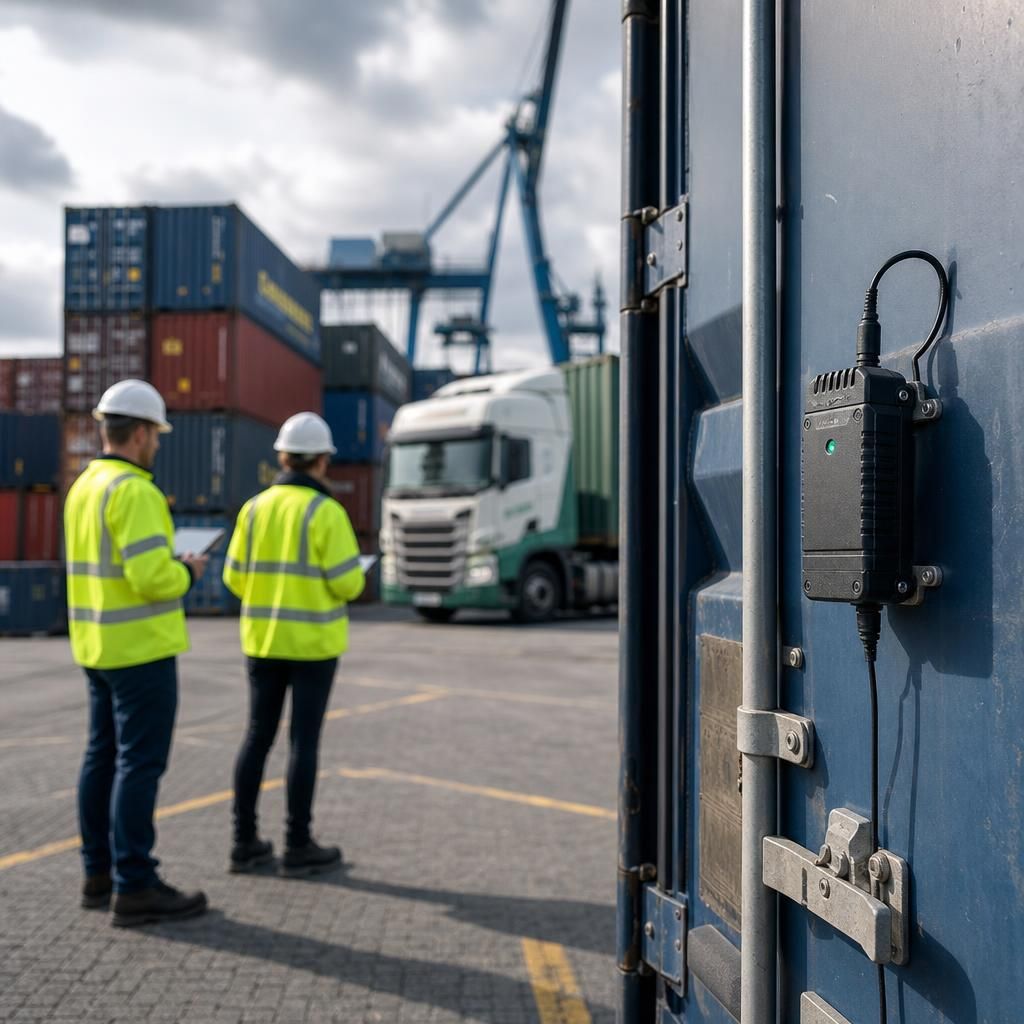
Enhanced Security Measures
Implement secure loading procedures augmented by GPS technology to prevent theft and loss. Real-time alerts and location tracking ensure that assets remain secure throughout the transportation process, safeguarding business interests.
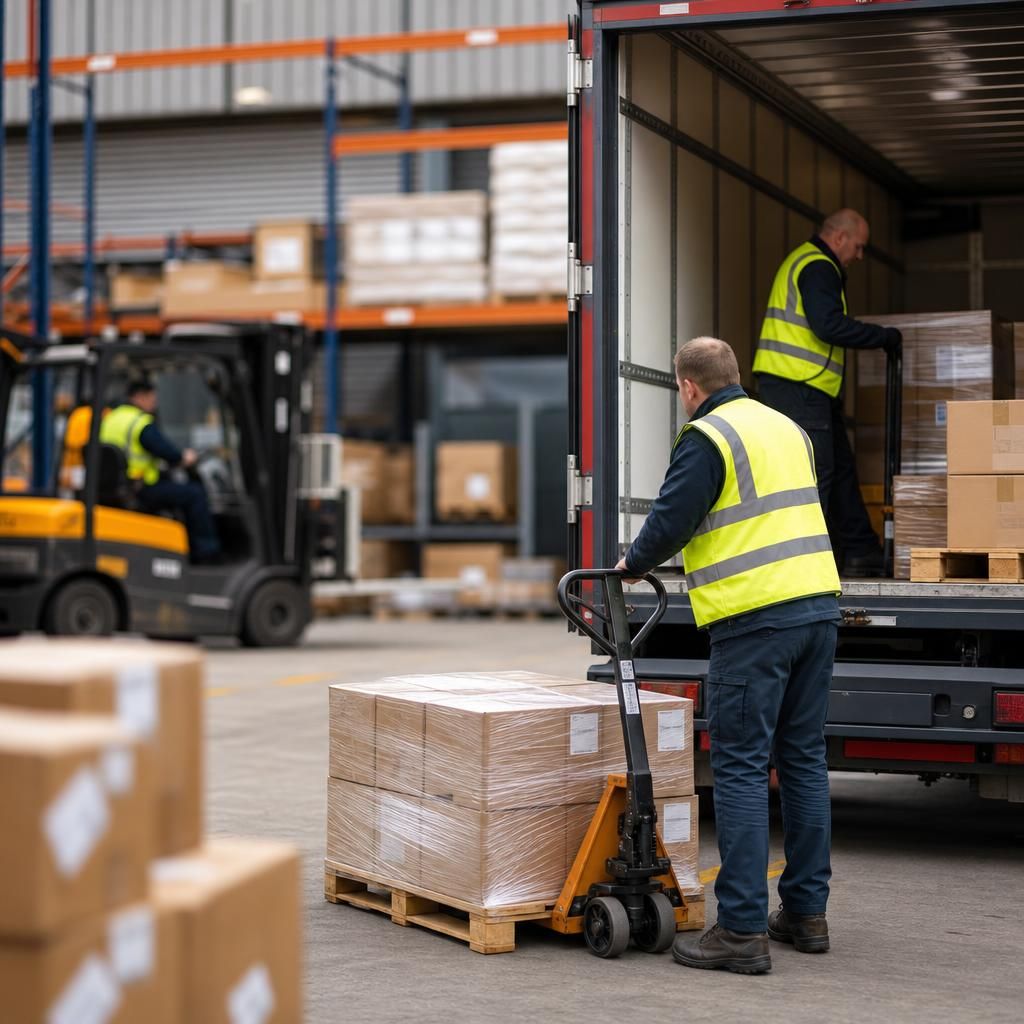
Optimised Fleet Coordination
Achieve synergy in your logistics operations with integrated fleet management tools. Monitor vehicle locations, driver performance, and cargo conditions from a singular platform to enhance overall operational efficiency.
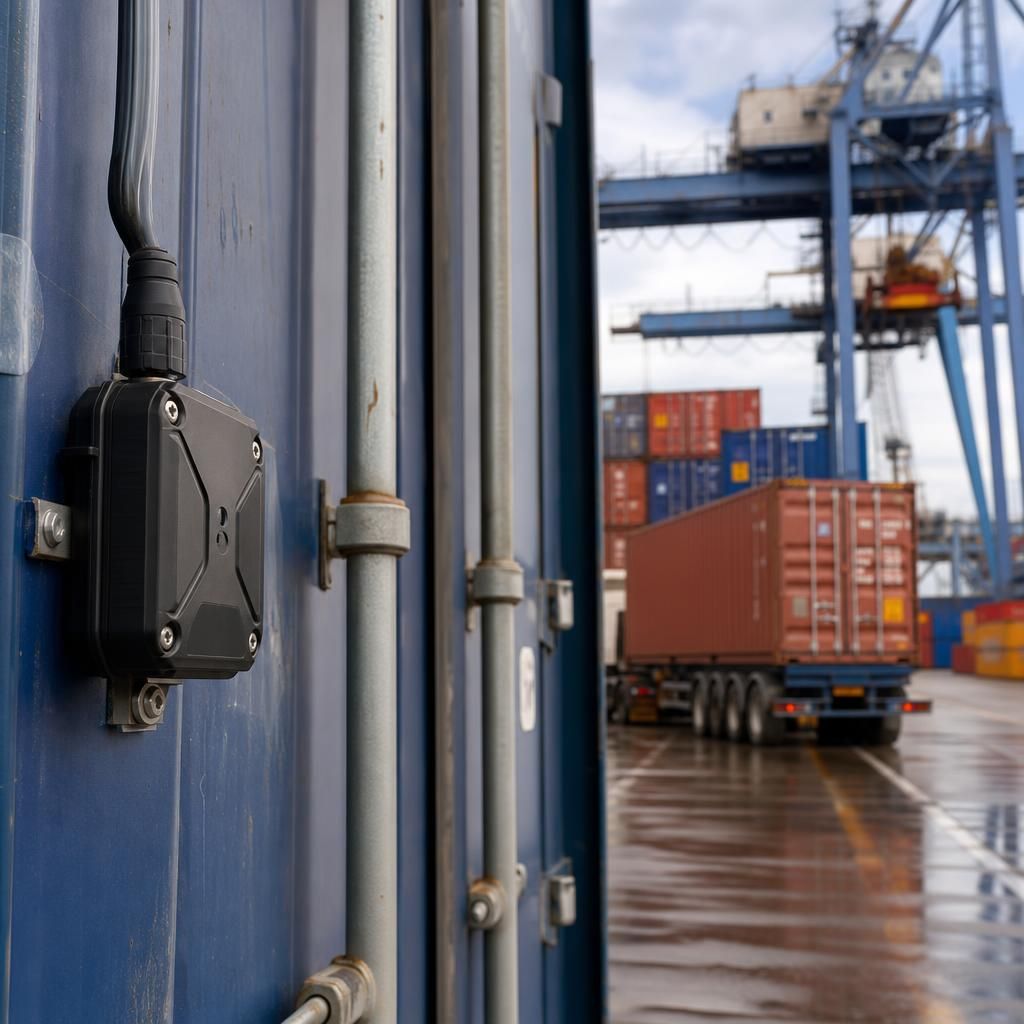
Timely Notifications and Alerts
Stay informed with instant notifications regarding the status of your cargo. These timely updates enable proactive management of schedules and reduce uncertainty around delivery timelines, enhancing service reliability.
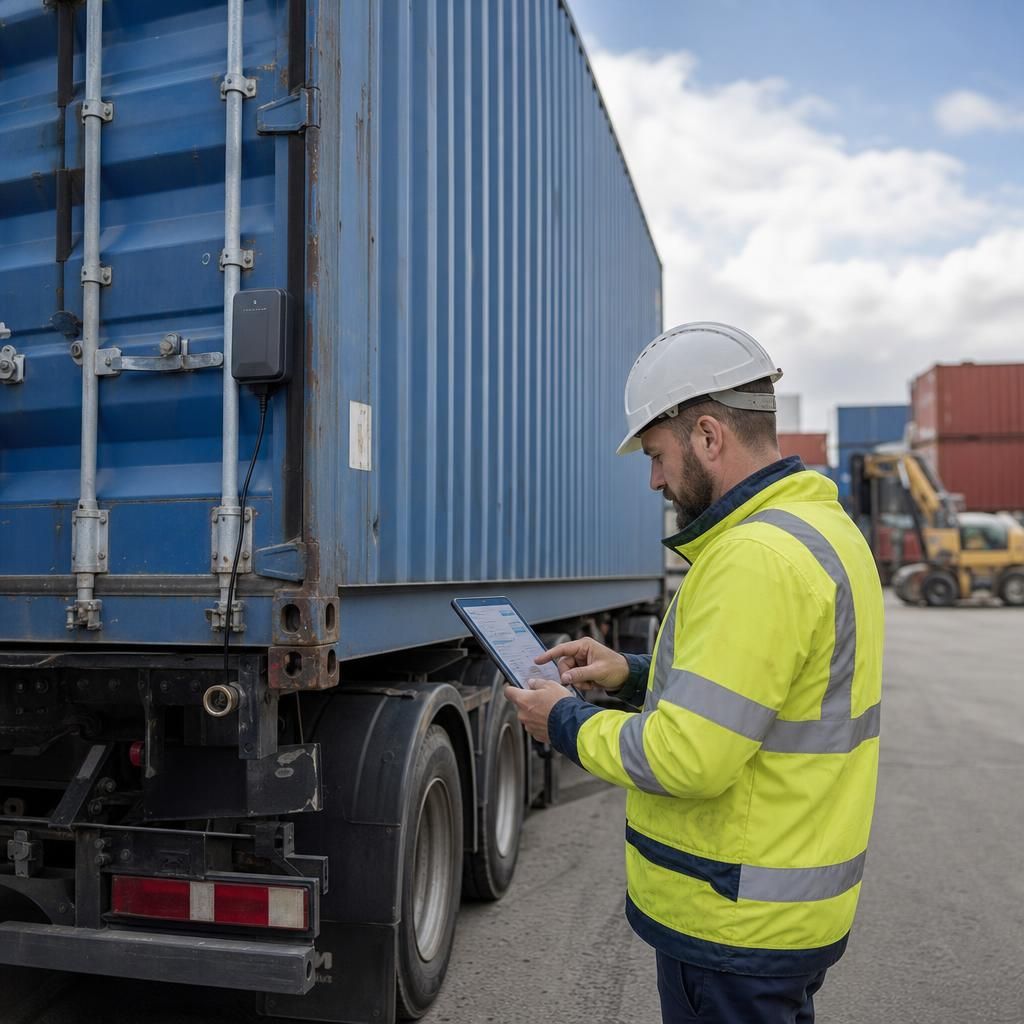
Centralised Command Centres
Utilise centralised command centres to oversee and coordinate large-scale logistics operations. Real-time data feeds from GPS and telematics systems allow for efficient oversight and rapid response capabilities.
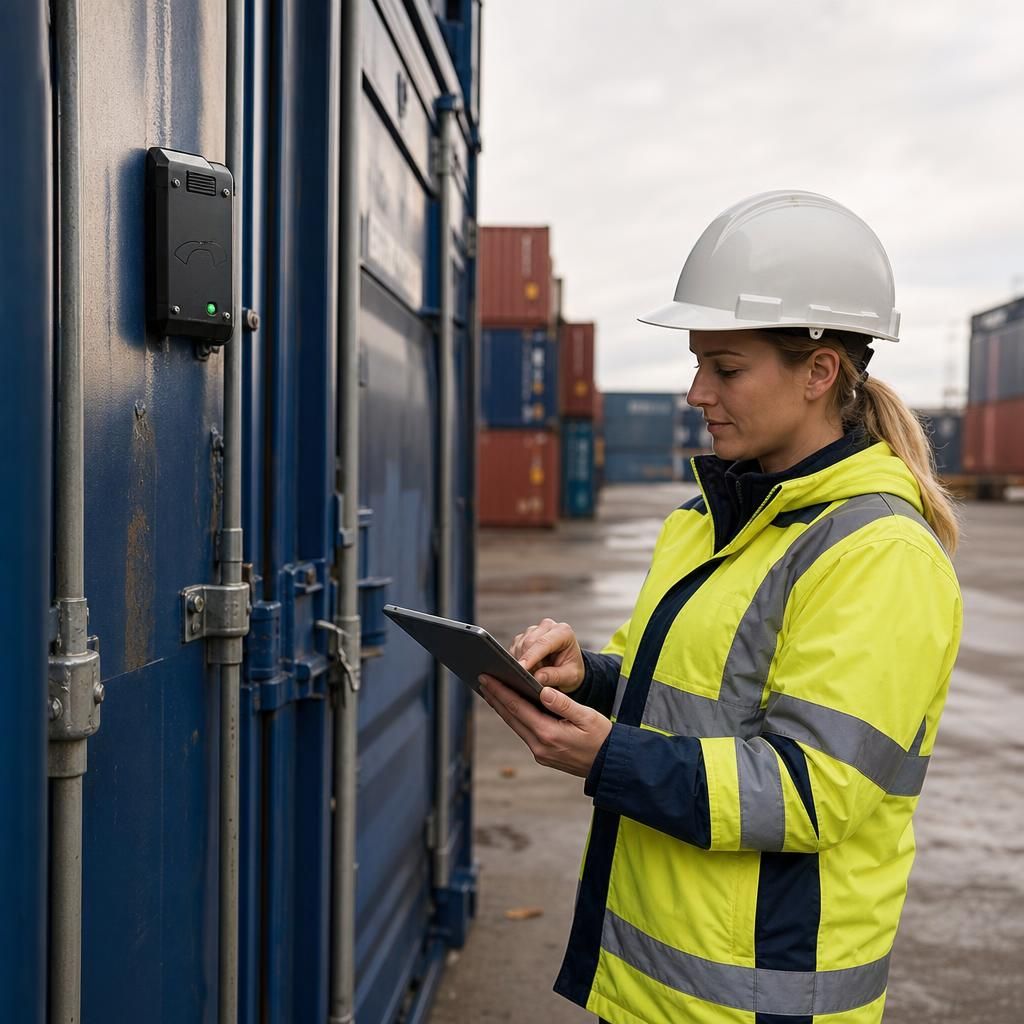
Streamlined Inventory Management
Integrate inventory management with track and trace technologies to maintain precise stock levels and streamline the logistics pipeline. This integration aids in demand forecasting and reduces holding costs.
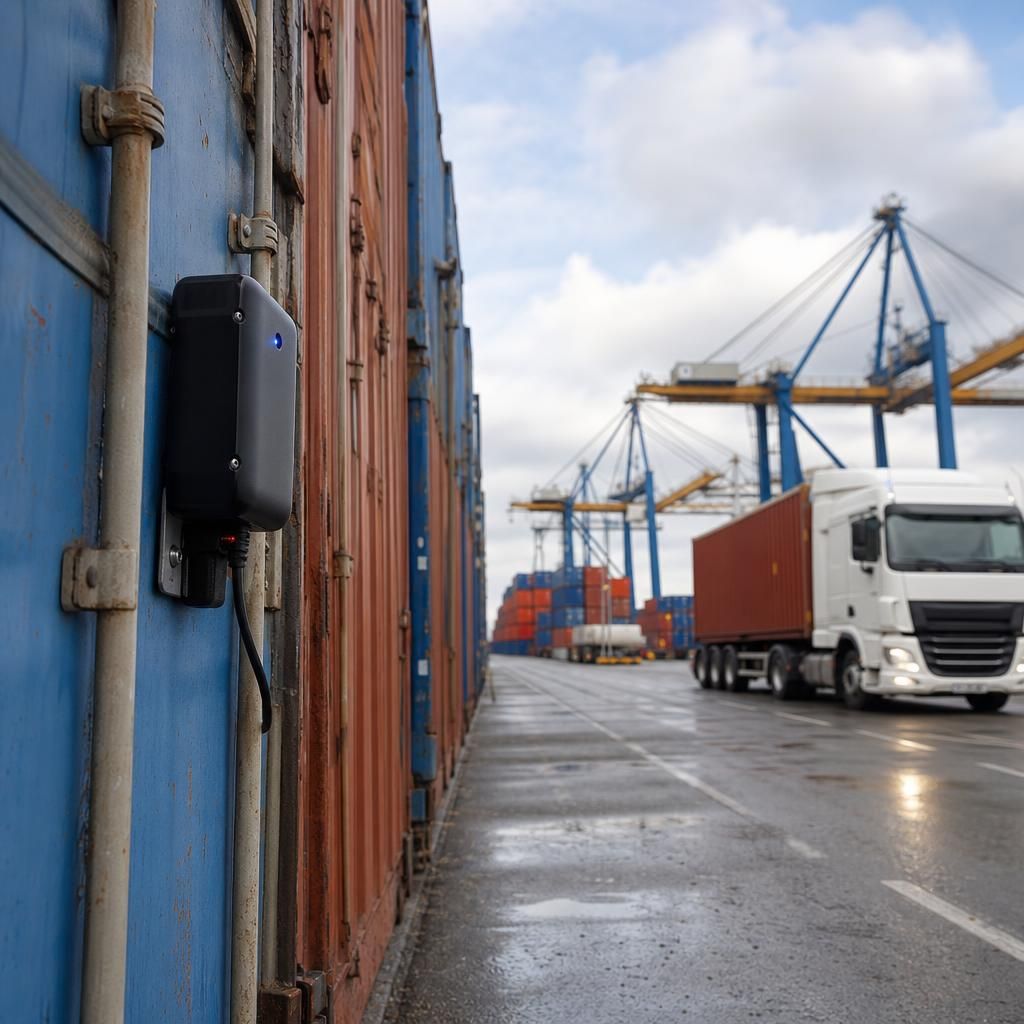
Data-Driven Route Planning
Enhance route efficiency using data-driven insights from your GPS tracking system. Optimised routing reduces fuel consumption and delivery times, thereby cutting operational costs and increasing productivity.
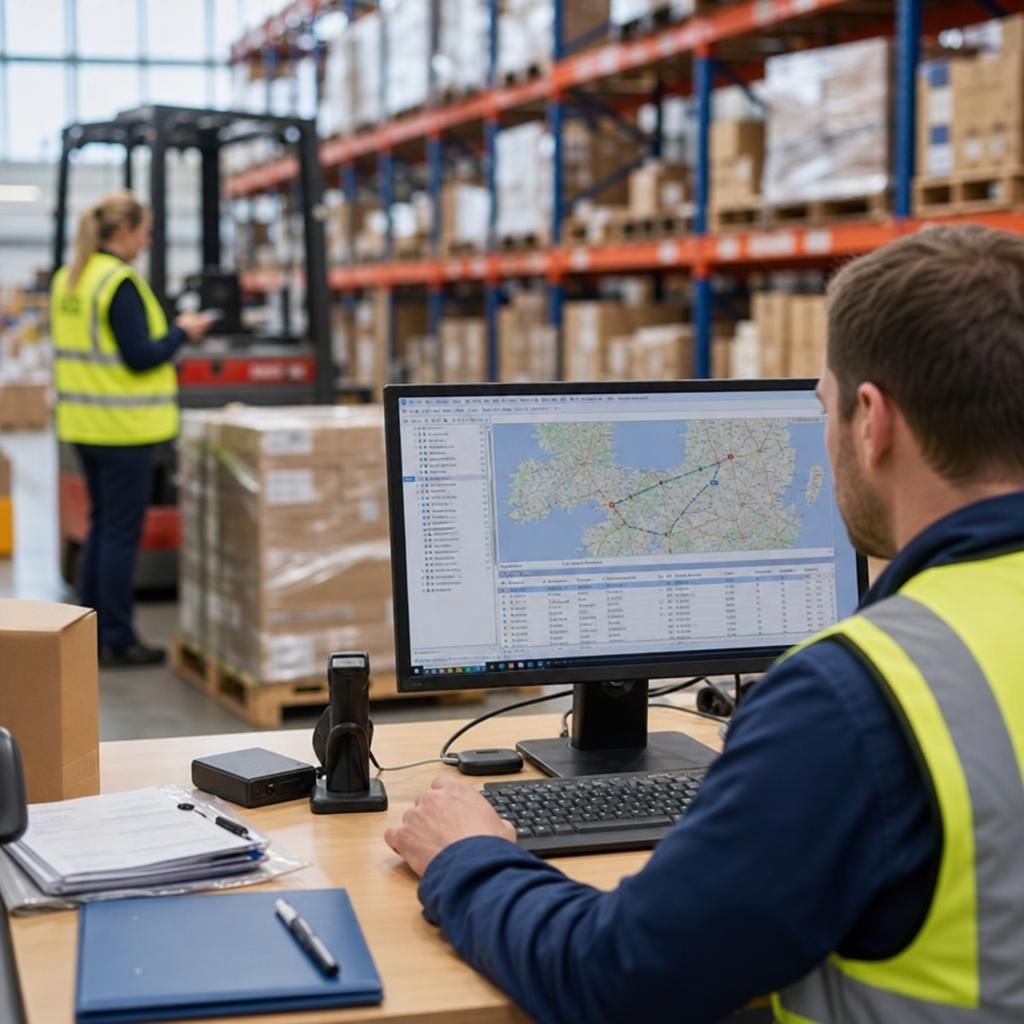
Reliable and Predictable Transit
Guarantee reliable transit for your goods by employing robust tracking solutions. With predictable delivery windows, businesses can improve customer satisfaction and uphold service commitments.
Key Considerations for Investing in Logistics Track & Trace Systems
Track and trace systems in logistics cargo provide a systematic approach to monitoring goods as they move through the supply chain. Utilising GPS technologies and telematics, these systems offer real-time updates on the status and location of cargo, facilitating effective logistics management. Businesses implementing such solutions can enhance visibility across distribution networks, ensuring timely deliveries and safeguarding valuable assets. For those involved in logistics and warehouse management, these systems are vital, helping to streamline operations and mitigate risks associated with delays or losses.
Key considerations when investing in logistics track and trace systems include technology compatibility, scalability, and integration capabilities with existing logistics infrastructure. Companies must evaluate these systems based on their ability to deliver accurate, real-time data and their ease of use. Additionally, understanding the specific needs of the logistics operation, such as the type of cargo, transportation modes, and regulatory compliance, is crucial. These factors will help businesses choose a solution that aligns with their operational goals, optimising supply chain management and boosting overall efficiency.
Technology Compatibility and Integration
When selecting a track and trace system, it’s crucial to consider the compatibility of technology with your existing logistics infrastructure. A system that integrates seamlessly can enhance efficiency and reduce implementation challenges.
Ensuring Seamless Integration of Tracking Solutions
For smooth integration, evaluate the track and trace system’s ability to work with current software and hardware setups. Consider platforms that offer API capabilities for easy connection to existing data systems, such as warehouse management systems. This ensures that all logistical data can be centralised and accessed from one interface. Look for solutions that can adapt to future technological upgrades to maintain efficiency as your operations evolve.
Scalability of Track and Trace Systems
Scalability is essential for businesses expecting growth in their logistics operations. A scalable track and trace solution must adapt to increasing volumes of cargo and expand without compromising performance.
Adapting to Growth in Logistics Operations
Frequently Asked Questions about Logistics Cargo Track & Trace Systems
How does a logistics track and trace system improve supply chain efficiency?
Track and trace systems utilise GPS and telematics to provide real-time cargo tracking, enhancing logistics efficiency by ensuring timely deliveries and accurate location monitoring throughout the supply chain.
What are the key features to consider when selecting a track and trace system for logistics?
Track and trace systems should feature real-time data provision, GPS accuracy, telematics integration, scalability, ease of use, and compatibility with existing infrastructure for efficient logistics management.
How do track and trace systems enhance cargo security in logistics?
Track and trace systems enhance cargo security by providing real-time monitoring of goods, ensuring immediate detection of anomalies or unauthorised access, thereby preventing theft and loss during transit.
What role does real-time data play in logistics tracking and management systems?
Real-time data in logistics systems enables precise tracking of cargo, ensuring timely decision-making and efficient operations. It facilitates proactive management, reduces risks, and enhances overall supply chain visibility and performance.
What are the integration challenges of implementing track and trace systems in existing logistics operations?
Integration challenges include ensuring compatibility with existing IT systems, handling data consistency between platforms, and managing potential disruptions during implementation. Effective planning and collaboration with IT teams can mitigate these challenges.
Key Considerations for Implementing Cargo Tracking Systems
Implementing effective track and trace systems for cargo is essential for optimising logistics and supply chain management. These systems leverage GPS and telematics to offer precise, real-time tracking for goods in transit, enhancing operational efficiency and asset security.
Real-time Data Analytics
Implementing cargo tracking systems involves utilising real-time data analytics to optimise supply chain operations. By continually monitoring cargo in transit, companies can make informed decisions that improve efficiency and reduce delays.
Enhanced Security Measures
Advanced GPS tracking systems include security features designed to protect valuable assets. These measures reduce the risk of theft and loss, ensuring peace of mind for businesses relying on safe cargo transport.
Technology Integration
Successful track and trace implementations require seamless integration with existing logistics platforms. Assessing compatibility with current systems ensures smooth adoption and maximises the benefit of tracking technologies.
Scalability Options
As businesses grow, logistics needs evolve. Scalable tracking solutions provide the flexibility required to adapt to increasing demands, maintaining operational efficiency across expanding distribution networks.
Data Security Compliance
Compliance with data protection regulations is crucial for companies utilising tracking technologies. Ensuring systems adhere to legal standards protects sensitive information and maintains customer trust.
Periodic Reporting
Regularly reviewing tracking data through scheduled reporting helps identify trends and areas for improvement, driving continual advancement in logistics operations.
Innovation and Future-Proofing
Staying ahead with innovative tracking solutions ensures businesses can anticipate future challenges in logistics management. Investing in cutting-edge technologies today prepares companies for tomorrow's demands.
Proven Results
Implementing track and trace systems boosts logistics efficiency, with real-time cargo visibility reducing delays and enhancing supply chain management.
Key Questions for Evaluating Track & Trace Systems
How do the data integration capabilities of this track and trace system align with existing logistics software?
Effective track and trace systems must integrate seamlessly with existing logistics platforms, providing real-time cargo updates for better decision-making and operational control.
What measures are in place to ensure the security and reliability of the track and trace data?
Data security in track and trace systems involves robust encryption, secure data transmission protocols, and compliance with privacy regulations, ensuring that sensitive cargo information remains protected and reliable throughout the logistics process.
How does the system handle customs documentation and regulatory compliance for international shipments?
The system automates customs and regulatory compliance processes, ensuring accurate documentation and timely submission to relevant authorities, thus expediting cross-border transport and preventing costly shipment delays.
What kind of support and training does the provider offer to ensure successful implementation and use of the track and trace system?
Comprehensive support and training ensure users can efficiently implement and operate the system, maximising its benefits. Providers typically offer tutorials, helplines, and on-site assistance to address specific operational challenges.
What are the data analytics and reporting capabilities offered by the track and trace system?
The track and trace system offers comprehensive data analytics and reporting features, enabling businesses to generate insights into cargo movement patterns, identify trends, and improve decision-making processes for enhanced operational efficiency.